'%3E%3Cpath d='M16.3574 35.6519H12.9537L15.0491 18.8873L16.3574 35.6519ZM30.4229 54.0093L22.309 0.994385H7.91795L0 54.0093H10.6634L11.5802 46.3855H17.4014L17.9914 54.0093H30.4229Z' fill='%23971B20'/%3E%3Cpath d='M48.2073 41.8813C48.2073 43.4049 47.4892 44.0011 46.1144 44.0011H43.7595V11.0687H46.1144C47.4892 11.0687 48.2073 11.6636 48.2073 13.1885V41.8813ZM59.5273 43.6695V11.3326C59.5273 3.71323 53.5729 0.994385 47.8157 0.994385H31.7213V54.0093H47.8157C53.5729 54.0093 59.5273 51.29 59.5273 43.6695Z' fill='%23971B20'/%3E%3Cpath d='M90.183 0.994385H78.6039L75.0711 30.6157L71.9955 0.994385H59.4346L69.2474 54.0093H80.373L90.183 0.994385Z' fill='%23971B20'/%3E%3Cpath d='M107.063 42.3448C107.063 43.7359 105.951 44.5974 104.643 44.5974C103.269 44.5974 102.157 43.7359 102.157 42.3448V12.658C102.157 11.2676 103.269 10.4058 104.643 10.4058C105.951 10.4058 107.063 11.2676 107.063 12.658V42.3448ZM119.233 43.2723V11.7312C119.233 6.36384 112.952 -3.8147e-06 104.643 -3.8147e-06C96.2667 -3.8147e-06 89.9867 6.36384 89.9867 11.7312V43.2723C89.9867 48.6393 96.2667 55 104.643 55C112.952 55 119.233 48.6393 119.233 43.2723Z' fill='%23971B20'/%3E%3Cpath d='M150.976 43.9349V33.7309H139.069V42.3448C139.069 43.7359 137.957 44.5974 136.582 44.5974C135.076 44.5974 133.964 43.7359 133.964 42.3448V12.658C133.964 11.2676 135.076 10.4058 136.582 10.4058C137.957 10.4058 139.069 11.2676 139.069 12.658V21.2723H150.976V11.0687C150.976 5.70107 145.283 -3.8147e-06 136.582 -3.8147e-06C127.75 -3.8147e-06 121.796 5.70107 121.796 11.0687V43.9349C121.796 49.3022 127.75 55 136.582 55C145.283 55 150.976 49.3022 150.976 43.9349Z' fill='%23971B20'/%3E%3Cpath d='M167.478 35.6519H164.076L166.17 18.8873L167.478 35.6519ZM181.544 54.0093L173.432 0.994385H159.037L151.123 54.0093H161.785L162.704 46.3855H168.523L169.114 54.0093H181.544Z' fill='%23971B20'/%3E%3Cpath d='M205.412 10.4058V0.994385H177.081V10.4058H185.392V54.0093H197.428V10.4058H205.412Z' fill='%23971B20'/%3E%3Cpath d='M230.002 54.0093V43.9349H218.914V31.8746H226.635V21.8028H218.914V10.4058H230.002V0.994385H206.875V54.0093H230.002Z' fill='%23971B20'/%3E%3C/g%3E%3Cdefs%3E%3CclipPath id='clip0_260_7080'%3E%3Crect width='230' height='55' fill='white'/%3E%3C/clipPath%3E%3C/defs%3E%3C/svg%3E)

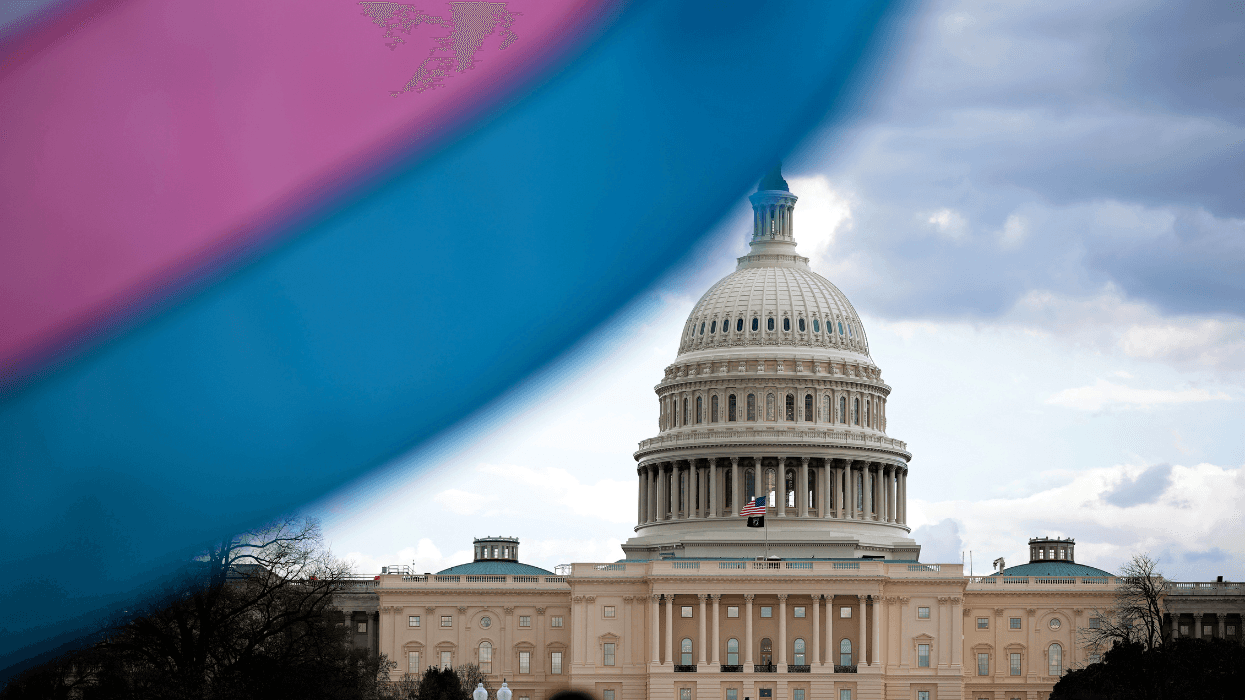
Three former CIA officers are warning that President Donald Trump’s campaign against diversity initiatives and transgender federal employees threatens to recreate one of the darkest periods in the history of the nation’s intelligence agencies.
In a historical account published Thursday by Lawfare, Trace Ballard, Julia Curlee, and Todd Johannessen trace the CIA’s transformation from an agency that hunted and expelled gay employees to one that openly recruited LGBTQ+ officers and then began dismantling that infrastructure after Trump returned to office.
The authors bring roughly eight decades of CIA experience to the account. Ballard retired after 35 years and founded the Agency Network of Gay, Lesbian, Bisexual, and Transgender Officers and Allies, known as ANGLE. Johannessen spent 26 years at the agency and was an early ANGLE leader. Curlee became the first CIA officer to transition openly and continue serving, later briefing Vice President Mike Pence and serving as a National Security Council director.
Their history begins with Carmel Offie, a gay intelligence officer who helped move German scientists and diplomats out of the Soviet occupation zone near the end of World War II. Within several years, he became the first CIA employee known to have been fired solely because of his sexual orientation.
Offie was an early casualty of the Lavender Scare, the federal government’s systematic campaign to identify and remove gay and lesbian employees as supposed security risks. Beginning in the late 1940s, thousands lost their jobs or were forced to resign, according to the National Archives.
The CIA incorporated questions about homosexuality into its polygraph examinations. In 1953, President Dwight D. Eisenhower issued an executive order listing “sexual perversion” as grounds for denying federal employment or a security clearance. The logic was circular: Government-enforced secrecy made gay employees vulnerable to exposure, and that vulnerability was then used to justify excluding them, the Lawfare report explains.
Progress arrived slowly. President Bill Clinton barred the denial of security clearances based solely on sexual orientation in 1995 and expanded federal employment protections in 1998. Ballard and other officers founded ANGLE in 1996, despite warnings that the group could damage their careers, they wrote.
By the 2010s, the CIA was publicly celebrating LGBTQ+ officers, the authors write. It produced a documentary about ANGLE, recruited at LGBTQ+ events, and later recognized Ballard as a CIA “Trailblazer.” In 2013, Curlee transitioned with the agency’s support.
However, that institutional embrace proved reversible.
Trump’s January 2025 order abolishing federal diversity, equity, inclusion, and accessibility programs led the CIA to disband its employee resource groups, including ANGLE. An agency spokesperson confirmed at the time that the groups had been dissolved and that the CIA was complying with the order. The authors also report that the agency ended Pride Month celebrations, removed LGBTQ+ materials, and restricted the use of pronouns in email signatures.
Related: Meet an Officer Who Transitioned at the CIA
A separate Trump order requires federal agencies to treat sex as an immutable male-female classification. For transgender CIA officers, the authors write, its effects extend beyond workplace indignity. Restrictions on bathrooms and identity documents can create operational problems, particularly when an officer’s passport does not match their appearance or when safe facilities are unavailable overseas.
The account also revisits then-Director of National Intelligence Tulsi Gabbard’s February 2025 announcement that more than 100 intelligence workers would lose their jobs and security clearances after a conservative activist publicized messages from two LGBTQ+ employee chat groups. The authors say three of those targeted worked at the CIA.
The Trump administration also attempted to fire intelligence officers who had been assigned to diversity programs. That effort remains tied up in court. In July, a divided federal appeals court upheld an injunction protecting 19 CIA and Office of the Director of National Intelligence employees, ruling that the agencies must follow their own procedures governing reassignment and appeals. Fifty-eight affected employees remained on paid administrative leave.
Ballard, Curlee, and Johannessen say transgender officers face the gravest immediate danger. They argue that identifying workers connected to disfavored groups, eliminating the structures that protected them, and treating their identities as security concerns echoes the machinery of the original Lavender Scare.
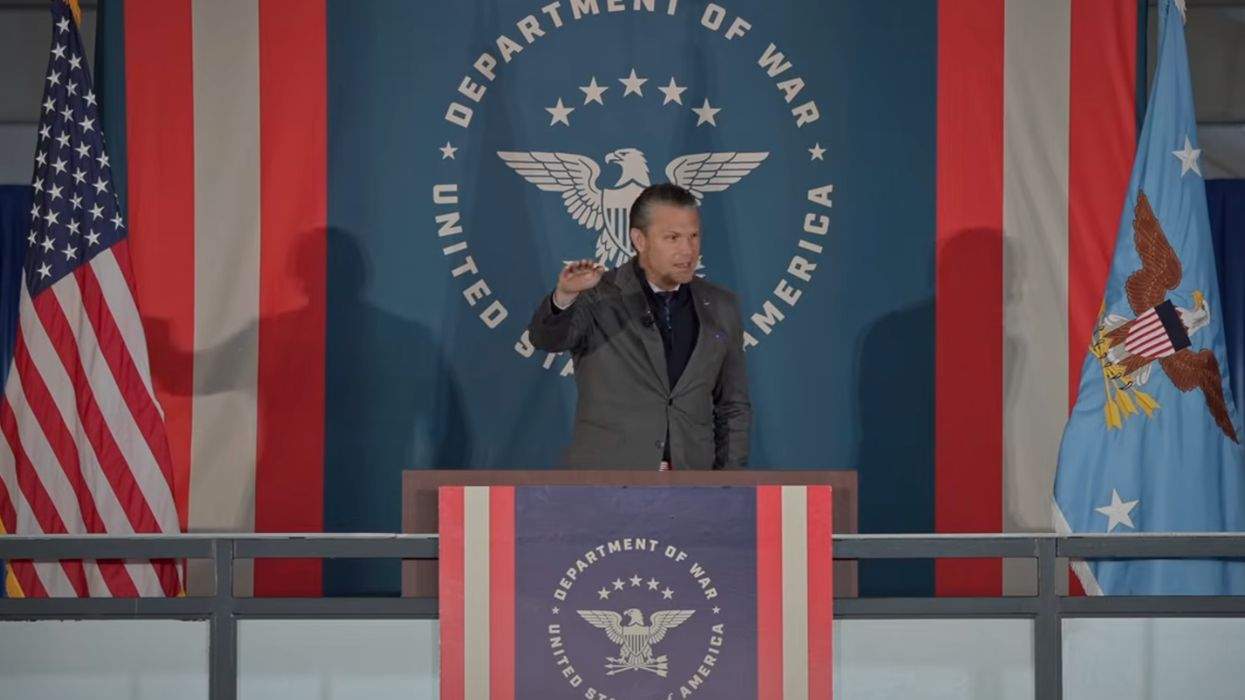
Related: This week, Pete Hegseth and Kash Patel started the frightening return of the Lavender Scare
The warning is not confined to the CIA. Former FBI special agent trainee David Maltinsky, a gay 16-year bureau veteran, told The Advocate that a new Lavender Scare was spreading “like wildfire” after FBI Director Kash Patel fired him three weeks before his academy graduation. Patel cited Maltinsky’s display of a Progress Pride flag at his former Los Angeles workstation as evidence of “poor judgment,” even though the FBI had previously flown the flag and given it to Maltinsky in recognition of his work supporting LGBTQ+ employees. Maltinsky said colleagues immediately began removing Pride flags and other personal items from their desks. He is suing the government, alleging discrimination and retaliation.
Curlee reached a similarly bleak conclusion after leaving the agency this year. Once an enthusiastic recruiter, she recently said she could no longer “in good conscience advise any LGBT American to apply to work at CIA.”
The question now, the authors write, is whether the agency will remember that inclusion is not simply symbolic but “a practical imperative for an organization that depends on the full contributions of every officer.”