'%3E%3Cpath d='M16.3574 35.6519H12.9537L15.0491 18.8873L16.3574 35.6519ZM30.4229 54.0093L22.309 0.994385H7.91795L0 54.0093H10.6634L11.5802 46.3855H17.4014L17.9914 54.0093H30.4229Z' fill='%23971B20'/%3E%3Cpath d='M48.2073 41.8813C48.2073 43.4049 47.4892 44.0011 46.1144 44.0011H43.7595V11.0687H46.1144C47.4892 11.0687 48.2073 11.6636 48.2073 13.1885V41.8813ZM59.5273 43.6695V11.3326C59.5273 3.71323 53.5729 0.994385 47.8157 0.994385H31.7213V54.0093H47.8157C53.5729 54.0093 59.5273 51.29 59.5273 43.6695Z' fill='%23971B20'/%3E%3Cpath d='M90.183 0.994385H78.6039L75.0711 30.6157L71.9955 0.994385H59.4346L69.2474 54.0093H80.373L90.183 0.994385Z' fill='%23971B20'/%3E%3Cpath d='M107.063 42.3448C107.063 43.7359 105.951 44.5974 104.643 44.5974C103.269 44.5974 102.157 43.7359 102.157 42.3448V12.658C102.157 11.2676 103.269 10.4058 104.643 10.4058C105.951 10.4058 107.063 11.2676 107.063 12.658V42.3448ZM119.233 43.2723V11.7312C119.233 6.36384 112.952 -3.8147e-06 104.643 -3.8147e-06C96.2667 -3.8147e-06 89.9867 6.36384 89.9867 11.7312V43.2723C89.9867 48.6393 96.2667 55 104.643 55C112.952 55 119.233 48.6393 119.233 43.2723Z' fill='%23971B20'/%3E%3Cpath d='M150.976 43.9349V33.7309H139.069V42.3448C139.069 43.7359 137.957 44.5974 136.582 44.5974C135.076 44.5974 133.964 43.7359 133.964 42.3448V12.658C133.964 11.2676 135.076 10.4058 136.582 10.4058C137.957 10.4058 139.069 11.2676 139.069 12.658V21.2723H150.976V11.0687C150.976 5.70107 145.283 -3.8147e-06 136.582 -3.8147e-06C127.75 -3.8147e-06 121.796 5.70107 121.796 11.0687V43.9349C121.796 49.3022 127.75 55 136.582 55C145.283 55 150.976 49.3022 150.976 43.9349Z' fill='%23971B20'/%3E%3Cpath d='M167.478 35.6519H164.076L166.17 18.8873L167.478 35.6519ZM181.544 54.0093L173.432 0.994385H159.037L151.123 54.0093H161.785L162.704 46.3855H168.523L169.114 54.0093H181.544Z' fill='%23971B20'/%3E%3Cpath d='M205.412 10.4058V0.994385H177.081V10.4058H185.392V54.0093H197.428V10.4058H205.412Z' fill='%23971B20'/%3E%3Cpath d='M230.002 54.0093V43.9349H218.914V31.8746H226.635V21.8028H218.914V10.4058H230.002V0.994385H206.875V54.0093H230.002Z' fill='%23971B20'/%3E%3C/g%3E%3Cdefs%3E%3CclipPath id='clip0_260_7080'%3E%3Crect width='230' height='55' fill='white'/%3E%3C/clipPath%3E%3C/defs%3E%3C/svg%3E)
Senate Republicans have unveiled a comprehensive amendment package to the SAVE America Act that combines new federal voting restrictions with policies targeting transgender people. It comes after President Donald Trump has insisted that the provisions be added and the bill passed.
Keep up with the latest in LGBTQ+ news and politics. Sign up for The Advocate's email newsletter.
Offered as a substitute amendment, the proposal, obtained by Punchbowl News on Tuesday evening, reorganizes the legislation into three sections: elections, sports, and what it calls protections for children.
The election provisions would require Americans to present documentary proof of U.S. citizenship in order to register to vote in federal elections, a change to current law. Voting by noncitizens is already illegal under federal law, and documented cases are rare. The proposal would also require photo identification to vote and limit mail voting, requiring most ballots to be cast in person and restricting absentee voting to specific circumstances such as illness, disability, or verified travel.
Related: Trump’s anti-trans SAVE Act saves no one and threatens everyone
Related: How the Republicans’ SAVE America Act will disenfranchise married & LGBTQ+ Americans
The amendment would also direct states to compare voter rolls with federal immigration databases and remove people identified as noncitizens, while requiring federal agencies to share data to support those checks.
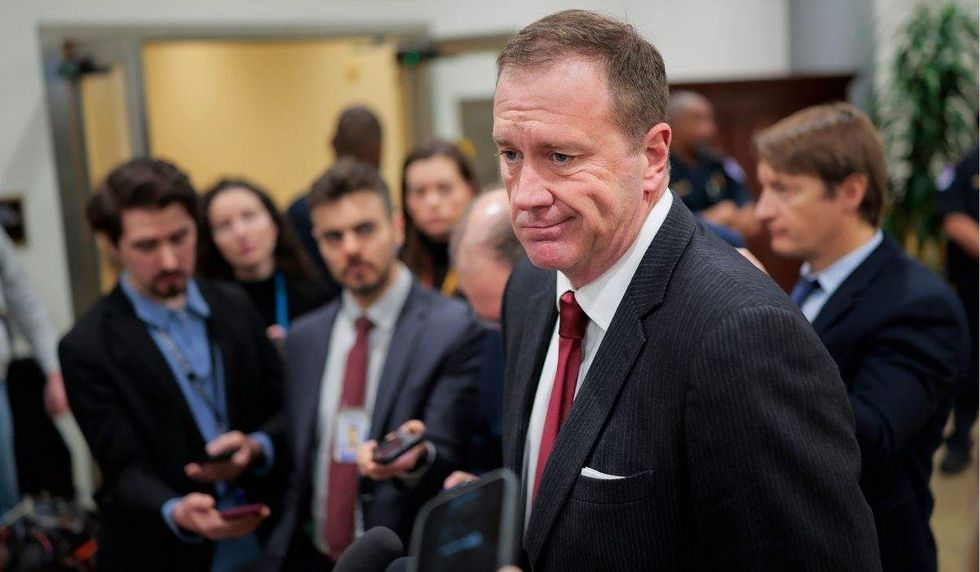 Sen. Eric Schmitt (R-MO) speaks with reporters after a closed briefing in the U.S. Capitol Building on December 17, 2025, in Washington, DC. Heather Diehl/Getty Images
Other sections of the package include unrelated culture war issues that focus on transgender people. One provision would bar transgender women and girls from participating in school sports aligned with their gender identity, stating that it would be a violation of federal law to allow “a person whose sex is male to participate in an athletic program or activity that is designated for women or girls,” and defining sex “based solely on a person’s reproductive biology and genetics at birth.”
Another section would create federal criminal penalties for gender-affirming care, or what the bill falsely describes as “genital and bodily mutilation of a minor” and “chemical castration of a minor.”
LGBTQ+ advocates sharply criticized the proposal.
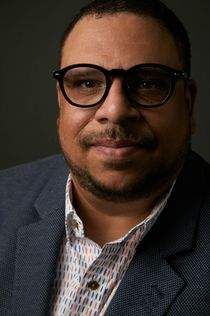
“It’s no surprise that Trump and his MAGA enablers in Congress are combining voting restrictions with attacks on the transgender community in this Frankenstein of a bill,” David Stacy, vice president of government affairs at the Human Rights Campaign, said in a statement to The Advocate. “They are part of the same autocratic mission to suppress the vote, throw folks back in the closet, and undermine the will of the people.”
Stacy added that the amendment draws from earlier Republican legislation targeting gender-affirming care.
“If that wasn’t enough, the amendment copies and pastes language from a Marjorie Taylor Greene bill that would throw doctors in jail and even risk putting parents in handcuffs, simply for providing best practice care to their children,” he said. “This bill is a sad and dangerous attempt to cover up for the fact that Trump and Congressional Republicans have no plans to tackle rising costs or any of the priorities of the American people.”
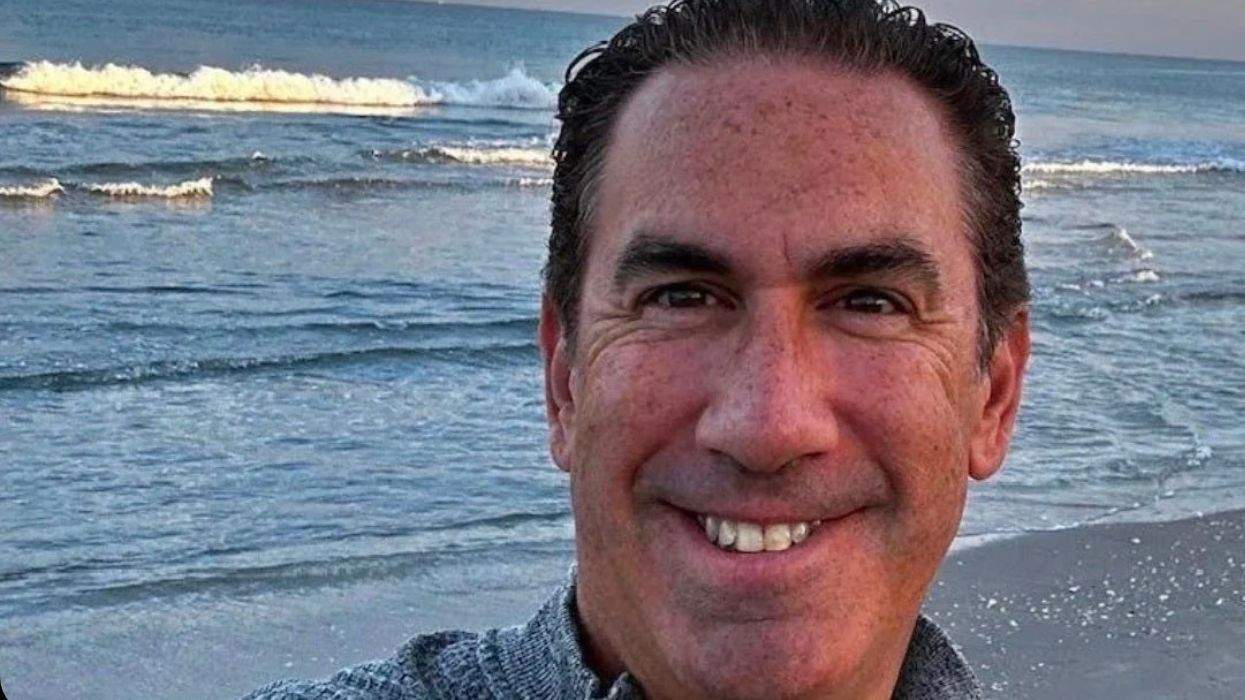
Missouri Republican Sen. Eric Schmitt said he “worked closely” with the president “to introduce a substitute amendment that will save our elections, save women’s sports, and save our children from gender mutilation surgeries. It’s time to get this done.”
Related: How the SAVE Act would make it harder for trans people, married women, and some men to vote
The amendment comes as Senate Republicans move forward with debate on the SAVE Act despite lacking the votes needed to pass it. Senate Majority Leader John Thune has acknowledged the bill is unlikely to reach the 60 votes required to overcome a filibuster, but has continued with floor consideration.
Voting rights groups have warned that proof-of-citizenship requirements could make it harder for some eligible voters to register, particularly those whose documents do not match their current legal names, like married people, especially women, and transgender Americans. The amendment includes a process for name discrepancies but requires additional documentation or affidavits.
The legislation faces an uncertain path in the Senate. The House already passed a version of the bill that did not include the anti-trans provisions, and it would have to return to the House if the Senate passes it before Trump could sign the legislation into law. He has vowed not to sign any other bills into law until the measure receives a vote and passes.