'%3E%3Cpath d='M16.3574 35.6519H12.9537L15.0491 18.8873L16.3574 35.6519ZM30.4229 54.0093L22.309 0.994385H7.91795L0 54.0093H10.6634L11.5802 46.3855H17.4014L17.9914 54.0093H30.4229Z' fill='%23971B20'/%3E%3Cpath d='M48.2073 41.8813C48.2073 43.4049 47.4892 44.0011 46.1144 44.0011H43.7595V11.0687H46.1144C47.4892 11.0687 48.2073 11.6636 48.2073 13.1885V41.8813ZM59.5273 43.6695V11.3326C59.5273 3.71323 53.5729 0.994385 47.8157 0.994385H31.7213V54.0093H47.8157C53.5729 54.0093 59.5273 51.29 59.5273 43.6695Z' fill='%23971B20'/%3E%3Cpath d='M90.183 0.994385H78.6039L75.0711 30.6157L71.9955 0.994385H59.4346L69.2474 54.0093H80.373L90.183 0.994385Z' fill='%23971B20'/%3E%3Cpath d='M107.063 42.3448C107.063 43.7359 105.951 44.5974 104.643 44.5974C103.269 44.5974 102.157 43.7359 102.157 42.3448V12.658C102.157 11.2676 103.269 10.4058 104.643 10.4058C105.951 10.4058 107.063 11.2676 107.063 12.658V42.3448ZM119.233 43.2723V11.7312C119.233 6.36384 112.952 -3.8147e-06 104.643 -3.8147e-06C96.2667 -3.8147e-06 89.9867 6.36384 89.9867 11.7312V43.2723C89.9867 48.6393 96.2667 55 104.643 55C112.952 55 119.233 48.6393 119.233 43.2723Z' fill='%23971B20'/%3E%3Cpath d='M150.976 43.9349V33.7309H139.069V42.3448C139.069 43.7359 137.957 44.5974 136.582 44.5974C135.076 44.5974 133.964 43.7359 133.964 42.3448V12.658C133.964 11.2676 135.076 10.4058 136.582 10.4058C137.957 10.4058 139.069 11.2676 139.069 12.658V21.2723H150.976V11.0687C150.976 5.70107 145.283 -3.8147e-06 136.582 -3.8147e-06C127.75 -3.8147e-06 121.796 5.70107 121.796 11.0687V43.9349C121.796 49.3022 127.75 55 136.582 55C145.283 55 150.976 49.3022 150.976 43.9349Z' fill='%23971B20'/%3E%3Cpath d='M167.478 35.6519H164.076L166.17 18.8873L167.478 35.6519ZM181.544 54.0093L173.432 0.994385H159.037L151.123 54.0093H161.785L162.704 46.3855H168.523L169.114 54.0093H181.544Z' fill='%23971B20'/%3E%3Cpath d='M205.412 10.4058V0.994385H177.081V10.4058H185.392V54.0093H197.428V10.4058H205.412Z' fill='%23971B20'/%3E%3Cpath d='M230.002 54.0093V43.9349H218.914V31.8746H226.635V21.8028H218.914V10.4058H230.002V0.994385H206.875V54.0093H230.002Z' fill='%23971B20'/%3E%3C/g%3E%3Cdefs%3E%3CclipPath id='clip0_260_7080'%3E%3Crect width='230' height='55' fill='white'/%3E%3C/clipPath%3E%3C/defs%3E%3C/svg%3E)

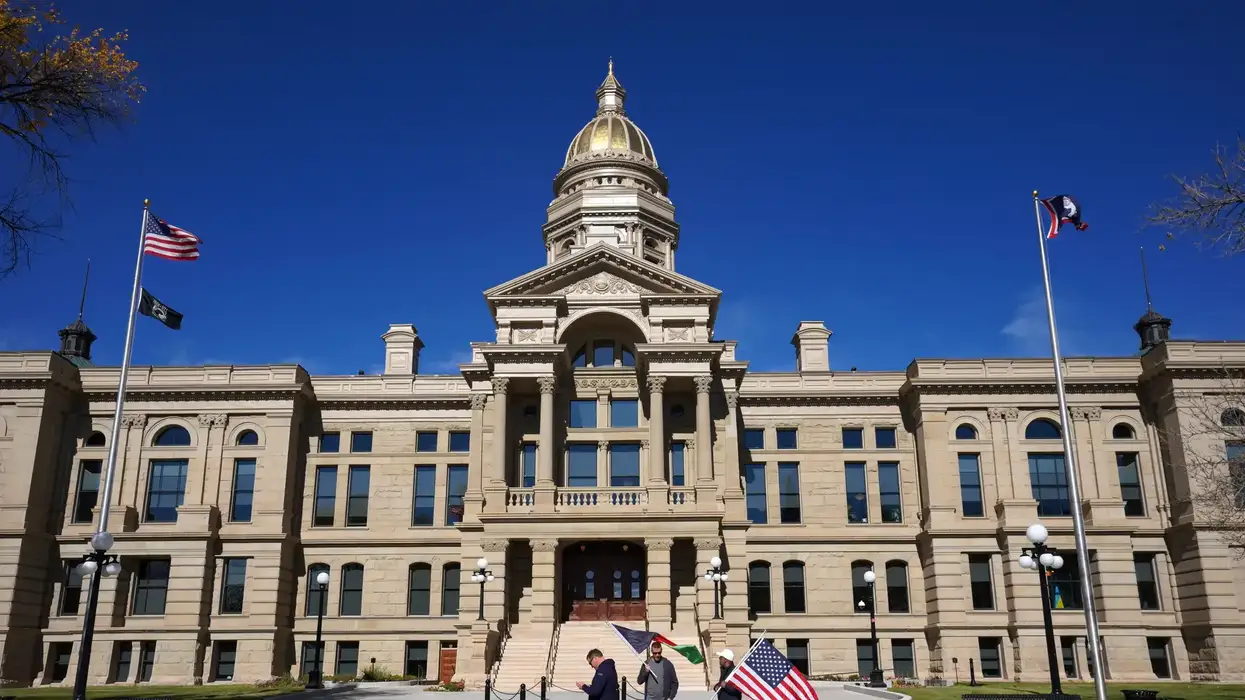
Idaho state officials told a federal judge they can test bathroom users to DNA if necessary to enforce a law segregating stalls by gender.
Idaho’s strict anti-trans law requires people to use public restrooms and changing facilities that correspond with the sex they were assigned at birth. When attorneys for plaintiffs challenging the law noted that many transgender people have state-issued IDs reflecting their gender identity, U.S. District Judge Amanda Brailsford questioned how exactly the state would enforce the statute, according to the Idaho Capital Sun.
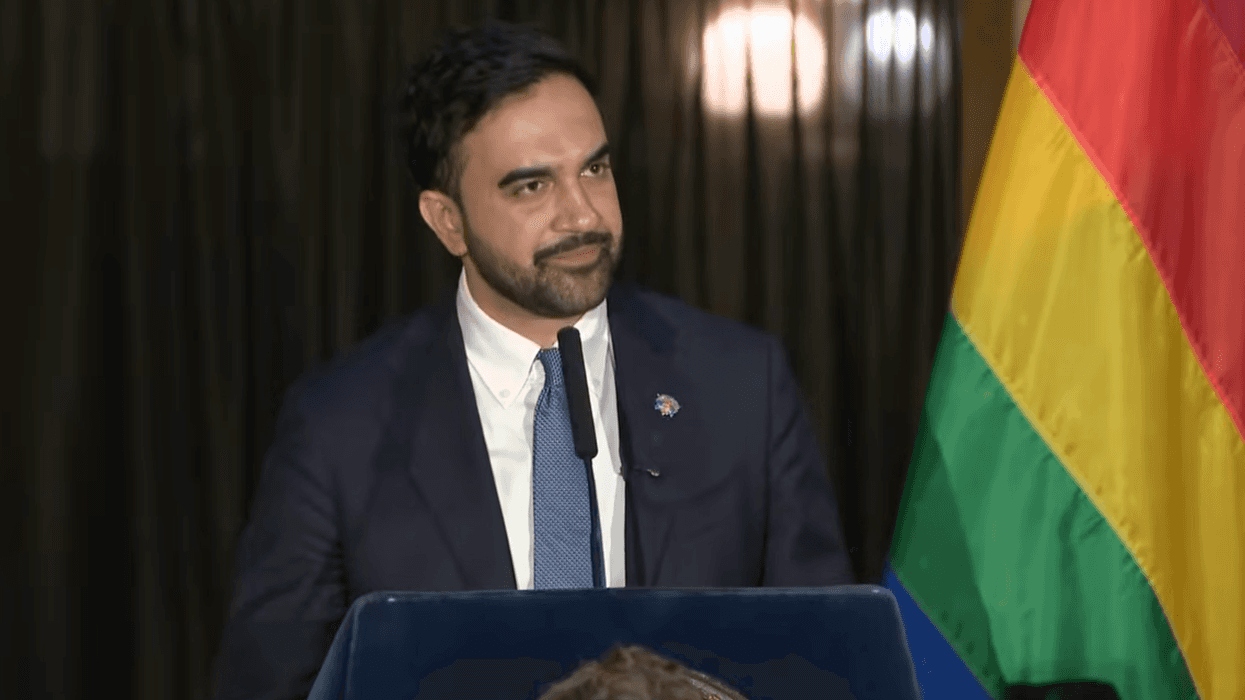
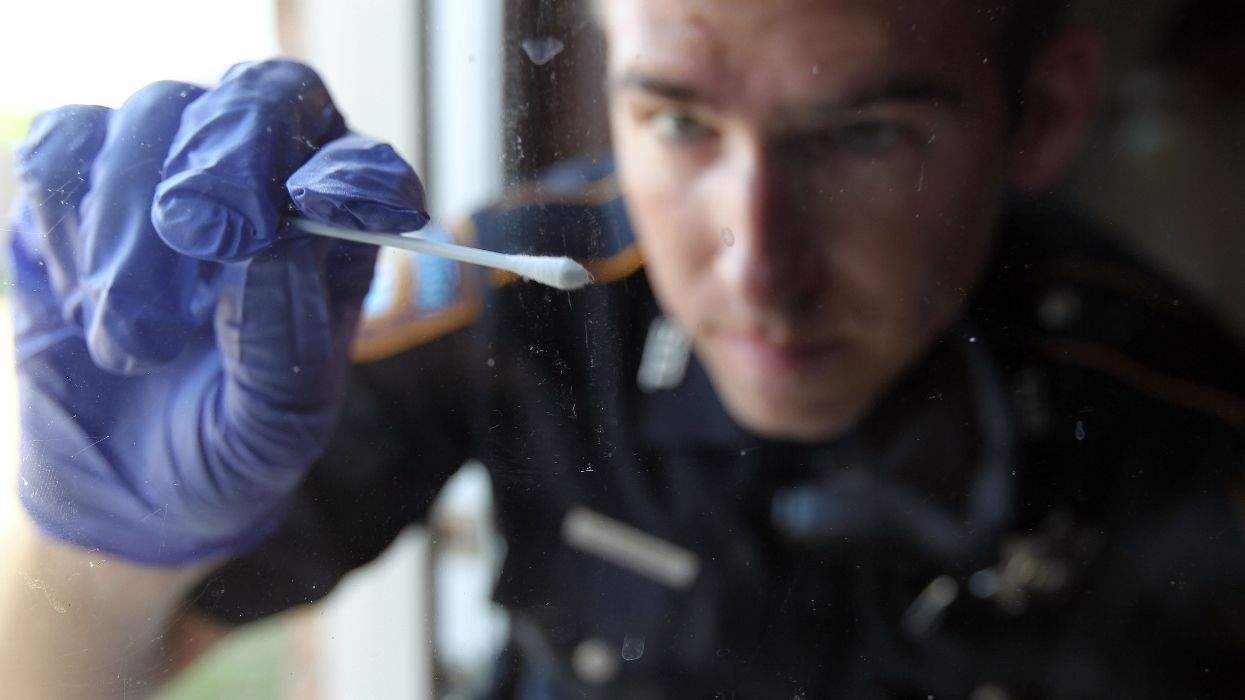
Idaho Solicitor General Michael Zarian told the judge enforcement should be straightforward “because there is DNA testing.” But that suggestion raises significant questions about privacy rights and what level of suspicion would be required before Idaho authorities could demand that someone submit to genetic testing — a tool more commonly associated with investigating serious crimes such as rape and murder.
Related: The Idaho legislature isn’t governing. It’s hunting transgender people
Zarian went on to tell the judge that a person would not necessarily need to consent before such testing could occur, though he said he doubted anyone would be expected to submit to testing on the spot.
But Kell Olson, an attorney for Lambda Legal and a transgender man, said such testing would ordinarily require a warrant issued by a judge. Olson noted that his own state ID lists his sex as male and argued that the law’s impact would be felt by transgender people in routine, everyday situations.
“If I just go to a restaurant with my family and want to wash my hands before dinner, this law comes into play. Now I have to stop and decide, do I — if this law is in effect — do I go into the restroom that is illegal now, the men’s room?” Olson told reporters after the hearing. “Or do I walk into the women’s room and take all of the risk that that now comes with, whether that’s assault or harassment, or someone calling the police, because now it looks like I’m violating the law?”
Related: Idaho Republicans pass bill making it a felony for transgender people to use public bathrooms
Advocates have long warned that bathroom bans are difficult to enforce without encouraging people to scrutinize the appearance of strangers in public restrooms. Critics say such laws can subject both transgender and cisgender people to harassment when others incorrectly assume someone does not belong in a particular facility.
Such incidents have already occurred. In 2025, a Black cisgender lesbian in Arizona said sheriff’s deputies confronted her in a Walmart restroom after someone mistakenly believed she was transgender. Most notably, U.S. Rep. Nancy Mace of South Carolina and U.S. Rep. Lauren Boebert of Colorado confronted a cisgender woman in a Capitol restroom after mistakenly believing she was transgender U.S. Congresswoman Sarah McBride of Delaware.
The proposal also collides with reality. DNA testing is not something police can perform on the spot. Even in serious criminal investigations, forensic DNA analysis frequently takes weeks or months to complete because samples must be collected, processed, and analyzed in a laboratory.
Railsford, who was appointed to her current spot on the bench by President Joe Biden, is expected to decide soon whether to issue an injunction that blocks enforcement of the law as a challenge plays out in court.