'%3E%3Cpath d='M16.3574 35.6519H12.9537L15.0491 18.8873L16.3574 35.6519ZM30.4229 54.0093L22.309 0.994385H7.91795L0 54.0093H10.6634L11.5802 46.3855H17.4014L17.9914 54.0093H30.4229Z' fill='%23971B20'/%3E%3Cpath d='M48.2073 41.8813C48.2073 43.4049 47.4892 44.0011 46.1144 44.0011H43.7595V11.0687H46.1144C47.4892 11.0687 48.2073 11.6636 48.2073 13.1885V41.8813ZM59.5273 43.6695V11.3326C59.5273 3.71323 53.5729 0.994385 47.8157 0.994385H31.7213V54.0093H47.8157C53.5729 54.0093 59.5273 51.29 59.5273 43.6695Z' fill='%23971B20'/%3E%3Cpath d='M90.183 0.994385H78.6039L75.0711 30.6157L71.9955 0.994385H59.4346L69.2474 54.0093H80.373L90.183 0.994385Z' fill='%23971B20'/%3E%3Cpath d='M107.063 42.3448C107.063 43.7359 105.951 44.5974 104.643 44.5974C103.269 44.5974 102.157 43.7359 102.157 42.3448V12.658C102.157 11.2676 103.269 10.4058 104.643 10.4058C105.951 10.4058 107.063 11.2676 107.063 12.658V42.3448ZM119.233 43.2723V11.7312C119.233 6.36384 112.952 -3.8147e-06 104.643 -3.8147e-06C96.2667 -3.8147e-06 89.9867 6.36384 89.9867 11.7312V43.2723C89.9867 48.6393 96.2667 55 104.643 55C112.952 55 119.233 48.6393 119.233 43.2723Z' fill='%23971B20'/%3E%3Cpath d='M150.976 43.9349V33.7309H139.069V42.3448C139.069 43.7359 137.957 44.5974 136.582 44.5974C135.076 44.5974 133.964 43.7359 133.964 42.3448V12.658C133.964 11.2676 135.076 10.4058 136.582 10.4058C137.957 10.4058 139.069 11.2676 139.069 12.658V21.2723H150.976V11.0687C150.976 5.70107 145.283 -3.8147e-06 136.582 -3.8147e-06C127.75 -3.8147e-06 121.796 5.70107 121.796 11.0687V43.9349C121.796 49.3022 127.75 55 136.582 55C145.283 55 150.976 49.3022 150.976 43.9349Z' fill='%23971B20'/%3E%3Cpath d='M167.478 35.6519H164.076L166.17 18.8873L167.478 35.6519ZM181.544 54.0093L173.432 0.994385H159.037L151.123 54.0093H161.785L162.704 46.3855H168.523L169.114 54.0093H181.544Z' fill='%23971B20'/%3E%3Cpath d='M205.412 10.4058V0.994385H177.081V10.4058H185.392V54.0093H197.428V10.4058H205.412Z' fill='%23971B20'/%3E%3Cpath d='M230.002 54.0093V43.9349H218.914V31.8746H226.635V21.8028H218.914V10.4058H230.002V0.994385H206.875V54.0093H230.002Z' fill='%23971B20'/%3E%3C/g%3E%3Cdefs%3E%3CclipPath id='clip0_260_7080'%3E%3Crect width='230' height='55' fill='white'/%3E%3C/clipPath%3E%3C/defs%3E%3C/svg%3E)
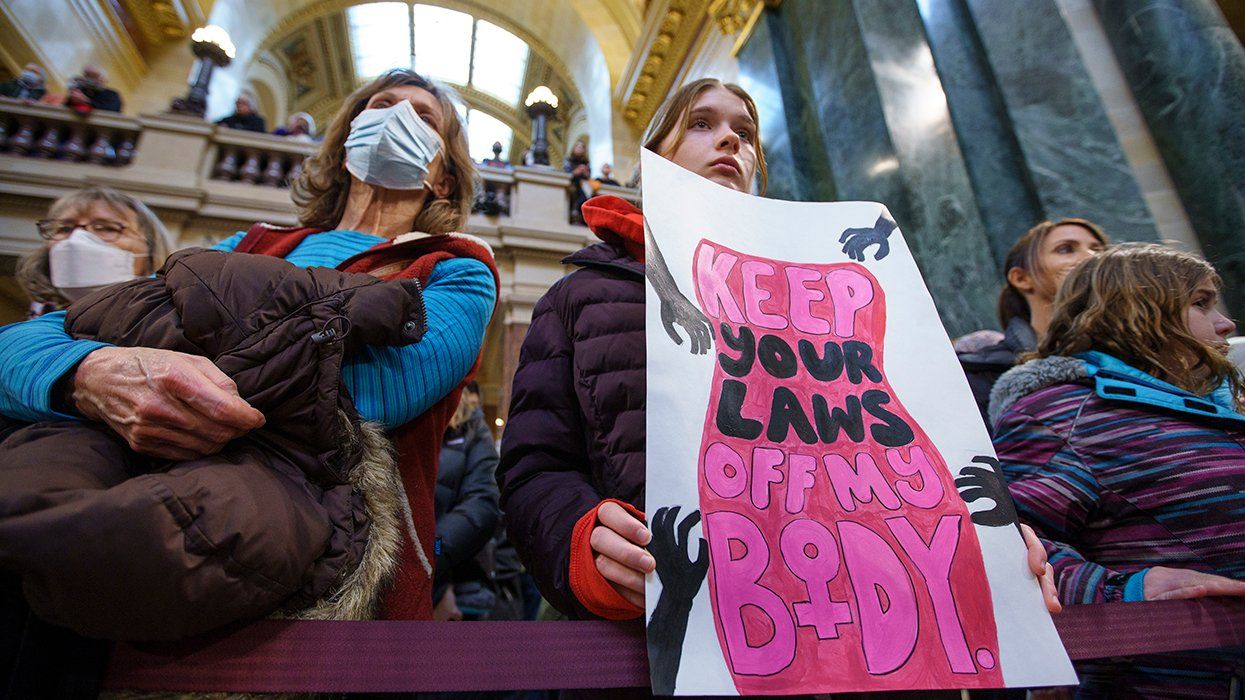

The Wisconsin Supreme Court's liberal majority has struck down a 176-year-old near-total abortion ban, finally protecting access to the care three years after losing it nationally.
The state's highest court ruled 4-3 Wednesday that the legislature "impliedly repealed the 19th century near-total ban on abortion" by passing a law in 1985 that allows abortions up until fetal viability, and after if the health or life of the pregnant person was threatened. Therefore, a law from 1849 "does not prohibit abortion in the State of Wisconsin."
"This case is about giving effect to 50 years’ worth of laws passed by the legislature about virtually every aspect of abortion including where, when, and how health-care providers may lawfully perform abortions," the majority wrote. "The legislature, as the peoples’ representatives, remains free to change the laws with respect to abortion in the future."
After the U.S. Supreme Court struck down Roe v. Wade in 2022, abortion providers in Wisconsin were unsure if they would be affected by the centuries-old law, which makes it a felony for anyone other than the person who is pregnant to “intentionally destroy the life of an unborn child.”
Dane County Circuit Judge Diane Schlipper ruled in 2023 the law does not ban consensual abortions, but rather feticide — terminating a pregnancy without consent. The state Supreme Court concurred in its opinion, writing, "we view that paragraph as doing merely what it says it does: creating an exception to the newly enacted feticide statutes."
The Court's decision was along party lines, and comes just a few months after a heated election between liberal Susan M. Crawford and conservative Brad Schimel. Crawford won by ten points and maintained the Court's liberal majority, despite Schimel's anti-transgender attack ads against her and Tesla CEO Elon Musk's $1 million giveaway to two Republican voters.
Executive Director of the ACLU of Wisconsin, Melinda Brennan, said in a statement that "with the ban struck down, Wisconsin is a more free and more just place to live. But that doesn’t mean it’s time to back down."
"The political attacks on reproductive justice will not slow down, and we must remain vigilant to make sure everyone who can get pregnant has access to the full range of reproductive healthcare, no matter where in the state they live," Brennan said. "Politicians will keep trying to legislate away and restrict our reproductive rights, as well as roll back LGBTQ rights, freedom of expression, and more. While we should celebrate this monumental win, we can’t let up.”