'%3E%3Cpath d='M16.3574 35.6519H12.9537L15.0491 18.8873L16.3574 35.6519ZM30.4229 54.0093L22.309 0.994385H7.91795L0 54.0093H10.6634L11.5802 46.3855H17.4014L17.9914 54.0093H30.4229Z' fill='%23971B20'/%3E%3Cpath d='M48.2073 41.8813C48.2073 43.4049 47.4892 44.0011 46.1144 44.0011H43.7595V11.0687H46.1144C47.4892 11.0687 48.2073 11.6636 48.2073 13.1885V41.8813ZM59.5273 43.6695V11.3326C59.5273 3.71323 53.5729 0.994385 47.8157 0.994385H31.7213V54.0093H47.8157C53.5729 54.0093 59.5273 51.29 59.5273 43.6695Z' fill='%23971B20'/%3E%3Cpath d='M90.183 0.994385H78.6039L75.0711 30.6157L71.9955 0.994385H59.4346L69.2474 54.0093H80.373L90.183 0.994385Z' fill='%23971B20'/%3E%3Cpath d='M107.063 42.3448C107.063 43.7359 105.951 44.5974 104.643 44.5974C103.269 44.5974 102.157 43.7359 102.157 42.3448V12.658C102.157 11.2676 103.269 10.4058 104.643 10.4058C105.951 10.4058 107.063 11.2676 107.063 12.658V42.3448ZM119.233 43.2723V11.7312C119.233 6.36384 112.952 -3.8147e-06 104.643 -3.8147e-06C96.2667 -3.8147e-06 89.9867 6.36384 89.9867 11.7312V43.2723C89.9867 48.6393 96.2667 55 104.643 55C112.952 55 119.233 48.6393 119.233 43.2723Z' fill='%23971B20'/%3E%3Cpath d='M150.976 43.9349V33.7309H139.069V42.3448C139.069 43.7359 137.957 44.5974 136.582 44.5974C135.076 44.5974 133.964 43.7359 133.964 42.3448V12.658C133.964 11.2676 135.076 10.4058 136.582 10.4058C137.957 10.4058 139.069 11.2676 139.069 12.658V21.2723H150.976V11.0687C150.976 5.70107 145.283 -3.8147e-06 136.582 -3.8147e-06C127.75 -3.8147e-06 121.796 5.70107 121.796 11.0687V43.9349C121.796 49.3022 127.75 55 136.582 55C145.283 55 150.976 49.3022 150.976 43.9349Z' fill='%23971B20'/%3E%3Cpath d='M167.478 35.6519H164.076L166.17 18.8873L167.478 35.6519ZM181.544 54.0093L173.432 0.994385H159.037L151.123 54.0093H161.785L162.704 46.3855H168.523L169.114 54.0093H181.544Z' fill='%23971B20'/%3E%3Cpath d='M205.412 10.4058V0.994385H177.081V10.4058H185.392V54.0093H197.428V10.4058H205.412Z' fill='%23971B20'/%3E%3Cpath d='M230.002 54.0093V43.9349H218.914V31.8746H226.635V21.8028H218.914V10.4058H230.002V0.994385H206.875V54.0093H230.002Z' fill='%23971B20'/%3E%3C/g%3E%3Cdefs%3E%3CclipPath id='clip0_260_7080'%3E%3Crect width='230' height='55' fill='white'/%3E%3C/clipPath%3E%3C/defs%3E%3C/svg%3E)

Mutual aid saved my life. Today, I lead it for others.
Every day, Black trans and nonbinary people face barriers most Americans never see: going to bed hungry, walking home afraid, or not knowing where they'll sleep that night. These struggles aren't personal failings—they're the result of systemic neglect: unaffordable housing, inaccessible mental health care, and job protections that often exclude the most vulnerable.
Yet the greatest failure might be invisibility. Too often, Black trans lives disappear from the very data used to shape policy. The Trevor Project's 2024 U.S. National Survey on the Mental Health of LGBTQ+ Young People paints a stark picture: nearly 40% of LGBTQ+ youth considered suicide in the past year, rising to 46% among transgender and nonbinary youth. Around 28% have experienced homelessness or housing instability, and 30% reported food insecurity in the last month.
These numbers aren't just statistics; they're symptoms of profound, systemic neglect that hits Black and brown LGBTQ+ communities hardest.
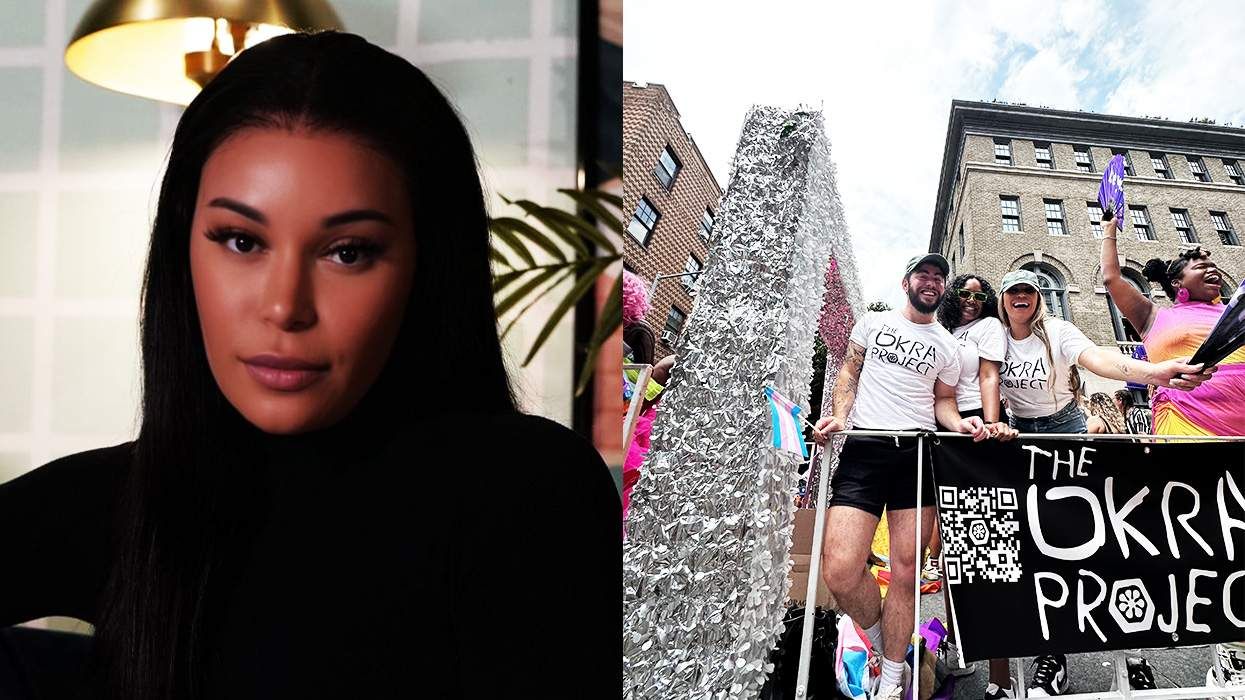
I know that reality. As a Black trans woman, I've navigated systems that were never built for people like me. My leadership is not abstract but comes from lived experience. I am here because neighbors and community members showed up when institutions didn't. Mutual aid sustained me. Today, as executive director of The Okra Project, I'm committed to ensuring others receive that same lifeline.
When I stepped into this role in 2023, The Okra Project was burdened by mismanagement and community mistrust. Rebuilding wasn't just about stabilizing an organization. It was about restoring faith in a mission rooted in care. I promised to do it one program at a time: an opportunity to grab a meal, a safe ride, a therapy session, a hand with rent, or keep the lights on.
Since then, we've funded 21 programs, with 23 expected by the end of 2025. We've received over 11,000 applications and provided more than $260,000 in direct food and housing support to 1,389 Black trans people, along with $500,000 in therapy services. We've reached nearly every state—from New York to Georgia and California—but can only fund 13% of applicants each year.
The need far outpaces our capacity.
In 2024 alone, The Okra Project delivered $66,700 in direct mutual aid nationwide, strengthening food security, housing stability, and mental wellness. The Black Trans Therapy Fund provided three to six months of therapy for 94 people, while the Rides and Meals Fund offered 150 individuals safe transportation and nourishing meals. With support from community partners, another $200,000 in essential resources, such as therapy services and toiletries, reached those who needed them most.
Each program cycle receives up to 1,000 requests, the majority from Black trans Gen Z and millennials aged 23 to 56. Still, we can only meet a fraction of that need. For every person we reach, many more continue to wait for safety, stability, and care. Behind every number is a person. Someone being able to purchase a new binder and hormones, or getting home safely after working in the nightlife industry. Or sharing a meal with chosen family after a long day of work.
They aren't statistics but our neighbors, co-workers, and family members. Their safety and dignity depend on whether we, as a society, choose to see them.
This is bigger than one organization. Mutual aid is not a replacement for public policy; it is a lifeline when policy has failed. But if we truly want a world where Black trans lives are not just protected but celebrated, systemic change is essential.
When I inherited The Okra Project, it was in crisis. Today, I see a possibility. Each meal, ride, and therapy session is more than a transaction. It is an act of dignity. It's how we make sure no one disappears into the margins. Mutual aid once saved my life. Now, it's how I fight for a future where every Black and brown trans person is seen, supported, and able to thrive.
Gabrielle Inès Souza is a dedicated community organizer and nonprofit leader whose work bridges grassroots activism with strategic, executive leadership.
Learn more about The Okra Project's services and offerings, and how you can support this community-focused organization at theokraproject.com.
Opinion is dedicated to featuring a wide range of inspiring personal stories and impactful opinions from the LGBTQ+ community and its allies. Visit Advocate.com/submit to learn more about submission guidelines. We welcome your thoughts and feedback on any of our stories. Email us at voices@equalpride.com. Views expressed in Voices stories are those of the guest writers, columnists, and editors, and do not directly represent the views of The Advocate or our parent company, equalpride.