'%3E%3Cpath d='M16.3574 35.6519H12.9537L15.0491 18.8873L16.3574 35.6519ZM30.4229 54.0093L22.309 0.994385H7.91795L0 54.0093H10.6634L11.5802 46.3855H17.4014L17.9914 54.0093H30.4229Z' fill='%23971B20'/%3E%3Cpath d='M48.2073 41.8813C48.2073 43.4049 47.4892 44.0011 46.1144 44.0011H43.7595V11.0687H46.1144C47.4892 11.0687 48.2073 11.6636 48.2073 13.1885V41.8813ZM59.5273 43.6695V11.3326C59.5273 3.71323 53.5729 0.994385 47.8157 0.994385H31.7213V54.0093H47.8157C53.5729 54.0093 59.5273 51.29 59.5273 43.6695Z' fill='%23971B20'/%3E%3Cpath d='M90.183 0.994385H78.6039L75.0711 30.6157L71.9955 0.994385H59.4346L69.2474 54.0093H80.373L90.183 0.994385Z' fill='%23971B20'/%3E%3Cpath d='M107.063 42.3448C107.063 43.7359 105.951 44.5974 104.643 44.5974C103.269 44.5974 102.157 43.7359 102.157 42.3448V12.658C102.157 11.2676 103.269 10.4058 104.643 10.4058C105.951 10.4058 107.063 11.2676 107.063 12.658V42.3448ZM119.233 43.2723V11.7312C119.233 6.36384 112.952 -3.8147e-06 104.643 -3.8147e-06C96.2667 -3.8147e-06 89.9867 6.36384 89.9867 11.7312V43.2723C89.9867 48.6393 96.2667 55 104.643 55C112.952 55 119.233 48.6393 119.233 43.2723Z' fill='%23971B20'/%3E%3Cpath d='M150.976 43.9349V33.7309H139.069V42.3448C139.069 43.7359 137.957 44.5974 136.582 44.5974C135.076 44.5974 133.964 43.7359 133.964 42.3448V12.658C133.964 11.2676 135.076 10.4058 136.582 10.4058C137.957 10.4058 139.069 11.2676 139.069 12.658V21.2723H150.976V11.0687C150.976 5.70107 145.283 -3.8147e-06 136.582 -3.8147e-06C127.75 -3.8147e-06 121.796 5.70107 121.796 11.0687V43.9349C121.796 49.3022 127.75 55 136.582 55C145.283 55 150.976 49.3022 150.976 43.9349Z' fill='%23971B20'/%3E%3Cpath d='M167.478 35.6519H164.076L166.17 18.8873L167.478 35.6519ZM181.544 54.0093L173.432 0.994385H159.037L151.123 54.0093H161.785L162.704 46.3855H168.523L169.114 54.0093H181.544Z' fill='%23971B20'/%3E%3Cpath d='M205.412 10.4058V0.994385H177.081V10.4058H185.392V54.0093H197.428V10.4058H205.412Z' fill='%23971B20'/%3E%3Cpath d='M230.002 54.0093V43.9349H218.914V31.8746H226.635V21.8028H218.914V10.4058H230.002V0.994385H206.875V54.0093H230.002Z' fill='%23971B20'/%3E%3C/g%3E%3Cdefs%3E%3CclipPath id='clip0_260_7080'%3E%3Crect width='230' height='55' fill='white'/%3E%3C/clipPath%3E%3C/defs%3E%3C/svg%3E)


During its annual shareholders meeting on Wednesday, The New York Times faced a pointed question it has largely avoided in public: What responsibility does the paper bear when its reporting is cited to justify laws and policies targeting transgender people?
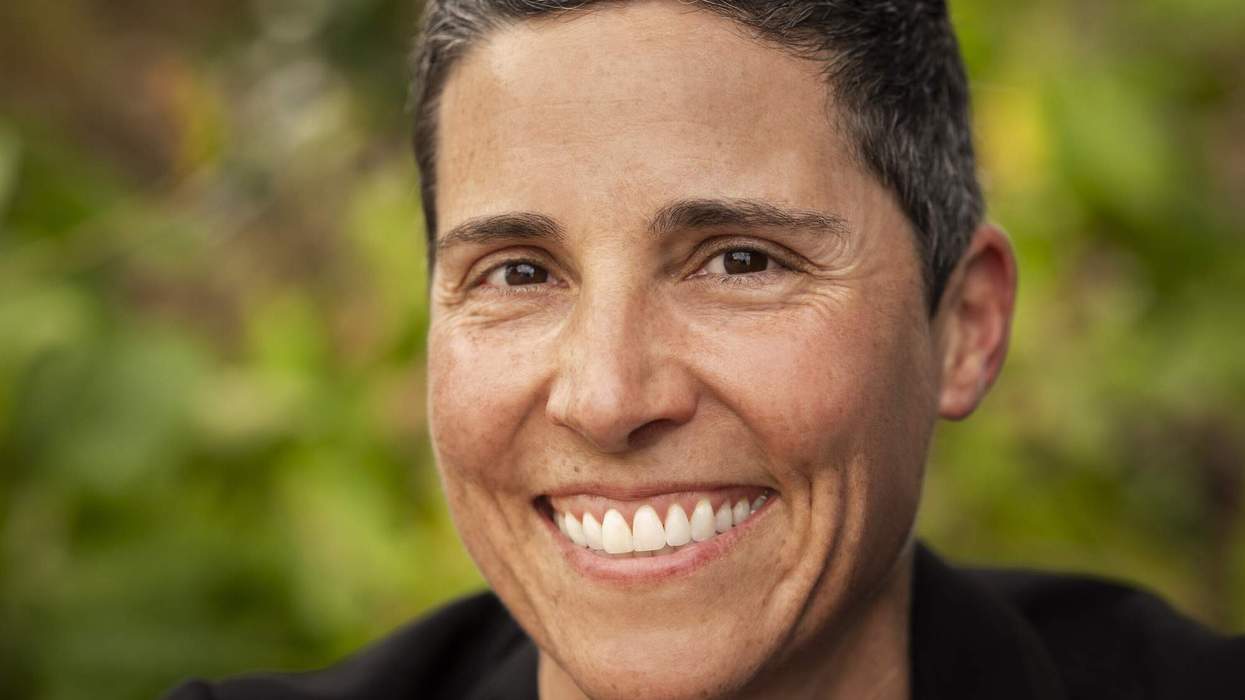
The question was submitted by a former subscriber, an affirming parent with the Gender Liberation Movement, and read aloud on the call. It referenced the paper’s own business disclosures and editorial influence, noted a decline in news-only subscribers, and argued that Times coverage of transgender people has been cited by the Trump administration and others "to justify discrimination and harm."
The Times has 12.78 million total subscribers as of the fourth quarter of 2025, the company told The Advocate, and is shifting its strategy toward bundled digital products, moving away from marketing standalone news subscriptions.
"This reporting is deeply concerning to me as the mom of a trans teen," the parent said. "What steps are you taking to be accountable to concerns of the trans community, readers, and shareholders?"
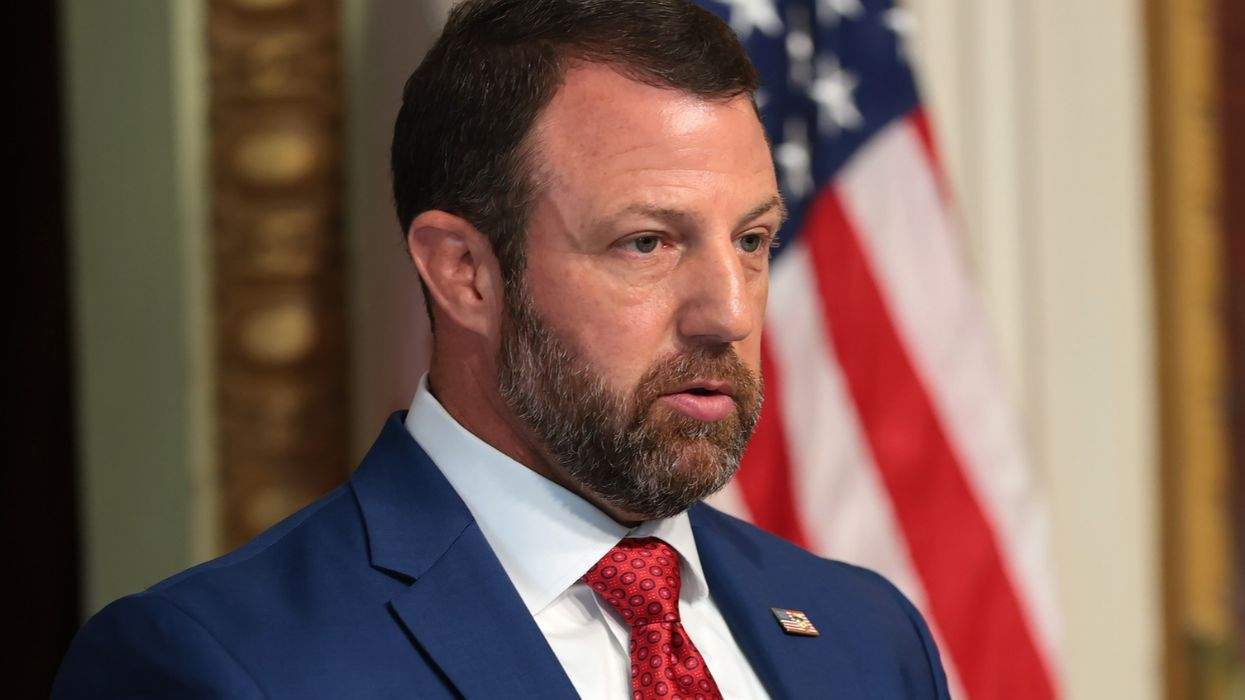
Publisher A.G. Sulzberger responded by saying he needed to correct the premise of the question. He said the company has “more news subscribers than at any point in our history” and that the number “continued to grow robustly last year.” He said newsroom leaders have spent significant time engaging with critics and concluded that the coverage “has indeed been fair and comprehensive,” a view he said he shares.
The reporting, he added, has been “incredibly rigorously reported and edited” and “respectful of the people we’re covering and sensitive to the moment.” Sulzberger framed coverage of gender identity as part of a rapidly evolving national conversation, saying the Times’ role is “to cover all aspects of that shift fully and fairly.” He pointed to the breadth of the paper’s work, including stories documenting discrimination and violence as well as coverage of “groundbreakers in the community” and the “hopes and struggles for trans rights,” and argued that readers “couldn’t read any of that and think that The New York Times is anti-trans,” even as critics and members of the transgender community have said the coverage has caused harm and contributed to policies targeting them.
He also noted that the opinion section “has explicitly championed trans rights for many years and continues to do so today,” adding that the newsroom would continue working “to make sure that this journalism meets the highest standards.”
Related: New York Times fails to include trans voices in coverage, say GLAAD, Media Matters
Related: New York Times continues to fail on trans issues one year after demands made
A spokesperson later told The Advocate that Sulzberger had "addressed [the mother's] question fully," pointing to prior remarks in which he argued that withholding information because it could be misused would be "unjournalistic."
Critics said the response missed the point.
"The New York Times again failed to take responsibility for years of coverage that has been so inaccurate and biased the Trump administration, the Supreme Court, and lawmakers in states considering anti-trans legislation have specifically cited it multiple times to justify unprecedented laws and rulings against transgender Americans," a GLAAD spokesperson said in a statement to The Advocate.
“The Times’ coverage is also regularly cited by anti-LGBTQ activist organizations that the Times continues to feature as credible sources in its reporting without noting their documented history of anti-LGBTQ pseudoscience and conspiracy theories. Meanwhile, the Times has chosen not to report in-depth on comprehensive independent scientific research that unambiguously shows benefits of health care that affirms and supports transgender youth, research covered by other and far smaller outlets, yet somehow didn’t make it into the Times’ ‘all the news fit to print.’”
The NYT coverage cited in court
The paper's coverage has made concrete appearances in legal and legislative proceedings.
In United States v. Skrmetti, where the U.S. Supreme Court upheld Tennessee's ban on gender-affirming care for minors, Justice Clarence Thomas cited the Times multiple times in a concurring opinion, arguing that courts should be skeptical of medical consensus on the subject. Times reporting has also appeared in amicus briefs and legal filings from the Society for Evidence-Based Gender Medicine, a coalition of Republican-led states in the Eleventh Circuit, and the Family Research Council. Missouri's 2023 emergency regulation restricting gender-affirming care, which described such treatments as dangerous and imposed extensive conditions before patients could receive them, drew on similar reporting that frames the issue as medically unsettled.
Related: Instead of reporting on actual news, the New York Times goes after trans people again
Related: The New York Times Kicks Trans People When They're Down
That framing conflicts with the position of every major medical association in the country. More than 30 organizations, including the American Medical Association, the American Academy of Pediatrics, the American Psychiatric Association, the Endocrine Society, the World Health Organization, and the World Professional Association for Transgender Health, have issued statements supporting gender-affirming care for transgender people and youth as safe, evidence-based, and medically necessary. In 2023, the AMA passed a resolution noting that more than 2,000 scientific studies have examined aspects of gender-affirming care since 1975, and that bans on such care "do not reflect the research landscape."
Critics argue that framing the medical consensus as unsettled is itself a choice, and not a neutral one. They also say the Times has not consistently disclosed the ideological affiliations or track records of sources it has quoted, including organizations accused of promoting anti-LGBTQ+ pseudoscience.
Coverage gaps have also drawn scrutiny. An independent review commissioned by Utah officials, more than 1,000 pages long and examining hundreds of studies involving tens of thousands of patients, found significant benefits associated with gender-affirming care for youth. The Associated Press, The Salt Lake Tribune, and The Advocate all covered the findings. The Times did not cover them in depth.
A joint 2024 analysis by Media Matters and GLAAD found that the Times failed to quote a transgender person in 66 percent of its stories about anti-trans legislation over a one-year period.
What LGBTQ+ journalist groups are saying
Journalism organizations that have engaged directly with the Times offered a more divided assessment.
Ken Miguel, president of NLGJA: The Association of LGBTQ+ Journalists, said the paper has made real progress since the controversy peaked. He helped facilitate an off-the-record meeting between Times leadership and journalism organizations, including the Trans Journalists Association, and called the exchange "very productive.” He said he believes the newsroom has since made "significant headway" toward fairer, more accurate coverage.
But he said the paper’s earlier coverage has left a credibility problem that persists even as the journalism has improved.
"I think they have a perception problem," Miguel told The Advocate. "They are the paper of note, really nationwide, so I think that they don’t often realize the weight of their words."
Related: On Trans Issues, The New York Times Is Dead Wrong
That reputation is now affecting how the Times can do its work. Some transgender journalists are reluctant to join the staff, he said, adding that some transgender sources are refusing to speak to Times reporters, limiting the range of voices in stories and reinforcing the criticism the paper is trying to answer. Miguel said internal scrutiny of transgender coverage has intensified, with more exhaustive vetting than for many other topics.
"The community in some ways is hurting itself by not talking to The New York Times," he said, while maintaining that engagement remains essential. "I think the New York Times gets it. They know that they have a perception problem, and I think that they are doing everything that they can to make sure they get it right going forward."
Tre’Vell Anderson, executive director of the Trans Journalists Association, took a harder line.
"Despite what the publisher has said, the concerns among the trans community about how we have been covered are still persistent," Anderson told The Advocate. The response at the shareholders meeting, they said, "flies in the face of continued criticism and feedback" from advocates, journalists, and transgender people.
They argued that the paper was failing to apply the standards journalists use to evaluate their own work.
"When we as journalists are having conversations about the impact of our work, we talk about how reporting leads to accountability or inspires action," Anderson said. "Choosing not to take responsibility for what are negative outcomes feels like a missed opportunity."
Related: New York Times Decries Contributors Protesting Its Trans Coverage
Related: Debunked: This misleading NYT anti-trans column relies on pseudoscience
"What is being termed by them as accurate, rigorous reporting is the very same work that is being cited as justification for the rolling back of these rights," they added.
Anderson said the core problem is structural. Transgender journalists remain underrepresented across newsroom roles, from reporting to leadership, making it harder for their perspectives to shape coverage from the inside.
"The greatest demonstration of a newsroom’s interest and capacity to get this story right is to hire trans people," Anderson said. "The reality is trans people just are not present in our newsrooms at all, and so it makes it difficult for the truths of our lives as trans people to show up in the newsroom, let alone in the coverage."
The paper’s reputation has created a divide even among the transgender journalists the Times might hope to recruit. "Some people would never jump at that opportunity," Anderson said. "And we also have members who still recognize The New York Times as The New York Times and would jump at that opportunity."
In October, the Trans Journalists Association convened a group of journalists in New York to discuss coverage of transgender communities. Times representatives attended and participated. Anderson said that mattered, while cautioning against reading too much into it.
"They showed up, and they were participatory," Anderson said. "I can only hope that that is a sign of what is possible."
Still, Anderson was clear about where things stand.
"I don't want to make it seem like everything’s amazing because there's still more work to be done,” they said.