The parallels between the landmark 1967 Supreme Court case Loving v. Virginia and the fight for marriage equality today are undeniable. Forced to flee their home state of Virginia and live in exile in Washington, D.C . -- or risk being arrested again for having violated the state's Racial Integrity Act of 1924 -- Mildred and Richard Loving, a mixed-race couple, took the only route they could find to get back home: through the courts.
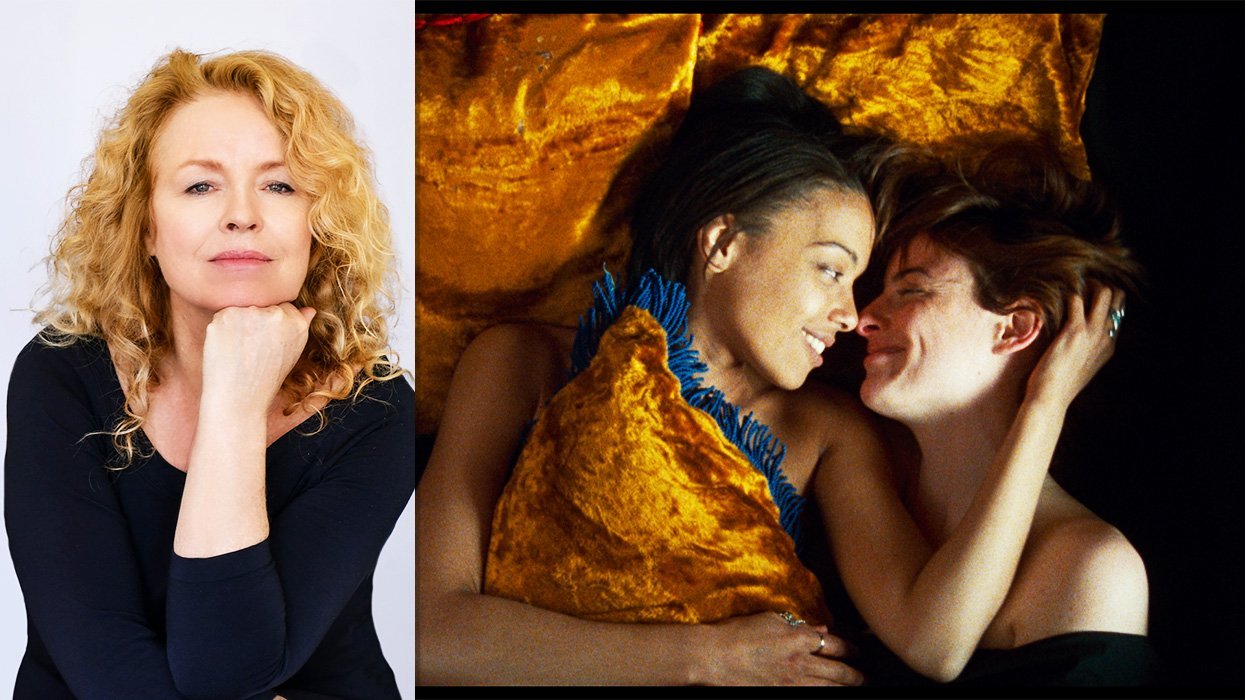
"They were in a community [in Virginia] that not only tolerated their marriage but really fostered it," attests filmmaker Nancy Buirski, a straight woman who is well aware that many LGBT couples and families live in communities whose mores may not be aligned with those of their states. "It reminds you what it means for the state to step in and tell us what to do with our personal freedoms."
When Sherre Toler resigned in early January as director of elections in North Carolina's Harnett County, she cited the case as her reason for taking a stand and what she'd learned from her own interracial relationship, saying she couldn't preside over marriage equality being put up for a vote via an upcoming ballot initiative.
And yet The Loving Story, Buirski's documentary about the case, which premieres February 14 on HBO, makes no mention of this resonance.
"The relationship to gay marriage is there, and it's intentional," she says, "but it's kind of a Trojan horse issue."
Such subtlety runs counter to the style of many popular documentaries, with their Michael Moore - like bombast. In fact, Buirski did pretty much the opposite: Over the course of the narration-free film, she lets the Lovings and their lawyers speak for themselves. Buirski accomplished this through footage she found that was shot at the time and lay untouched in a closet for more than 40 years.
The footage makes the Lovings' struggle feel almost present-day -- with perhaps one exception: Being made to live outside of Virginia sounds like a not-bad punishment, right? But, as Buirski points out, it was a different time.
"It was a very special place for them," she says of the Lovings' community in Virginia, which they were eventually allowed to return to. "They were not trying to be heroes, they were not activists. I feel strongly that we need to honor people like that."