'%3E%3Cpath d='M16.3574 35.6519H12.9537L15.0491 18.8873L16.3574 35.6519ZM30.4229 54.0093L22.309 0.994385H7.91795L0 54.0093H10.6634L11.5802 46.3855H17.4014L17.9914 54.0093H30.4229Z' fill='%23971B20'/%3E%3Cpath d='M48.2073 41.8813C48.2073 43.4049 47.4892 44.0011 46.1144 44.0011H43.7595V11.0687H46.1144C47.4892 11.0687 48.2073 11.6636 48.2073 13.1885V41.8813ZM59.5273 43.6695V11.3326C59.5273 3.71323 53.5729 0.994385 47.8157 0.994385H31.7213V54.0093H47.8157C53.5729 54.0093 59.5273 51.29 59.5273 43.6695Z' fill='%23971B20'/%3E%3Cpath d='M90.183 0.994385H78.6039L75.0711 30.6157L71.9955 0.994385H59.4346L69.2474 54.0093H80.373L90.183 0.994385Z' fill='%23971B20'/%3E%3Cpath d='M107.063 42.3448C107.063 43.7359 105.951 44.5974 104.643 44.5974C103.269 44.5974 102.157 43.7359 102.157 42.3448V12.658C102.157 11.2676 103.269 10.4058 104.643 10.4058C105.951 10.4058 107.063 11.2676 107.063 12.658V42.3448ZM119.233 43.2723V11.7312C119.233 6.36384 112.952 -3.8147e-06 104.643 -3.8147e-06C96.2667 -3.8147e-06 89.9867 6.36384 89.9867 11.7312V43.2723C89.9867 48.6393 96.2667 55 104.643 55C112.952 55 119.233 48.6393 119.233 43.2723Z' fill='%23971B20'/%3E%3Cpath d='M150.976 43.9349V33.7309H139.069V42.3448C139.069 43.7359 137.957 44.5974 136.582 44.5974C135.076 44.5974 133.964 43.7359 133.964 42.3448V12.658C133.964 11.2676 135.076 10.4058 136.582 10.4058C137.957 10.4058 139.069 11.2676 139.069 12.658V21.2723H150.976V11.0687C150.976 5.70107 145.283 -3.8147e-06 136.582 -3.8147e-06C127.75 -3.8147e-06 121.796 5.70107 121.796 11.0687V43.9349C121.796 49.3022 127.75 55 136.582 55C145.283 55 150.976 49.3022 150.976 43.9349Z' fill='%23971B20'/%3E%3Cpath d='M167.478 35.6519H164.076L166.17 18.8873L167.478 35.6519ZM181.544 54.0093L173.432 0.994385H159.037L151.123 54.0093H161.785L162.704 46.3855H168.523L169.114 54.0093H181.544Z' fill='%23971B20'/%3E%3Cpath d='M205.412 10.4058V0.994385H177.081V10.4058H185.392V54.0093H197.428V10.4058H205.412Z' fill='%23971B20'/%3E%3Cpath d='M230.002 54.0093V43.9349H218.914V31.8746H226.635V21.8028H218.914V10.4058H230.002V0.994385H206.875V54.0093H230.002Z' fill='%23971B20'/%3E%3C/g%3E%3Cdefs%3E%3CclipPath id='clip0_260_7080'%3E%3Crect width='230' height='55' fill='white'/%3E%3C/clipPath%3E%3C/defs%3E%3C/svg%3E)


Pedro Centeno Vallenilla's work is a hybrid of influences from his native Venezuela to the Italian Renaissance painters like Michelangeo to the body-worshipping Fascists. His painterly glorification of the male body made his interests apparent and there seems to be an interplay of influence with a contemporary of his, artist George Quaintance.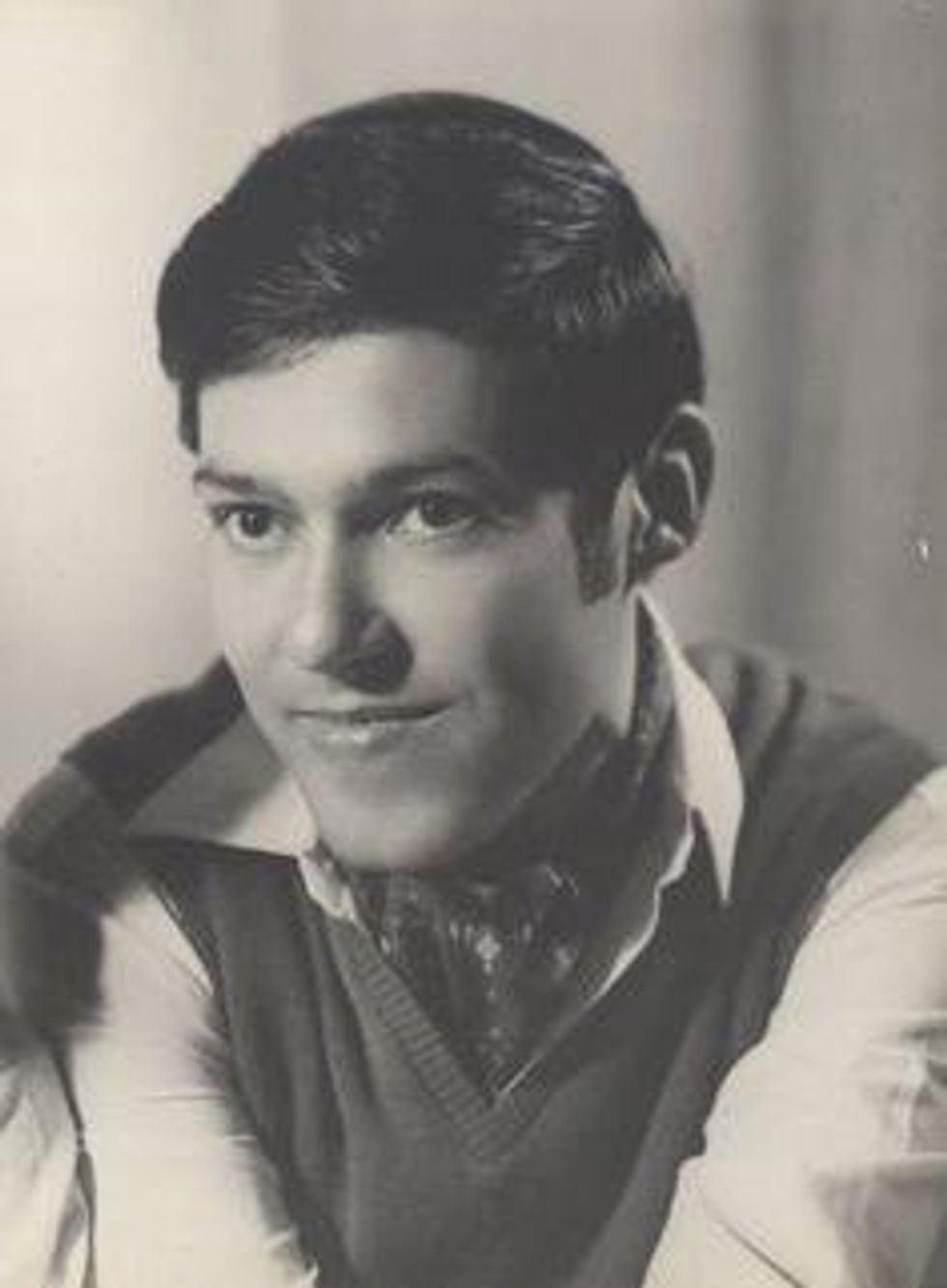 Born in Barcelona, the capital of Anzoategui State in Venzuela, on June 13, 1904, Pedro Centeno Vallenilla entered the Academy of Fine Arts in Caracas in 1915, where he studied with Almeida Crespo and Alvarez Garcia. He then studied law at the Central University of Venezuela, received his doctorate degree there in 1926, and after graduation he entered the diplomatic service. In 1927 he traveled to Europe, serving in Paris until 1932. From 1932 he was the Venezuelan representative at the Vatican in Rome. His stay in Rome coincided with the rise of Fascism, and his art is in no small way influenced by the hyperbolic worship of the godlike male body by the Fascists.
From 1940 to 1944 he lived in the United States, where he did panels and murals at the Embassy of Venezuela in Washington. When he returned to Caracas, he devoted his life entirely to painting, and he opened a school in his workshop.
His first exhibitions were held at the School of Music of Caracas in 1932 and at the Charpentier Gallery in Paris in 1933. His major works are in the Embassy of Venezuela in Washington, and the Military Circle and the Legislative Palace in Caracas.
The painter was found dead in Caracas August 14, 1988, by a nephew in his studio, two days after his death, as he had forbidden anyone to interrupt him in his artistic work.
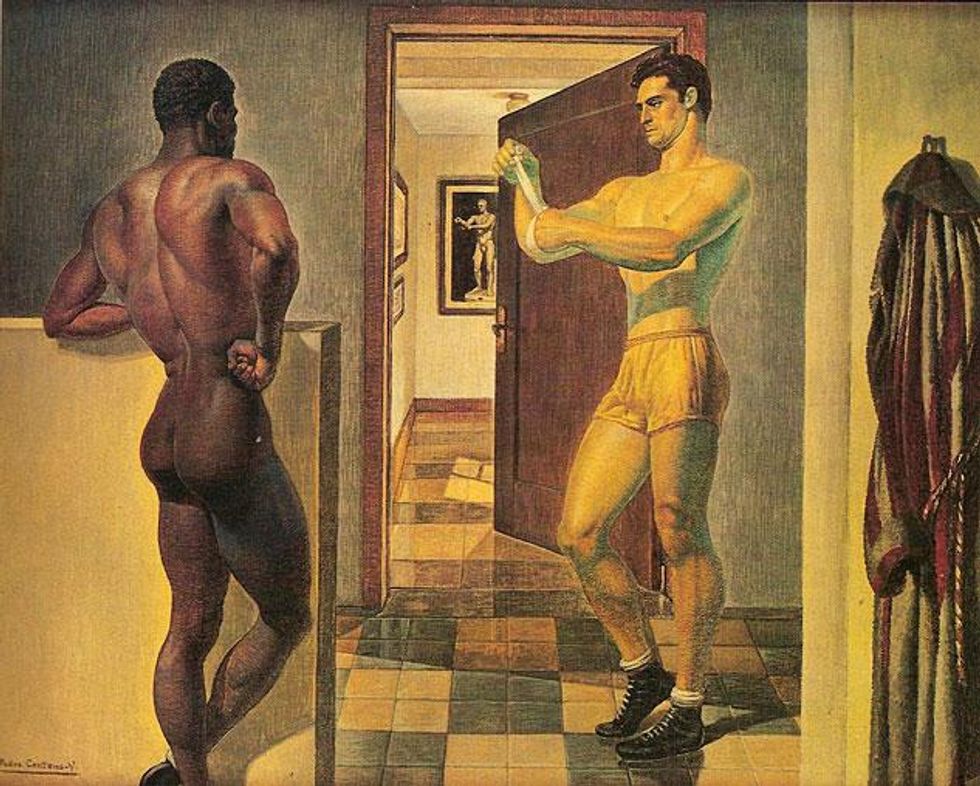
Click through for more art >>>
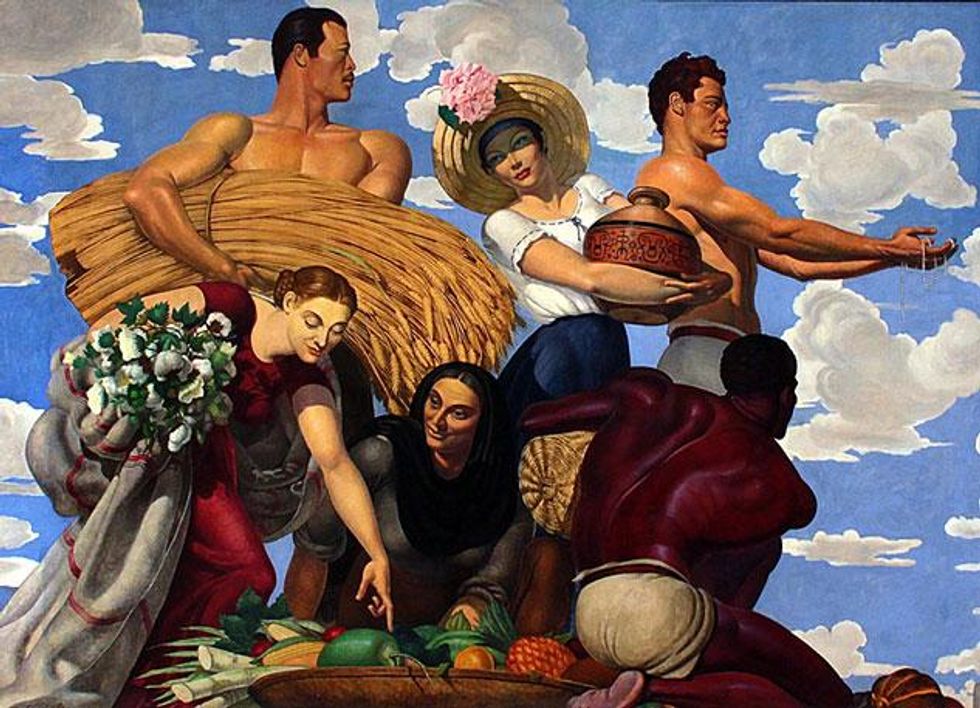
A bank mural
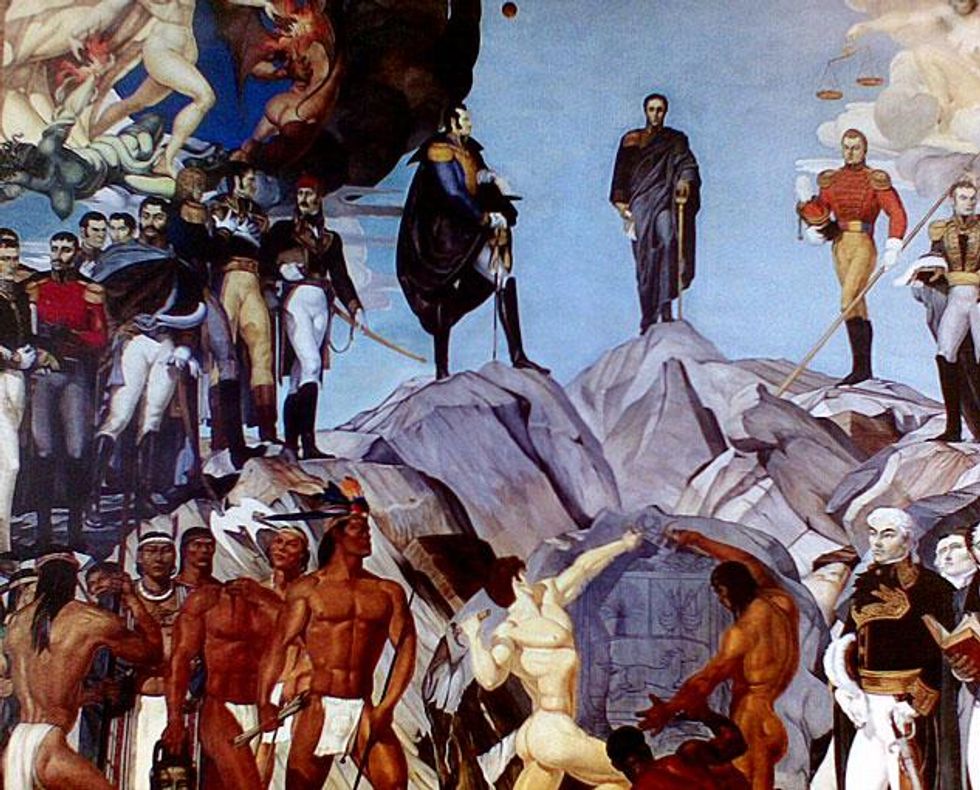
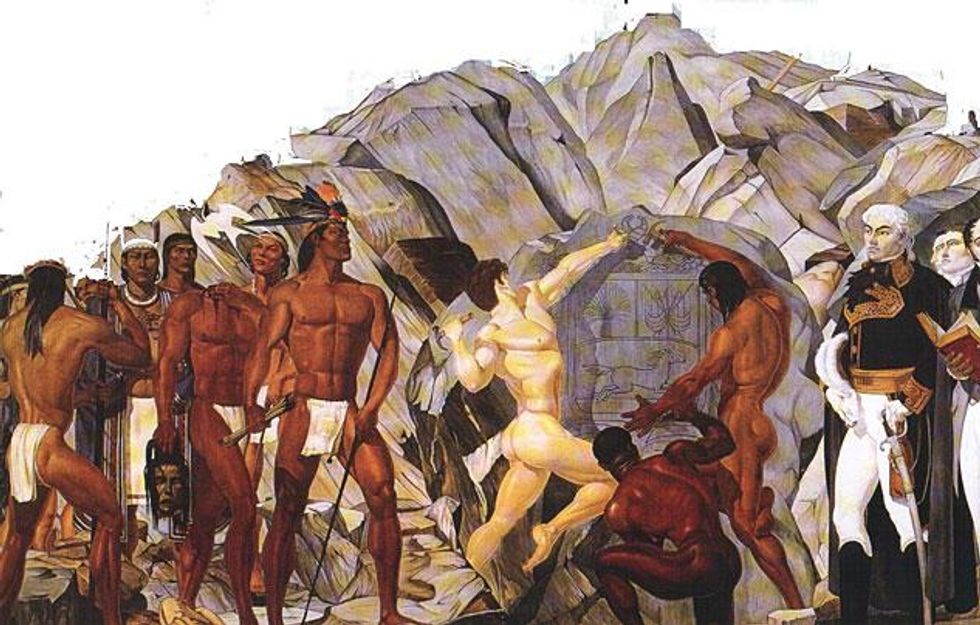
A mural in Venezuela completed in 1958, and detail of work in progress below
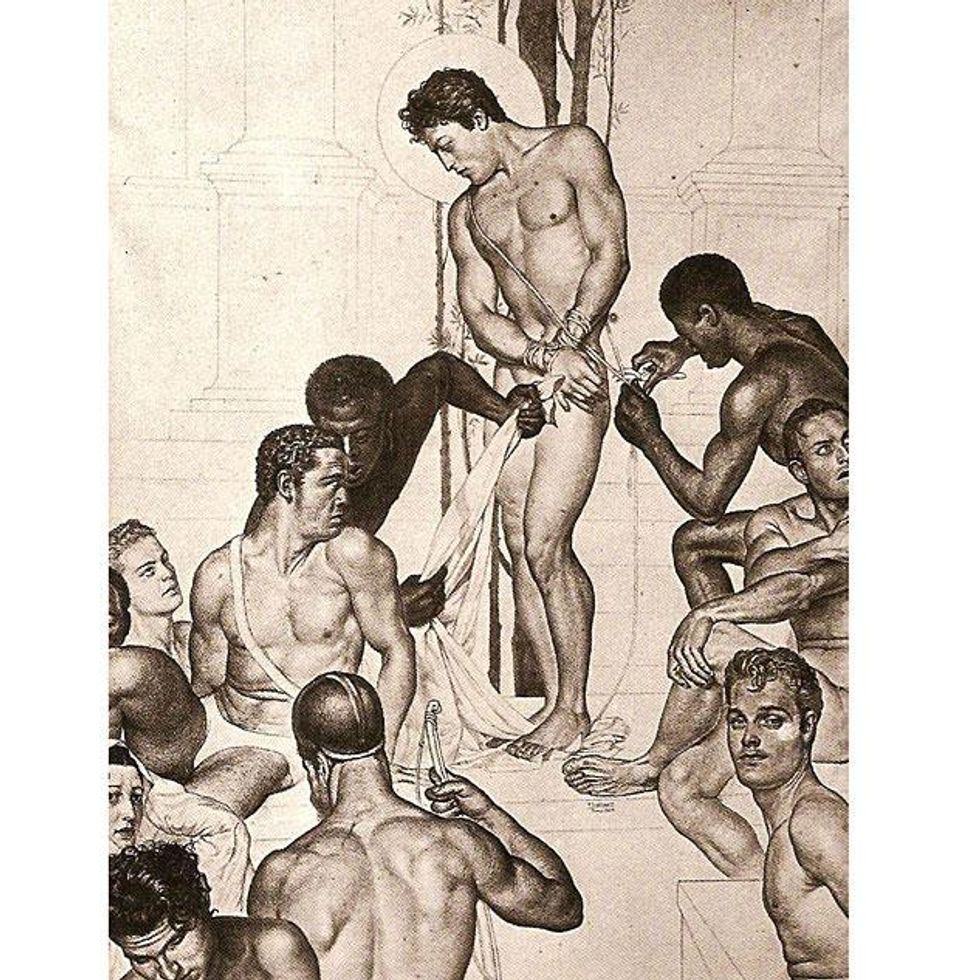
San Sebastian
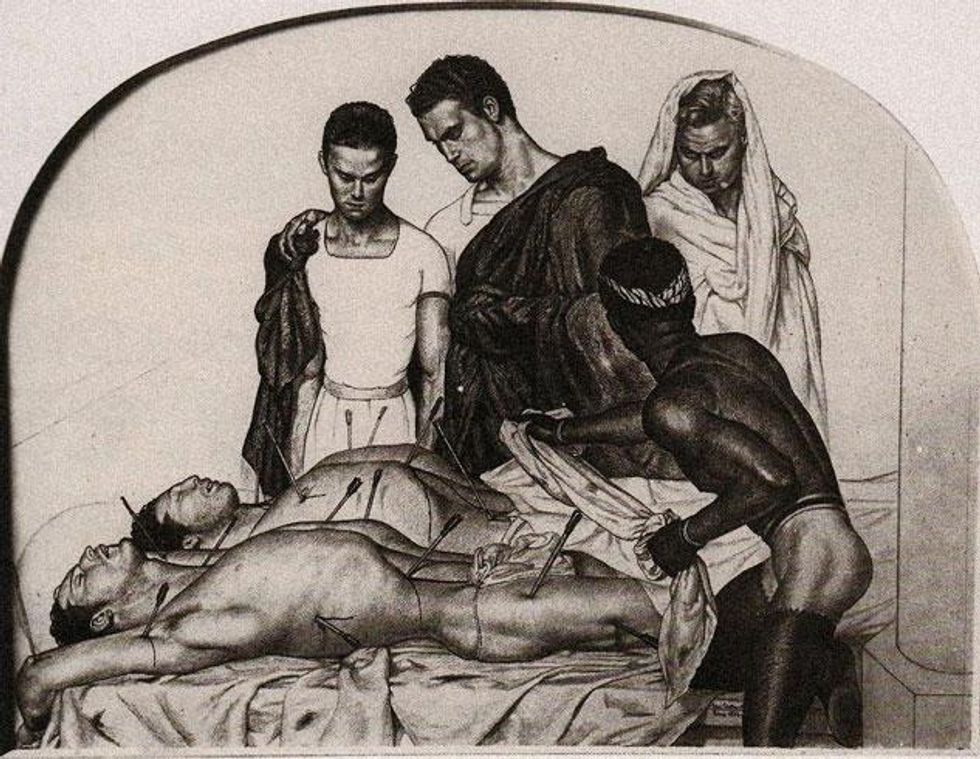
San Sebastian
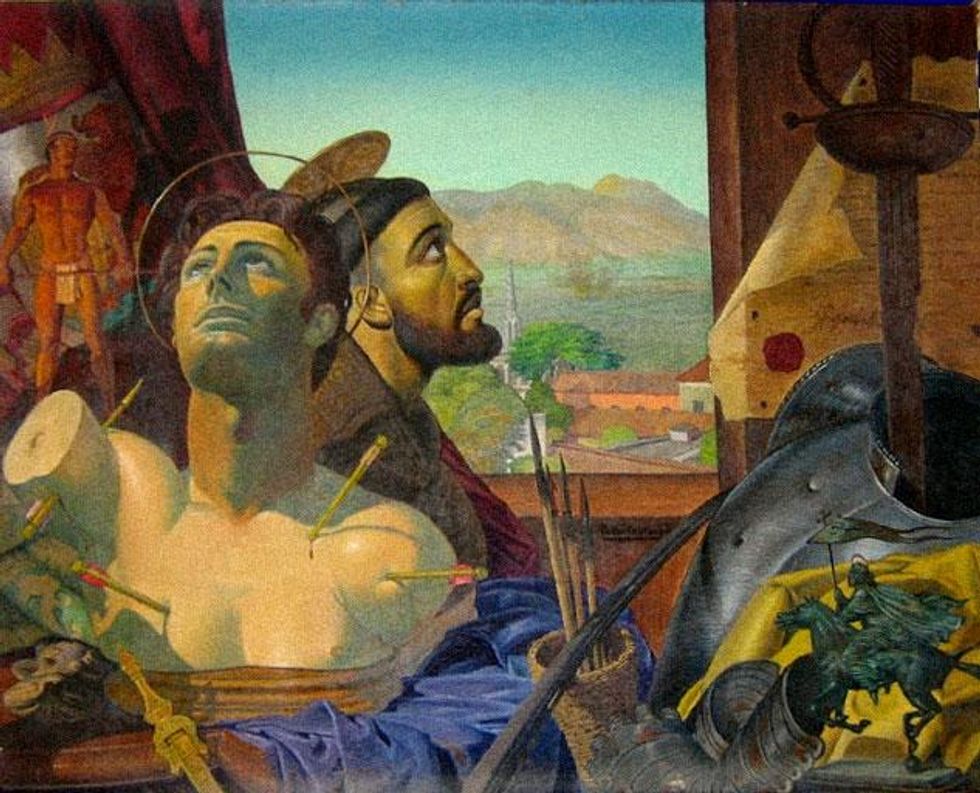
San Sebastian
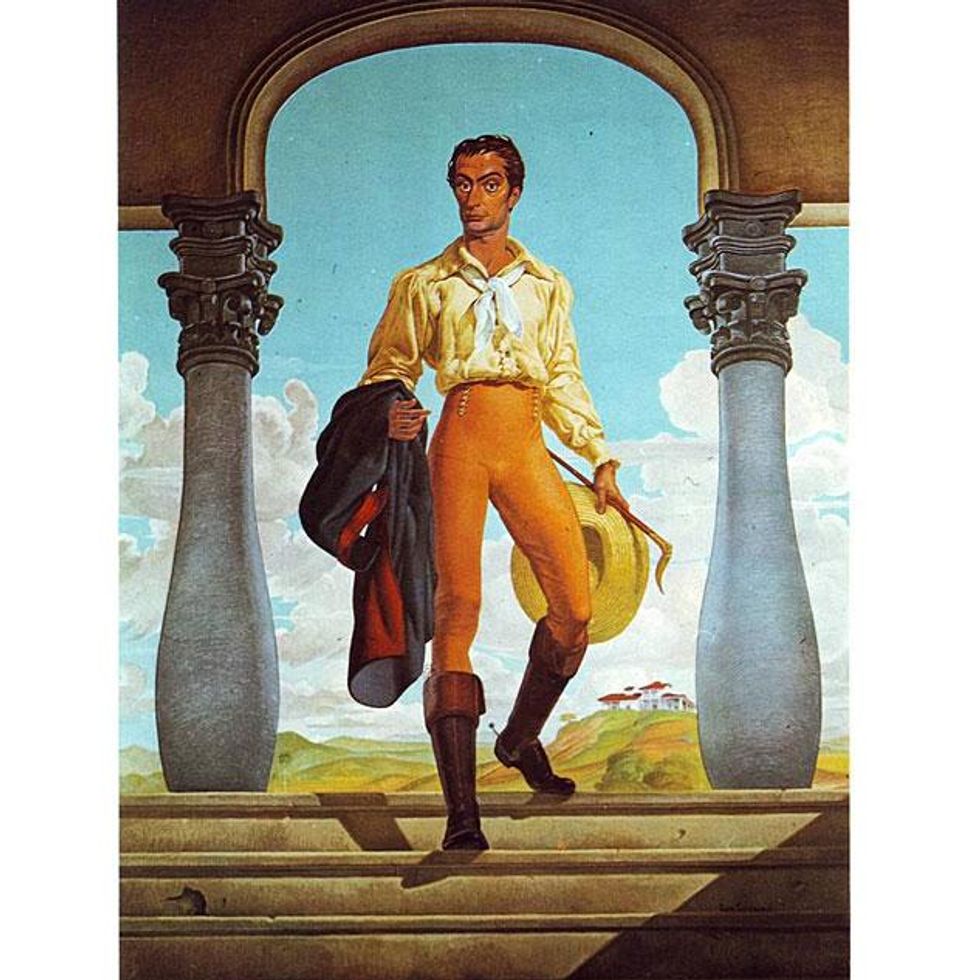
Simon Bolivar
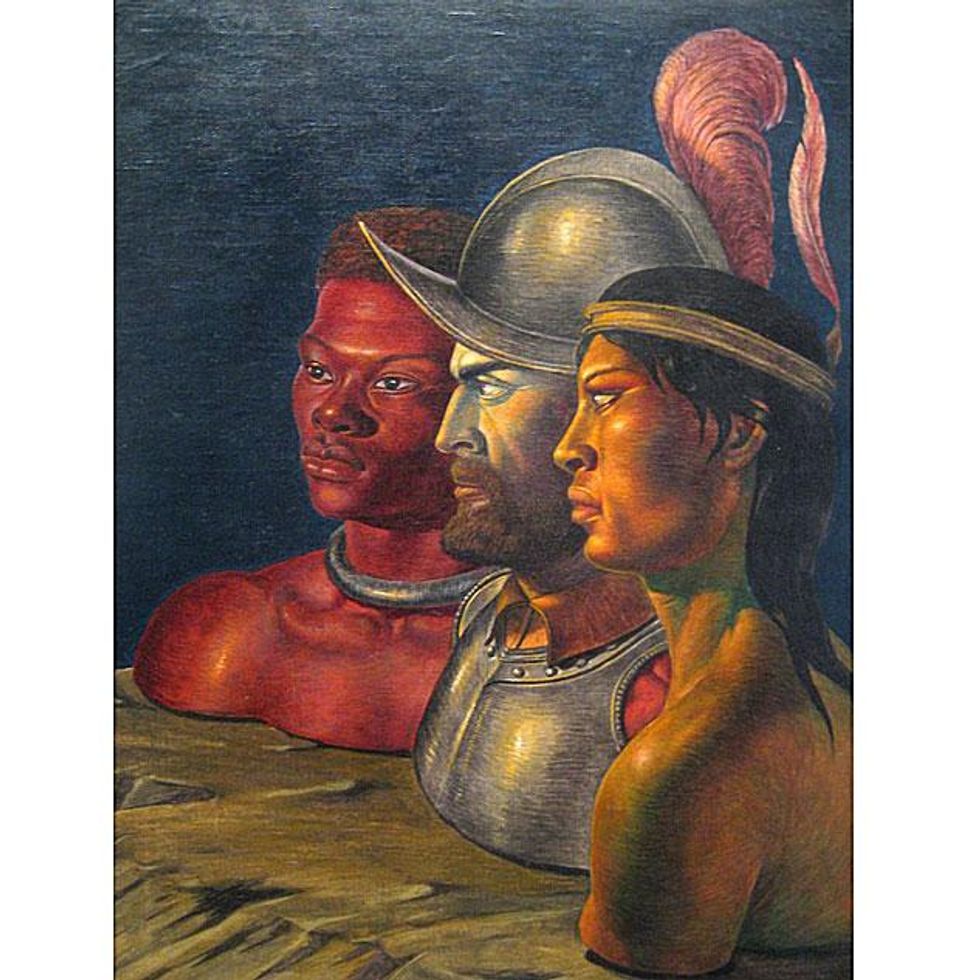
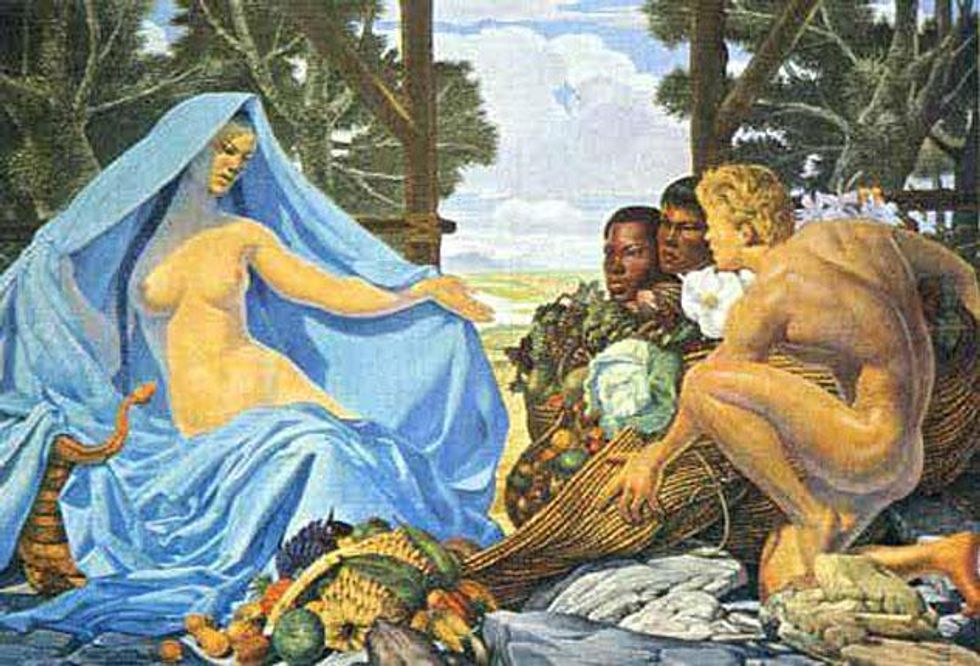
Las Tres Razas, 1946
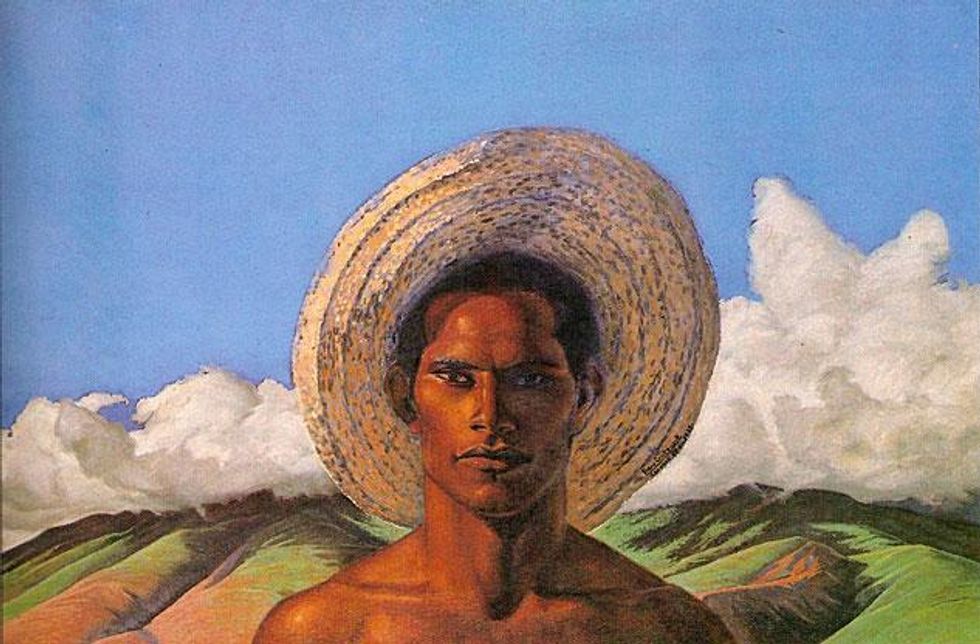
El Guajiro, 1938
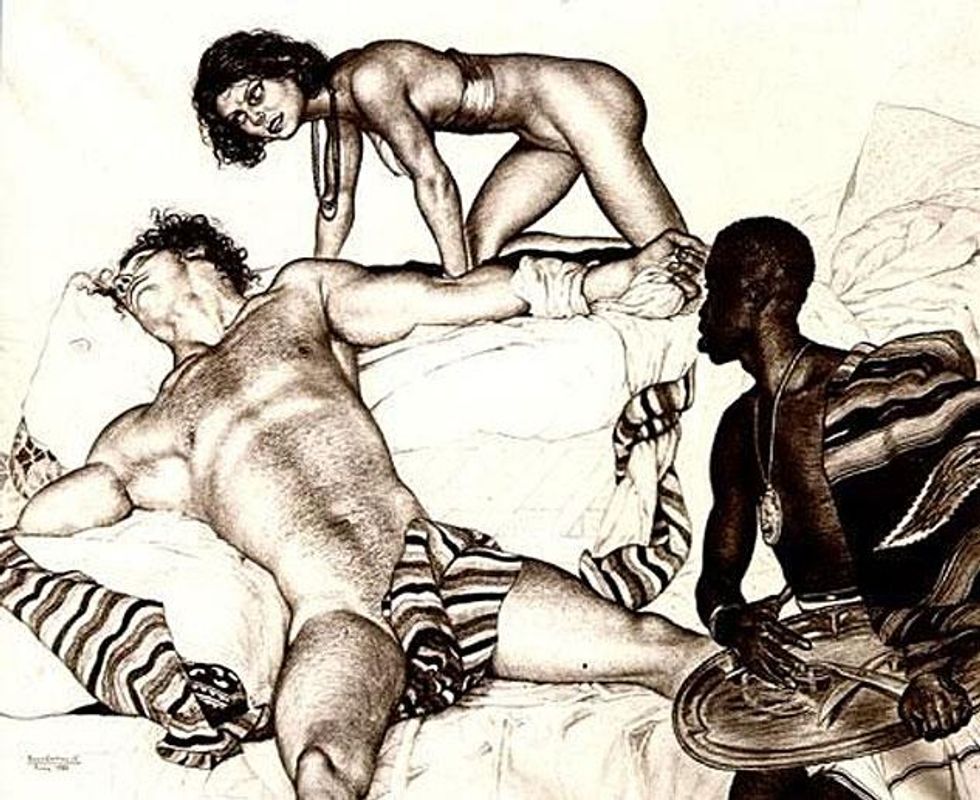
Sanson y Dalila
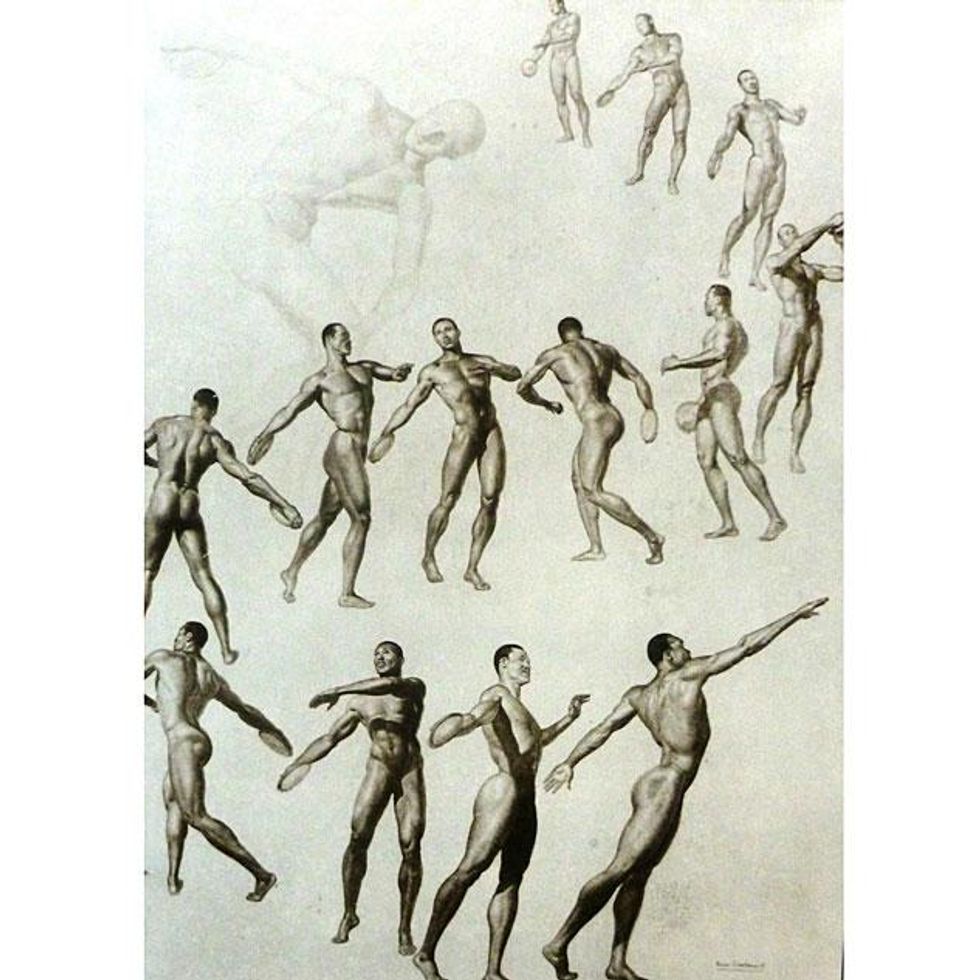
Estudio de Anatomia Humana
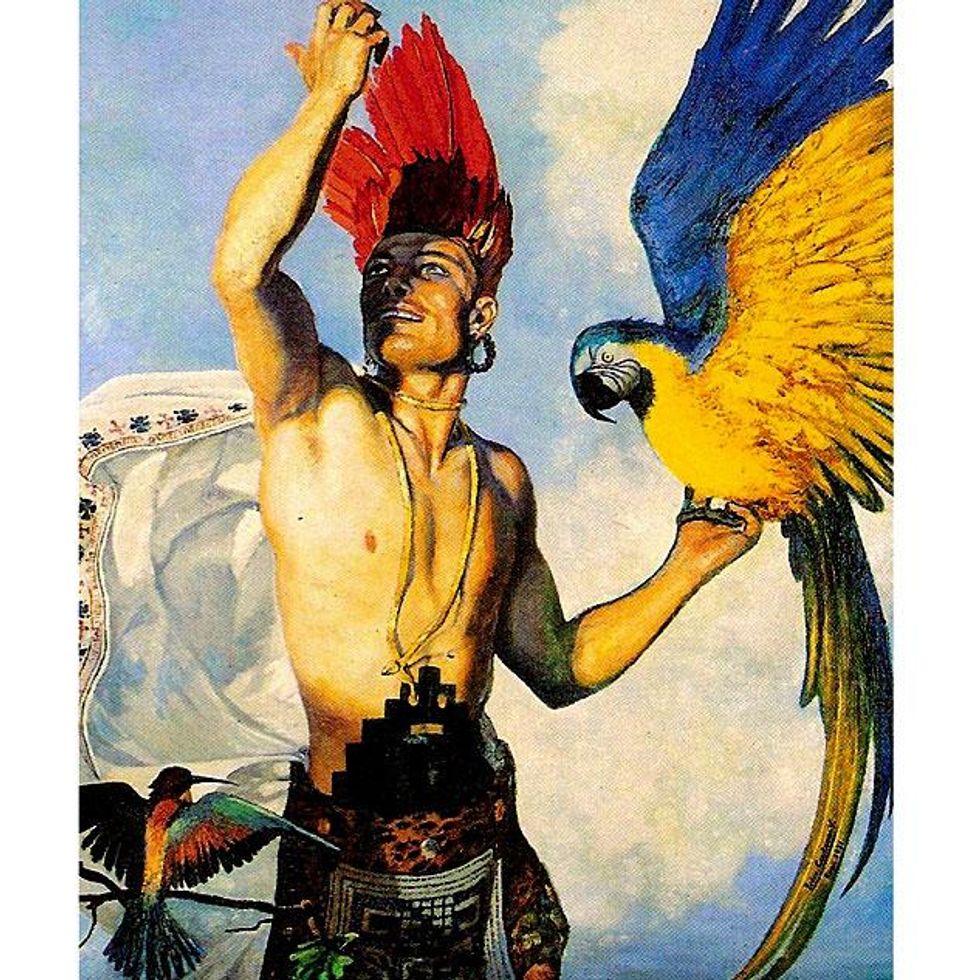
Quetzalcohuatl, 1931
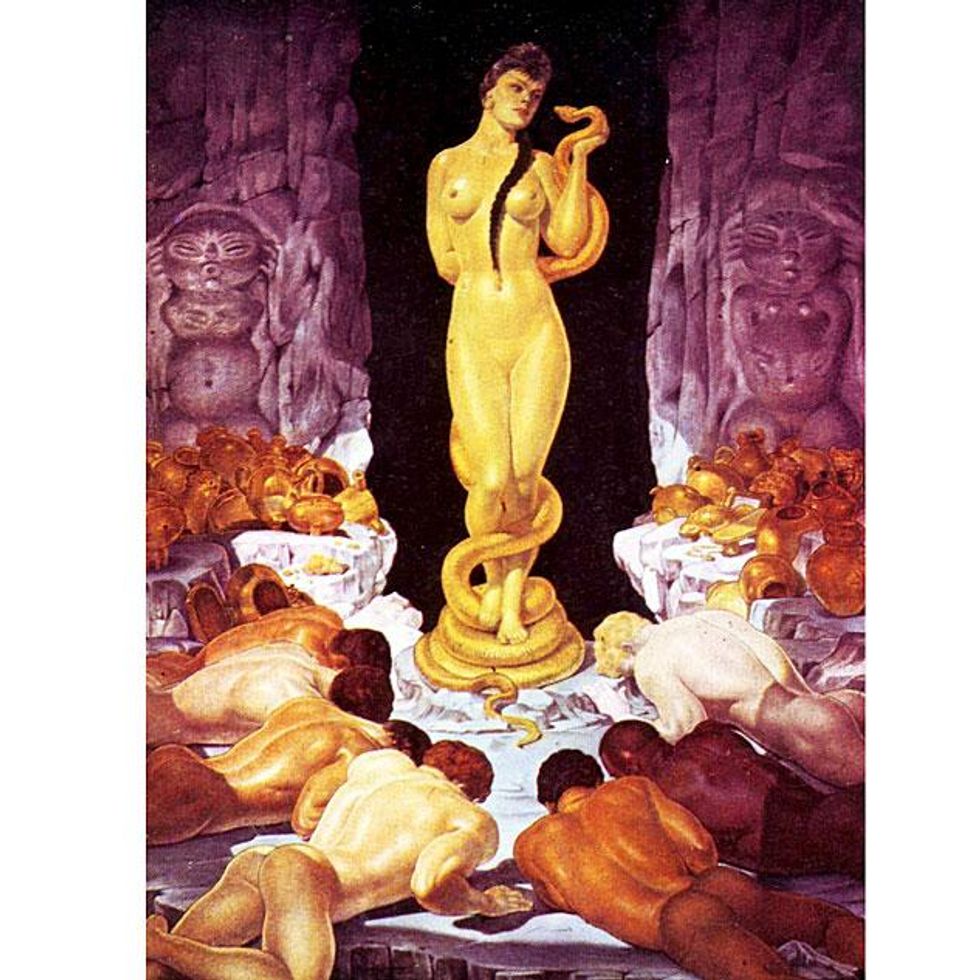
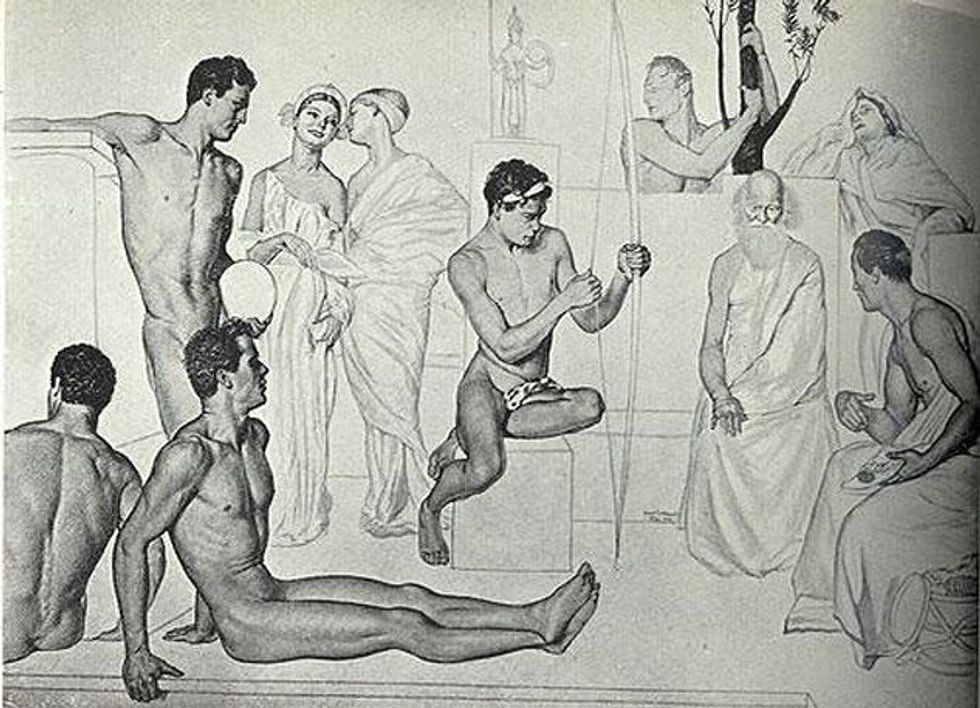
Impressions of Greece, 1933
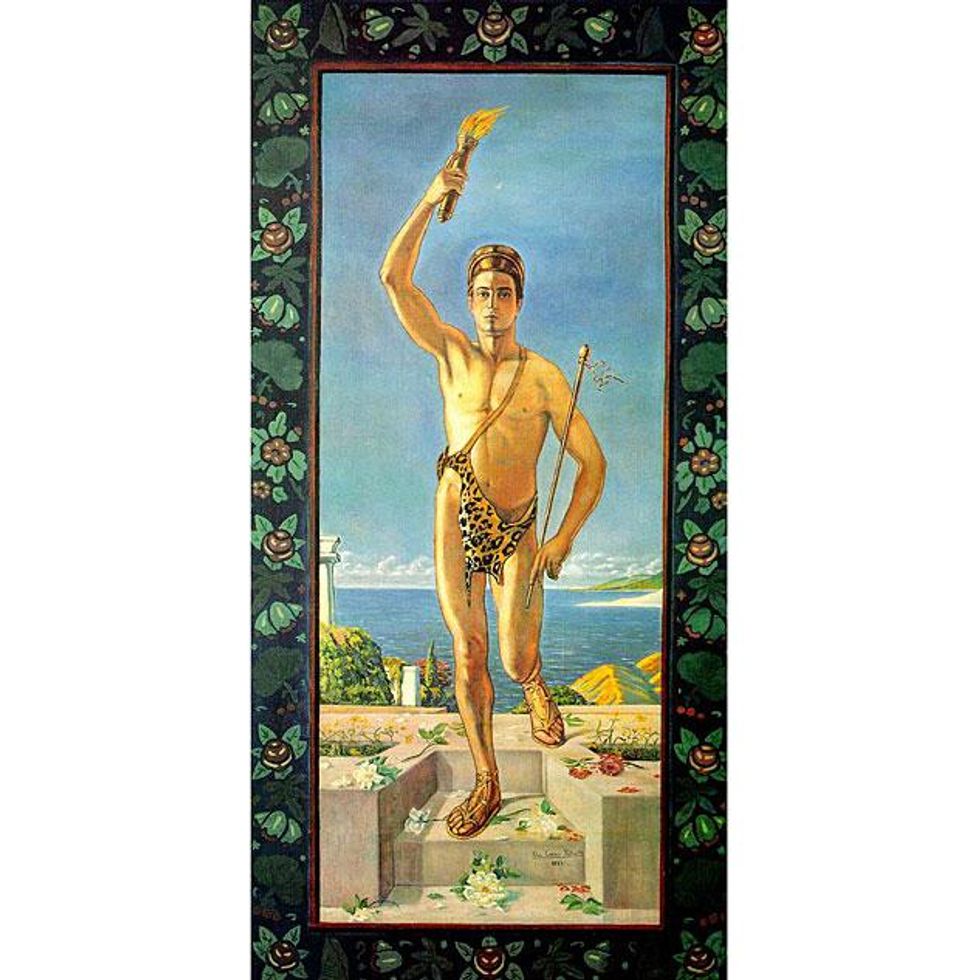
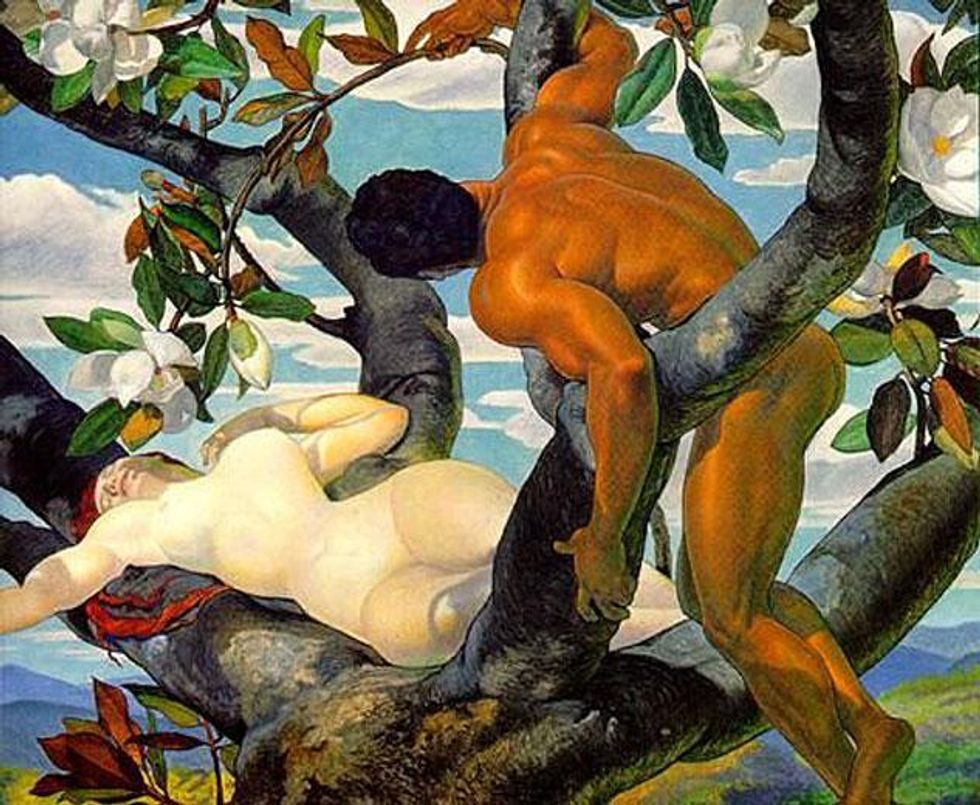
Magnolias
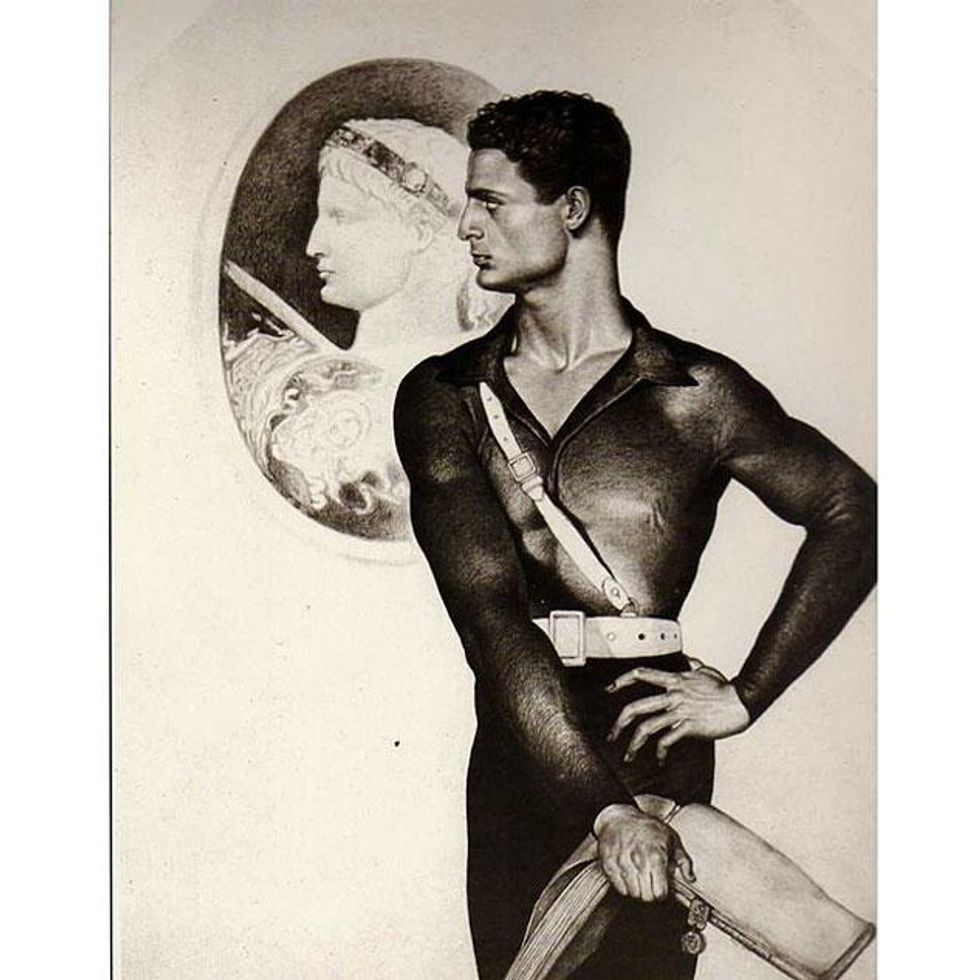
La Estirpe, 1935
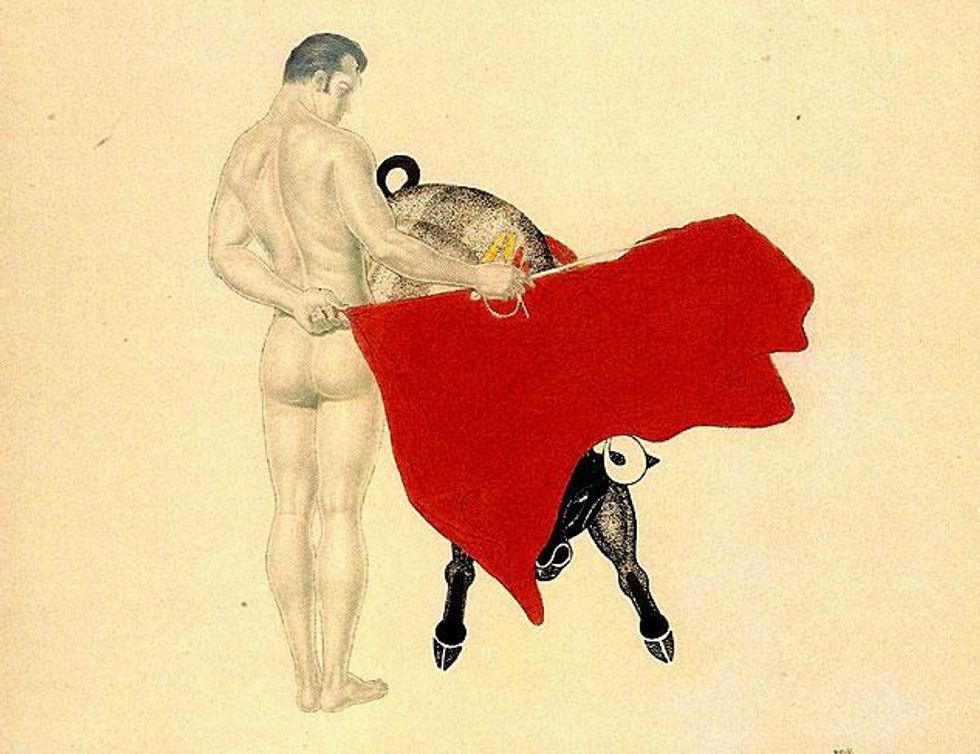
Tauromaquia