'%3E%3Cpath d='M16.3574 35.6519H12.9537L15.0491 18.8873L16.3574 35.6519ZM30.4229 54.0093L22.309 0.994385H7.91795L0 54.0093H10.6634L11.5802 46.3855H17.4014L17.9914 54.0093H30.4229Z' fill='%23971B20'/%3E%3Cpath d='M48.2073 41.8813C48.2073 43.4049 47.4892 44.0011 46.1144 44.0011H43.7595V11.0687H46.1144C47.4892 11.0687 48.2073 11.6636 48.2073 13.1885V41.8813ZM59.5273 43.6695V11.3326C59.5273 3.71323 53.5729 0.994385 47.8157 0.994385H31.7213V54.0093H47.8157C53.5729 54.0093 59.5273 51.29 59.5273 43.6695Z' fill='%23971B20'/%3E%3Cpath d='M90.183 0.994385H78.6039L75.0711 30.6157L71.9955 0.994385H59.4346L69.2474 54.0093H80.373L90.183 0.994385Z' fill='%23971B20'/%3E%3Cpath d='M107.063 42.3448C107.063 43.7359 105.951 44.5974 104.643 44.5974C103.269 44.5974 102.157 43.7359 102.157 42.3448V12.658C102.157 11.2676 103.269 10.4058 104.643 10.4058C105.951 10.4058 107.063 11.2676 107.063 12.658V42.3448ZM119.233 43.2723V11.7312C119.233 6.36384 112.952 -3.8147e-06 104.643 -3.8147e-06C96.2667 -3.8147e-06 89.9867 6.36384 89.9867 11.7312V43.2723C89.9867 48.6393 96.2667 55 104.643 55C112.952 55 119.233 48.6393 119.233 43.2723Z' fill='%23971B20'/%3E%3Cpath d='M150.976 43.9349V33.7309H139.069V42.3448C139.069 43.7359 137.957 44.5974 136.582 44.5974C135.076 44.5974 133.964 43.7359 133.964 42.3448V12.658C133.964 11.2676 135.076 10.4058 136.582 10.4058C137.957 10.4058 139.069 11.2676 139.069 12.658V21.2723H150.976V11.0687C150.976 5.70107 145.283 -3.8147e-06 136.582 -3.8147e-06C127.75 -3.8147e-06 121.796 5.70107 121.796 11.0687V43.9349C121.796 49.3022 127.75 55 136.582 55C145.283 55 150.976 49.3022 150.976 43.9349Z' fill='%23971B20'/%3E%3Cpath d='M167.478 35.6519H164.076L166.17 18.8873L167.478 35.6519ZM181.544 54.0093L173.432 0.994385H159.037L151.123 54.0093H161.785L162.704 46.3855H168.523L169.114 54.0093H181.544Z' fill='%23971B20'/%3E%3Cpath d='M205.412 10.4058V0.994385H177.081V10.4058H185.392V54.0093H197.428V10.4058H205.412Z' fill='%23971B20'/%3E%3Cpath d='M230.002 54.0093V43.9349H218.914V31.8746H226.635V21.8028H218.914V10.4058H230.002V0.994385H206.875V54.0093H230.002Z' fill='%23971B20'/%3E%3C/g%3E%3Cdefs%3E%3CclipPath id='clip0_260_7080'%3E%3Crect width='230' height='55' fill='white'/%3E%3C/clipPath%3E%3C/defs%3E%3C/svg%3E)


Telling stories like Sir Lady Java’s is exactly why archivist, publisher, and rare bookseller Daylonn Orr started Fugitive Materials in 2020.
Sir Lady Java was a Black transgender performer and activist in Los Angeles, originally from the New Orleans area, who transitioned in the late 1950s. The talented beauty became a popular fixture of Black and underground nightlife in L.A. for many years, and was even featured in Jet and Ebony magazines. She was also the first trans person to ever be represented by the ACLU in 1967, after police shut down her act at Redd Foxx’s nightclub due to violating “Rule 9” — a local ordinance banning performers from “impersonating” the opposite sex.
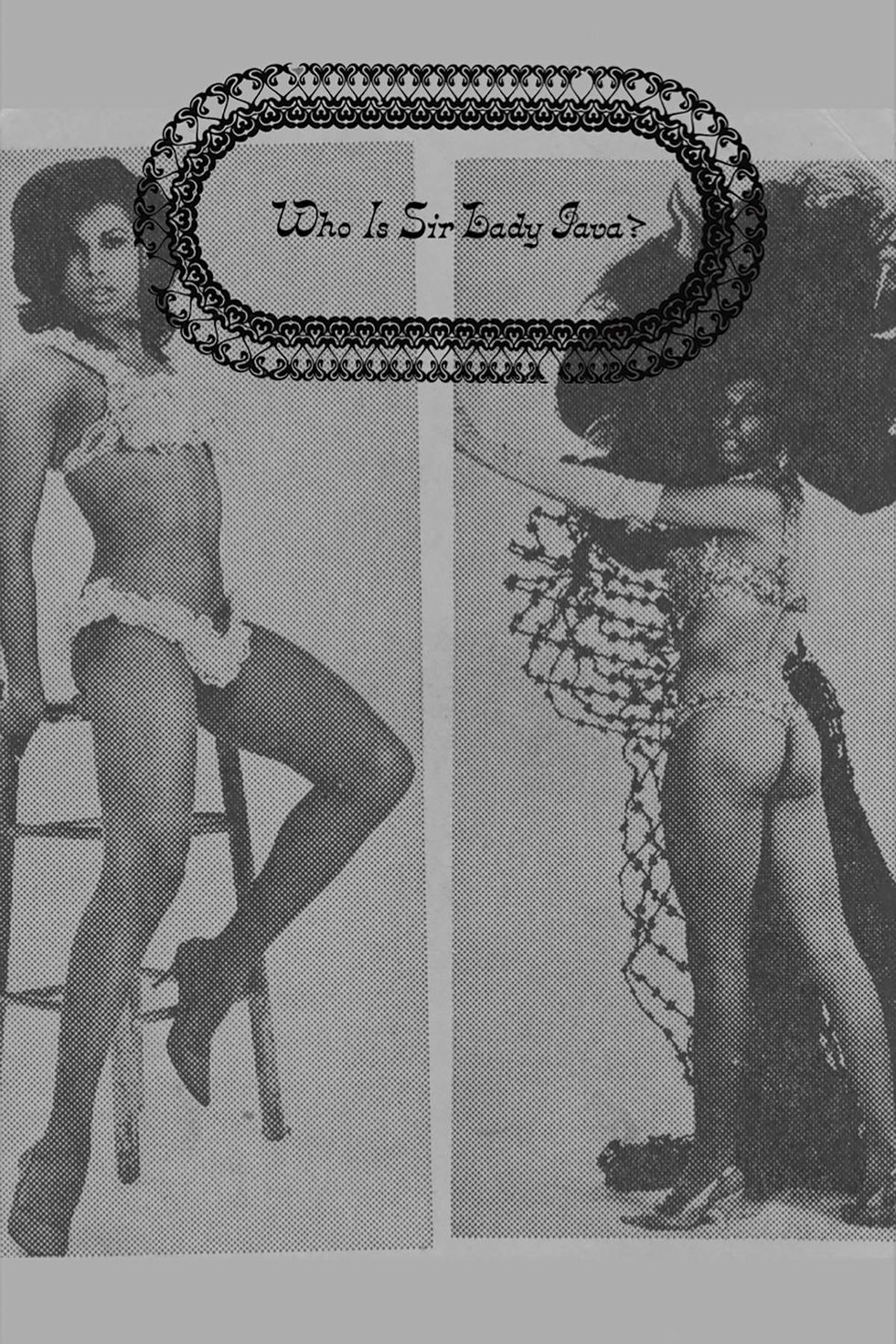 Fugitive Materials zine on Sir Lady Javacourtesy Fugitive Materials
“We were able to work with some of the archives related to her career and placed those with a university,” says Orr. “But she’s so underdocumented, understudied, and underrecognized. So that’s part of what prompts the publishing.… We like to do zines and items that are cheap and affordable for all sorts of people to then interact with these histories. I think it’s really, really important.”
In a time when the histories of queer folks, feminists, people of color, and others who don’t fit the far-right agenda are being systematically and purposefully erased, documenting and preserving our stories has become more vital than ever. Fortunately, Orr’s independent archiving organization is doing just that.
Based in Brooklyn, New York, Fugitive Materials “is committed to the preservation of radical, lesser-known, and alternative histories, and to the disruption of informational privilege through archiving, publishing, and bookselling,” as its website states. “We specialize in global material cultures of resistance: the detritus of radical social movements, queer histories, counterculture, pedagogy, urbanism, uprisings, and art.”
 An ACT UP poster from 1987courtesy Fugitive Materials
In addition to being a trusted resource that creates complete archive collections for universities and museums around the world, Fugitive Materials, a member of the Antiquarian Booksellers Association of America, also buys and sells rare vintage books, periodicals, photographs, and other historical ephemera. It also publishes its own books, zines, and catalogs, often inspired by the archival materials currently in its care.
“I wanted to focus more specifically on the sort of materials that have been underrepresented in the book trade and in libraries and university archives,” he says. “And so that’s queer archives [and] also underground, oppositional, non-Western materials. There’s a lot of American and a lot of European stuff that finds its way into university archives, and there’s a lot less Latin American and Southwest Asian materials. And so that’s also something that we try to focus on, these sort of lesser-told stories of conflict. Even when I was working with other people, I was always working on 20th-century materials, so I was never really the guy holding Columbus’s map or Thomas Jefferson’s letters or whatever.”
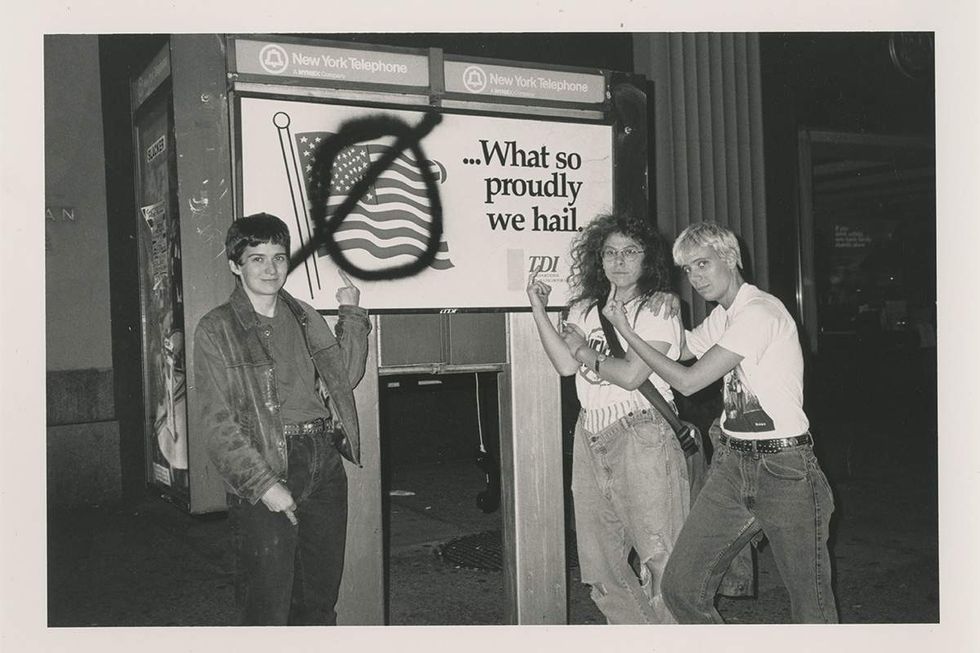 Photo from the Arrested Images collection, the official archive of street activist and photographer Dona Ann McAdams.archive of Dona Ann McAdams/courtesy Fugitive Materials
Orr says another enormously rewarding aspect of his work has been getting to meet and speak with some of the actual people who lived these histories, which are experiences he holds close to his heart.
“Actually, two of the people I interviewed [on former podcast Fugitive Materials Radio] are people I had worked with for a long time and have since passed,” he recalls. “One archive that we placed last year was the archive of a member of the Janes, the pre-Roe abortion service in Chicago that was run entirely by women.”
Orr says while working with the Jane member on the archive, which ended up being placed with Princeton University, the two had “dozens of conversations,” illustrating the importance of speaking our stories in addition to preserving physical materials.
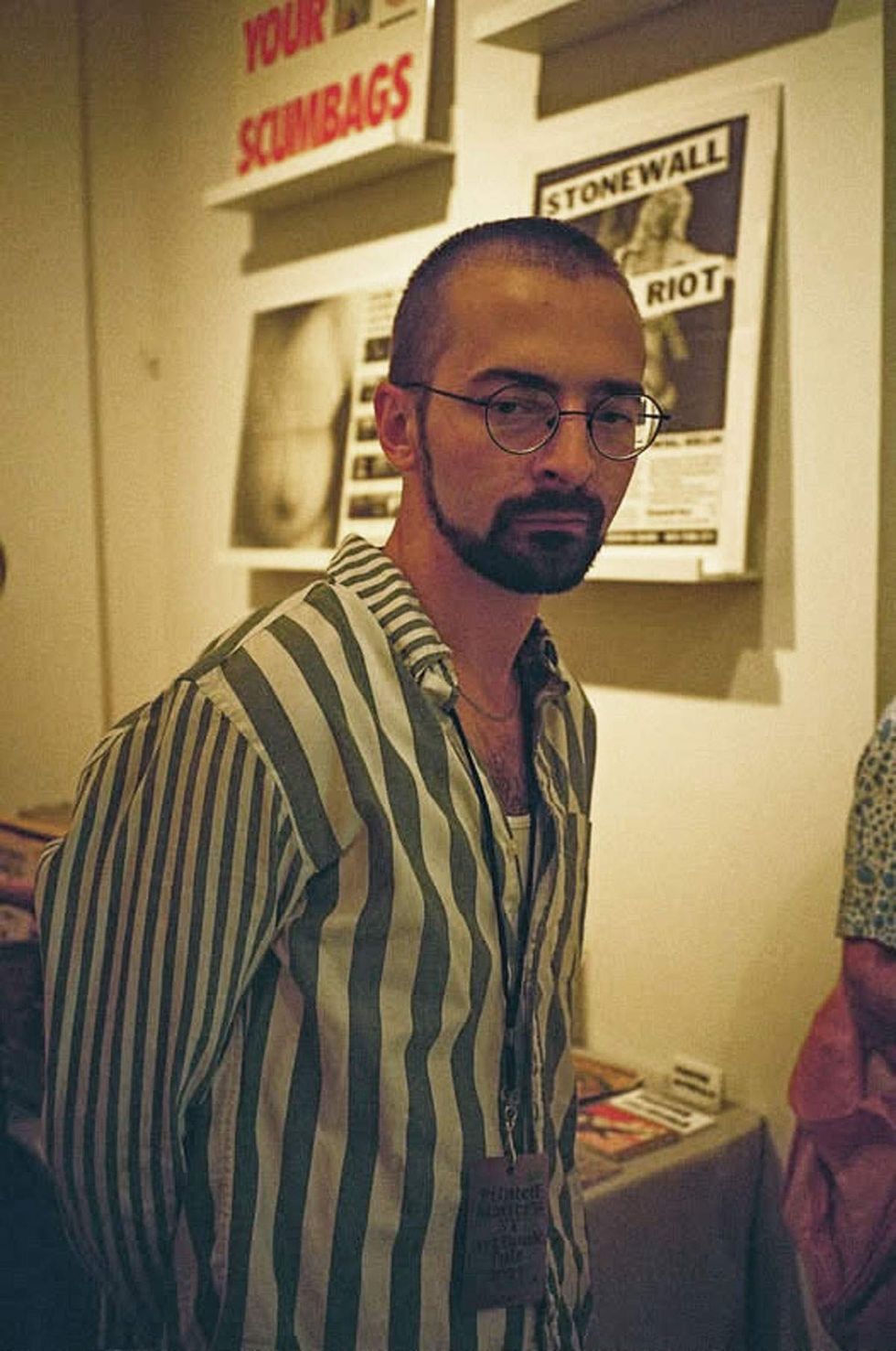 Fugitive Materials founder Daylonn Orrcourtesy Daylonn Orr
“It’s nice that there’s a recorded conversation where she gets to share her history. She passed in December of last year. And so that’s also one thing I talk to people about often, is sort of thinking about oral histories and how can we add depth to these material histories.”
Ultimately, Orr says it’s his own desire to continue discovering fascinating, lesser-known stories like these — and share them with the world — that excites and motivates him to keep doing what he’s doing.
“I mean, that’s a big part of why I like it. I’m always learning and getting to engage with new histories, and at the end of it, sort of historicizing it and making sure it’s preserved for future generations of researchers and activists and artists — and just young people, or people of all ages, who might be inspired by these histories.”
This article is part of The Advocate's July-Aug 2026 print issue, on newsstands July 7. Support queer media and subscribe — or download the issue now through Apple News+, Zinio, Nook, or PressReader.