'%3E%3Cpath d='M16.3574 35.6519H12.9537L15.0491 18.8873L16.3574 35.6519ZM30.4229 54.0093L22.309 0.994385H7.91795L0 54.0093H10.6634L11.5802 46.3855H17.4014L17.9914 54.0093H30.4229Z' fill='%23971B20'/%3E%3Cpath d='M48.2073 41.8813C48.2073 43.4049 47.4892 44.0011 46.1144 44.0011H43.7595V11.0687H46.1144C47.4892 11.0687 48.2073 11.6636 48.2073 13.1885V41.8813ZM59.5273 43.6695V11.3326C59.5273 3.71323 53.5729 0.994385 47.8157 0.994385H31.7213V54.0093H47.8157C53.5729 54.0093 59.5273 51.29 59.5273 43.6695Z' fill='%23971B20'/%3E%3Cpath d='M90.183 0.994385H78.6039L75.0711 30.6157L71.9955 0.994385H59.4346L69.2474 54.0093H80.373L90.183 0.994385Z' fill='%23971B20'/%3E%3Cpath d='M107.063 42.3448C107.063 43.7359 105.951 44.5974 104.643 44.5974C103.269 44.5974 102.157 43.7359 102.157 42.3448V12.658C102.157 11.2676 103.269 10.4058 104.643 10.4058C105.951 10.4058 107.063 11.2676 107.063 12.658V42.3448ZM119.233 43.2723V11.7312C119.233 6.36384 112.952 -3.8147e-06 104.643 -3.8147e-06C96.2667 -3.8147e-06 89.9867 6.36384 89.9867 11.7312V43.2723C89.9867 48.6393 96.2667 55 104.643 55C112.952 55 119.233 48.6393 119.233 43.2723Z' fill='%23971B20'/%3E%3Cpath d='M150.976 43.9349V33.7309H139.069V42.3448C139.069 43.7359 137.957 44.5974 136.582 44.5974C135.076 44.5974 133.964 43.7359 133.964 42.3448V12.658C133.964 11.2676 135.076 10.4058 136.582 10.4058C137.957 10.4058 139.069 11.2676 139.069 12.658V21.2723H150.976V11.0687C150.976 5.70107 145.283 -3.8147e-06 136.582 -3.8147e-06C127.75 -3.8147e-06 121.796 5.70107 121.796 11.0687V43.9349C121.796 49.3022 127.75 55 136.582 55C145.283 55 150.976 49.3022 150.976 43.9349Z' fill='%23971B20'/%3E%3Cpath d='M167.478 35.6519H164.076L166.17 18.8873L167.478 35.6519ZM181.544 54.0093L173.432 0.994385H159.037L151.123 54.0093H161.785L162.704 46.3855H168.523L169.114 54.0093H181.544Z' fill='%23971B20'/%3E%3Cpath d='M205.412 10.4058V0.994385H177.081V10.4058H185.392V54.0093H197.428V10.4058H205.412Z' fill='%23971B20'/%3E%3Cpath d='M230.002 54.0093V43.9349H218.914V31.8746H226.635V21.8028H218.914V10.4058H230.002V0.994385H206.875V54.0093H230.002Z' fill='%23971B20'/%3E%3C/g%3E%3Cdefs%3E%3CclipPath id='clip0_260_7080'%3E%3Crect width='230' height='55' fill='white'/%3E%3C/clipPath%3E%3C/defs%3E%3C/svg%3E)


Have you ever wondered what to do with the piles of Advocate or Out magazines you’ve collected through the years? Or swag you’ve collected at Pride events that you keep in storage boxes in closets? What about those ticket stubs to Melissa Etheridge concerts you kept religiously? LGBTQ+ archives throughout the country seek to create a home for those artifacts to help preserve queer history.
Archives can help people understand that they aren’t alone, archivists say, allowing them to see that queer identities have always been around and are a part of history, even if some of that history has been lost or erased.
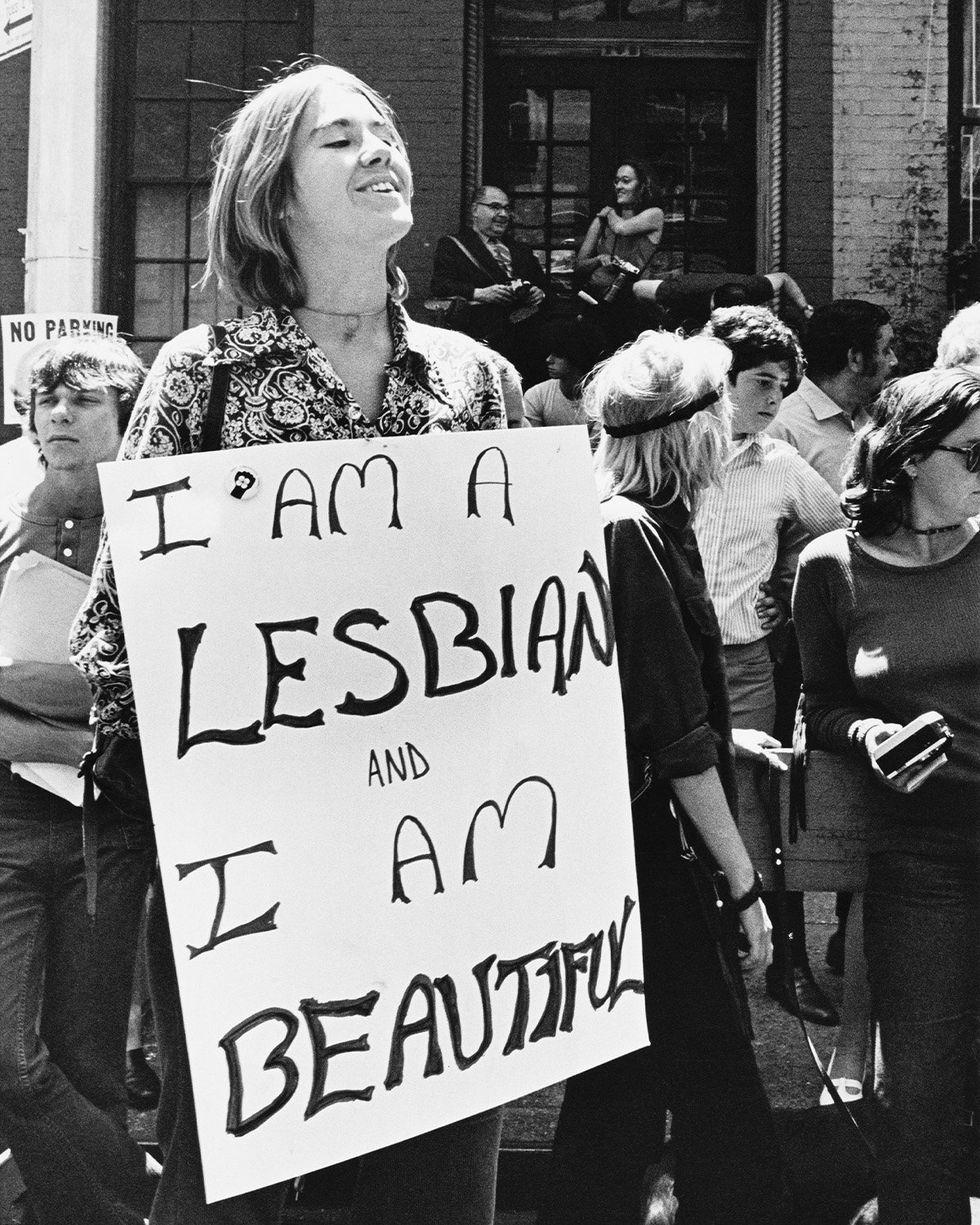 A proud lesbian at the first Stonewall anniversary march in NYC in June 1970.Pictorial Parade/Archive Photos/Getty Images
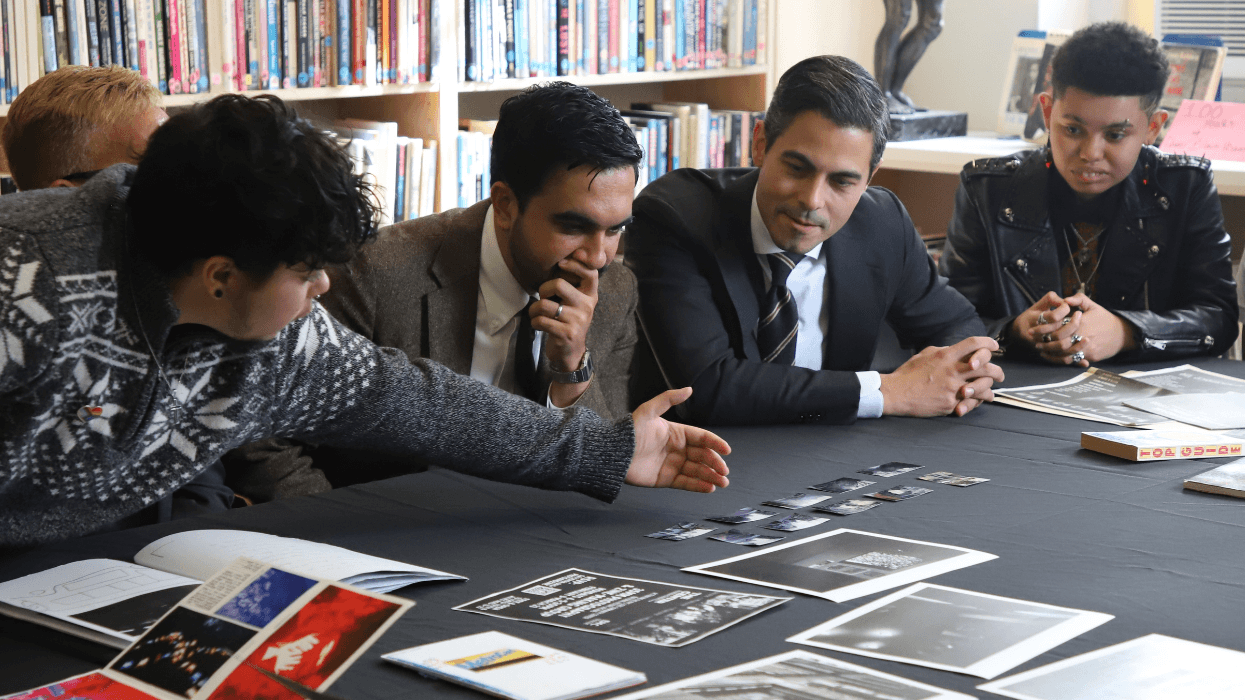
Collecting physical pieces of history is Invisible Histories’ mission. It’s a queer community archive working to preserve LGBTQ+ history in the Deep South. Maigen Sullivan and Joshua Burford are the cofounders and co-executive directors. Their work is finding people and organizations willing to donate their items to help preserve the region’s LGBTQ+ legacies.
Seeing a queer historic record can be enlightening, Burford says. It’s evidence that counters the “misconception that queer identity is only for young adults,” he adds, and it can help bridge generational gaps. Queer history provides an “antidote to the isolation and invisibility” that’s been historically experienced by LGBTQ+ people, while also providing accessible records and a more complete picture of community history beyond major events, Burford says. Archives illustrate that queer people have always been here, surviving, thriving, and existing.
Donations to Invisible Histories have included flyers from the Boybutante Ball, a drag event that began raising funds for the Georgia organization AIDS Athens in 1989. The group also has digitized and transcribed oral histories recorded on cassette tapes by southern LGBTQ+ activist Donna Jo Smith, who interviewed a number of fellow queer rights advocates in the ’80s and ’90s.
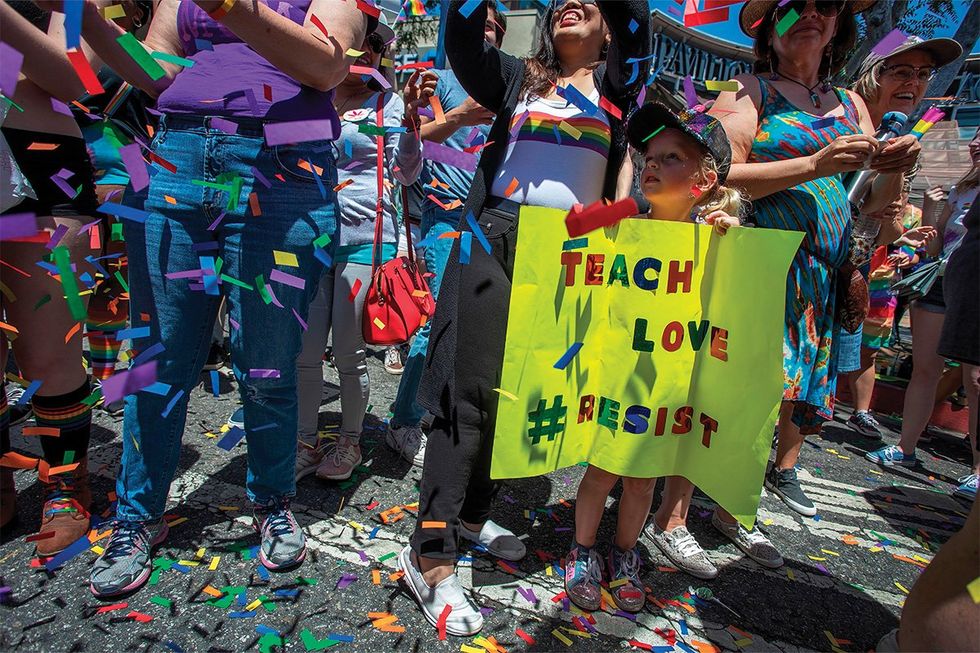 A child holds a sign at the L.A. Pride Parade in West Hollywood, California, in June of 2019. DAVID MCNEW/AFP via Getty Images
Items of value to archives don’t have to be decades old, Sullivan and Burford say. “We are in an incredibly acute historical moment. And so your everyday is also really historically significant both now and in the future,” Sullivan says.
Showing “existence and resistance through archival work” is key to fighting authoritarianism, she adds. “We can go into the archives and show you, ‘Look at all these amazing people and what they did.’ Now, what would you like to do with this information? What would you like to do with this power that we’ve given you to imagine the future?” Burford says.
It’s something that Olivia Newsome, a special collections coordinator with the Lesbian Herstory Archives, echoes. This volunteer-run archive has existed since the early 1970s, with a mission to preserve lesbian history. The organization recently featured on social media a scrapbook showing a woman’s membership card to the Gay Activists Alliance as well as a letter from her mother about accepting her daughter.
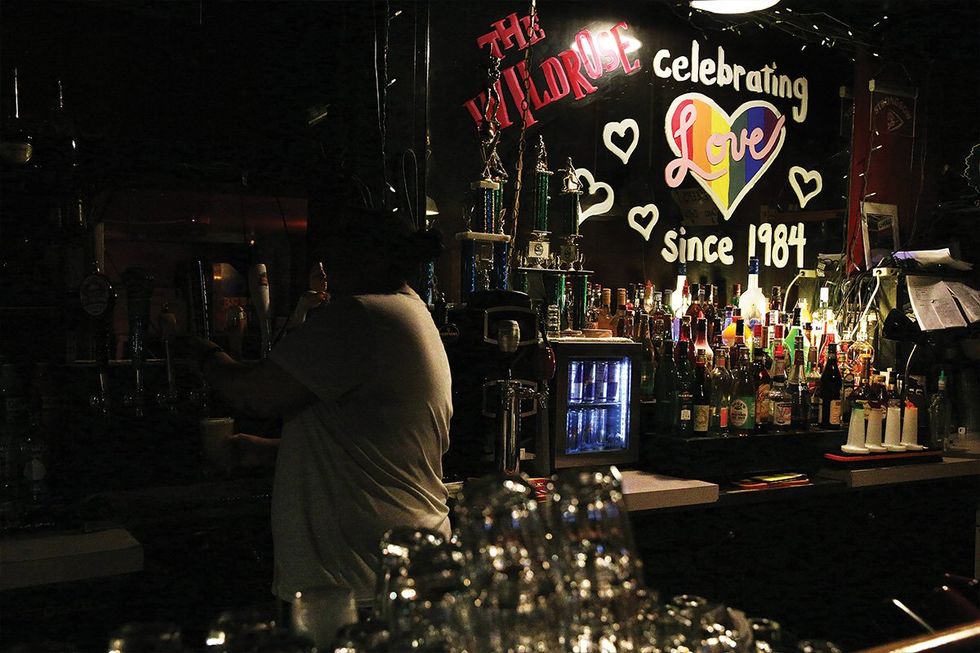 Wildrose has been a mainstay of LGBTQ+ nightlife in Seattle, Washingon, since 1984. GENNA MARTIN/San Francisco Chronicle via Getty Images
“Archiving lesbian history, queer histories, as they are being forcibly removed by fascist regimes … is important to remind people that we exist. Archiving your own life and the lives of those around you can be a radical moment of self-actualization. In a world which tells you not to exist, you can engage in the radical act of literally putting yourself into a broader historical context,” Newsome explains.
Sullivan points out there’s also concern that under the Trump administration — which has made news for erasing queer and trans identities from government web pages and policy — could go after archives in academic spaces. That possibility has spurred Invisible Histories to seek to collaborate with academic archives to ensure these collections remain safe and available for years to come.
Ultimately, donating to and learning from archives can be done by anyone, especially in the current political moment. “Archiving isn’t just for famous people, the wealthy, or for white cishet men,” Newsome says. “Archiving is for us all — your life matters and deserves to be remembered.”
Find out more at InvisibleHistory.org and LesbianHerstoryArchives.org.
This article is part of The Advocate's Sept/Oct 2025 issue, now on newsstands. Support queer media and subscribe — or download the issue through Apple News, Zinio, Nook, or PressReader.