'%3E%3Cpath d='M16.3574 35.6519H12.9537L15.0491 18.8873L16.3574 35.6519ZM30.4229 54.0093L22.309 0.994385H7.91795L0 54.0093H10.6634L11.5802 46.3855H17.4014L17.9914 54.0093H30.4229Z' fill='%23971B20'/%3E%3Cpath d='M48.2073 41.8813C48.2073 43.4049 47.4892 44.0011 46.1144 44.0011H43.7595V11.0687H46.1144C47.4892 11.0687 48.2073 11.6636 48.2073 13.1885V41.8813ZM59.5273 43.6695V11.3326C59.5273 3.71323 53.5729 0.994385 47.8157 0.994385H31.7213V54.0093H47.8157C53.5729 54.0093 59.5273 51.29 59.5273 43.6695Z' fill='%23971B20'/%3E%3Cpath d='M90.183 0.994385H78.6039L75.0711 30.6157L71.9955 0.994385H59.4346L69.2474 54.0093H80.373L90.183 0.994385Z' fill='%23971B20'/%3E%3Cpath d='M107.063 42.3448C107.063 43.7359 105.951 44.5974 104.643 44.5974C103.269 44.5974 102.157 43.7359 102.157 42.3448V12.658C102.157 11.2676 103.269 10.4058 104.643 10.4058C105.951 10.4058 107.063 11.2676 107.063 12.658V42.3448ZM119.233 43.2723V11.7312C119.233 6.36384 112.952 -3.8147e-06 104.643 -3.8147e-06C96.2667 -3.8147e-06 89.9867 6.36384 89.9867 11.7312V43.2723C89.9867 48.6393 96.2667 55 104.643 55C112.952 55 119.233 48.6393 119.233 43.2723Z' fill='%23971B20'/%3E%3Cpath d='M150.976 43.9349V33.7309H139.069V42.3448C139.069 43.7359 137.957 44.5974 136.582 44.5974C135.076 44.5974 133.964 43.7359 133.964 42.3448V12.658C133.964 11.2676 135.076 10.4058 136.582 10.4058C137.957 10.4058 139.069 11.2676 139.069 12.658V21.2723H150.976V11.0687C150.976 5.70107 145.283 -3.8147e-06 136.582 -3.8147e-06C127.75 -3.8147e-06 121.796 5.70107 121.796 11.0687V43.9349C121.796 49.3022 127.75 55 136.582 55C145.283 55 150.976 49.3022 150.976 43.9349Z' fill='%23971B20'/%3E%3Cpath d='M167.478 35.6519H164.076L166.17 18.8873L167.478 35.6519ZM181.544 54.0093L173.432 0.994385H159.037L151.123 54.0093H161.785L162.704 46.3855H168.523L169.114 54.0093H181.544Z' fill='%23971B20'/%3E%3Cpath d='M205.412 10.4058V0.994385H177.081V10.4058H185.392V54.0093H197.428V10.4058H205.412Z' fill='%23971B20'/%3E%3Cpath d='M230.002 54.0093V43.9349H218.914V31.8746H226.635V21.8028H218.914V10.4058H230.002V0.994385H206.875V54.0093H230.002Z' fill='%23971B20'/%3E%3C/g%3E%3Cdefs%3E%3CclipPath id='clip0_260_7080'%3E%3Crect width='230' height='55' fill='white'/%3E%3C/clipPath%3E%3C/defs%3E%3C/svg%3E)

Newscasters. Columnists. Professors. Flight attendants. Comic writers. Late-night talk show hosts.
Dozens of people have lost their jobs in the past week for criticizing Charlie Kirk in the wake of his death, some after conservatives mobilized online to find and report posts they deemed were not sufficiently mournful. Many of these people have been reprimanded not because they advocated violence, but simply because they posted Kirk's own words.
Most recently, Jimmy Kimmel's late-night show was suspended indefinitely by ABC after the Federal Communications Commission pressured the network over a joke the host made. Again, Kimmel did not mock Kirk, but stated, "the MAGA Gang [is] desperately trying to characterize this kid who murdered Charlie Kirk as anything other than one of them and doing everything they can to score political points from it.”
While ABC is within its right to terminate an employee so long as it is not violating their contract, the FCC's involvement complicates matters, as "sometimes the kind of pressure from the FCC could constitute jawboning, and when the pressure is coercive it could be unconstitutional," Elly Brinkley, staff lawyer for PEN America, tells The Advocate.
The reality is, private companies can legally fire you for your speech, including what you post on social media — but that doesn't necessarily mean they should. It ultimately comes down to the difference between freedom of speech under the First Amendment and freedom of speech as an ideal to uphold.
Here's what that means.
What speech does the First Amendment protect?
The First Amendment of the U.S. Constitution prevents government institutions from infringing upon speech. It does not prevent private entities — such as businesses, private universities, or social media platforms — from setting their own internal policies regarding acceptable speech. This includes firing people for remarks deemed racist, homophobic, or other forms of hateful.
"What a lot of people sometimes forget is that the First Amendment only protects people from government infringement on speech," Brinkley says. "If a private employer disciplines you for your speech, that is acceptable under the First Amendment. If a private university disciplines a student for speech, they can also do that. It really has to be a government actor who is doing the censorship."
"Part of the confusion comes from this idea that free speech is a fundamental value in the United States," she adds. "Because there's so many forces beyond government actors that regulate or control speech ... you might think it should be protected under the First Amendment."
Can you be fired for social media posts?
Employers are allowed to terminate employees for speech outside of work or on social media so long as they do not work for the government. Though First Amendment protections for government employees are "not absolute," Brinkley says, and only apply "to people who are speaking in their capacity as private citizens."
As private companies determine their own standards, Brinkley says there "may be legal recourse in certain situations if a company is violating its policies" by firing someone for their speech, but it would not be considered unconstitutional. However, the legality varies by state, as Connecticut has a statute that guarantees First Amendment rights to private employees, and California has the Leonard Law, which extends free speech protections to students at public schools and universities.
While not illegal, punishing students or workers for their speech doesn't align with the "culture of free expression" the U.S. has cultivated, Brinkley says, referencing the several cases of people who have been fired in the past week for making negative comments about Kirk.
Matthew Dowd, a former political analyst for MSNBC, was fired from the network after saying on air that the culture Kirk fostered could have contributed to his death, stating, “Hateful thoughts lead to hateful words which ultimately lead to hateful actions.” Karen Attiah, a former columnist for the Washington Post, revealed on Monday that she was fired after a series of social media posts focused not on Kirk, but the assassinations of Minnesota Rep. Melissa Hortman and her husband, one of which stated, "Part of what keeps America so violent is the insistence that people perform care, empty goodness and absolution for white men who espouse hatred and violence."
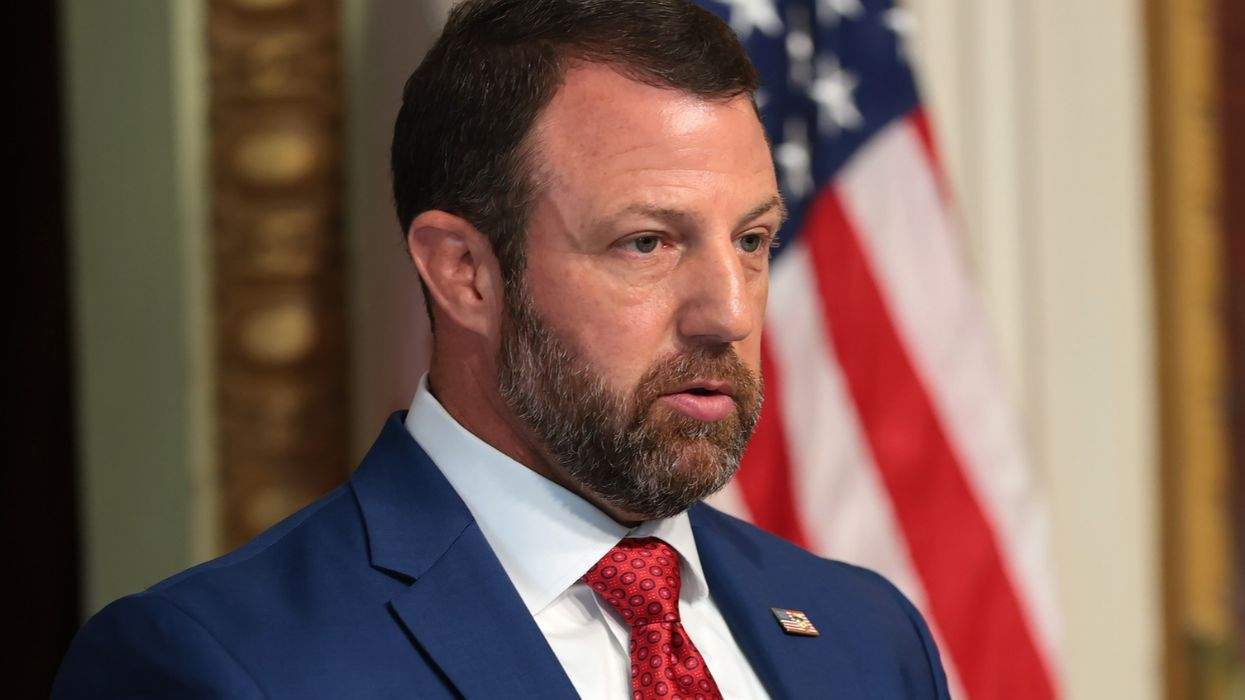
"This is one of the consequences of an administration that is using every opportunity it can to crack down on disfavored speech," Brinkley says. "If saying anything negative about Charlie Kirk after his death is outside of the bounds of what the Trump administration thinks is acceptable, then private institutions may very well be intimidated into cracking down on that speech themselves."
"It's pretty unimaginable that an opinion columnist would be let go for an opinion that she posted on social media," she adds.
Could Trump ban Pride flags?
Because the First Amendment protects against government censorship, law enforcement officers who arrest people for their posts or lawmakers who tell social media platforms to delete certain content are violating the Constitution.
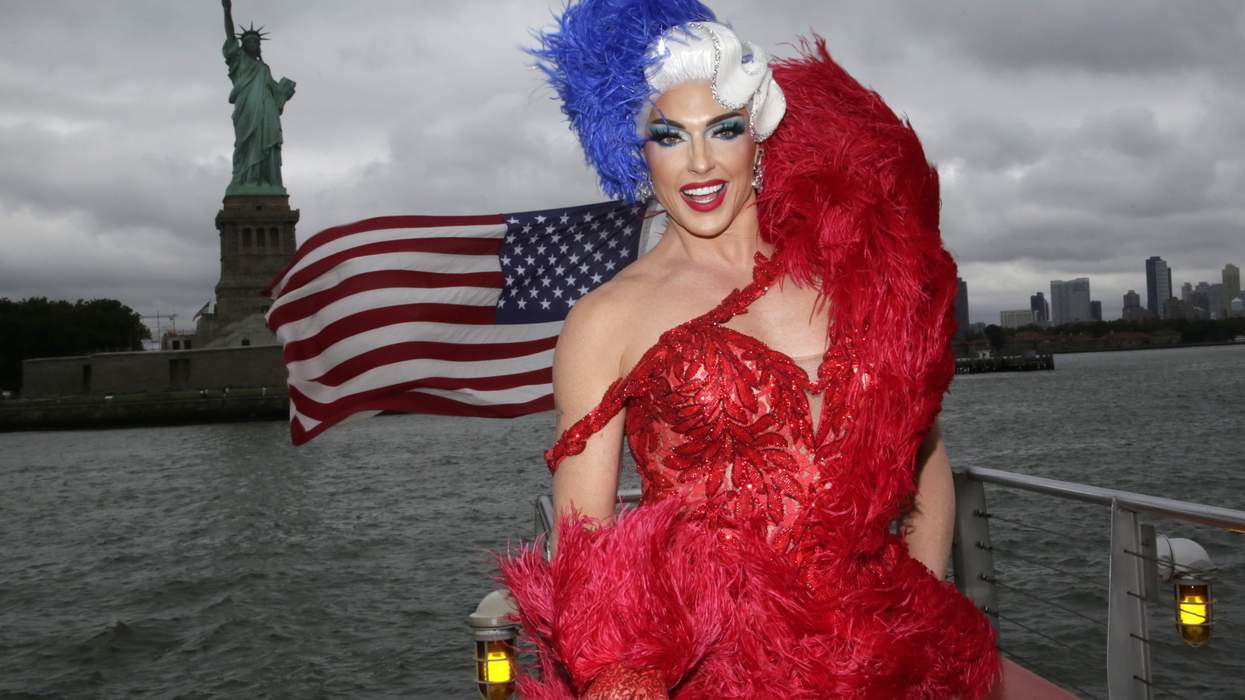
This also applies to Donald Trump's recent claim that he would have “no problem” removing Pride flags from the streets of Washington, D.C, though he acknowledged "they'll sue and they’ll get freedom of speech stuff." The federal government banning Pride flags on private property or telling state governments that they can't fly them would "certainly be unconstitutional," according to Brinkley.
As the Trump administration cracks down on speech it disagrees with from Kirk to Palestine, Brinkley says it's up to nongovernmental institutions to defend people's freedom of speech — something they're failing to do by firing employees based on words.
"Guarding free expression as a culture and not capitulating is really important. Making sure that people are not self-censoring and defending other people's speech is really important," she says. "We face these examples of pressure coming from all different directions that may or may not be technically against the law, but they're certainly polluting our discourse."