'%3E%3Cpath d='M16.3574 35.6519H12.9537L15.0491 18.8873L16.3574 35.6519ZM30.4229 54.0093L22.309 0.994385H7.91795L0 54.0093H10.6634L11.5802 46.3855H17.4014L17.9914 54.0093H30.4229Z' fill='%23971B20'/%3E%3Cpath d='M48.2073 41.8813C48.2073 43.4049 47.4892 44.0011 46.1144 44.0011H43.7595V11.0687H46.1144C47.4892 11.0687 48.2073 11.6636 48.2073 13.1885V41.8813ZM59.5273 43.6695V11.3326C59.5273 3.71323 53.5729 0.994385 47.8157 0.994385H31.7213V54.0093H47.8157C53.5729 54.0093 59.5273 51.29 59.5273 43.6695Z' fill='%23971B20'/%3E%3Cpath d='M90.183 0.994385H78.6039L75.0711 30.6157L71.9955 0.994385H59.4346L69.2474 54.0093H80.373L90.183 0.994385Z' fill='%23971B20'/%3E%3Cpath d='M107.063 42.3448C107.063 43.7359 105.951 44.5974 104.643 44.5974C103.269 44.5974 102.157 43.7359 102.157 42.3448V12.658C102.157 11.2676 103.269 10.4058 104.643 10.4058C105.951 10.4058 107.063 11.2676 107.063 12.658V42.3448ZM119.233 43.2723V11.7312C119.233 6.36384 112.952 -3.8147e-06 104.643 -3.8147e-06C96.2667 -3.8147e-06 89.9867 6.36384 89.9867 11.7312V43.2723C89.9867 48.6393 96.2667 55 104.643 55C112.952 55 119.233 48.6393 119.233 43.2723Z' fill='%23971B20'/%3E%3Cpath d='M150.976 43.9349V33.7309H139.069V42.3448C139.069 43.7359 137.957 44.5974 136.582 44.5974C135.076 44.5974 133.964 43.7359 133.964 42.3448V12.658C133.964 11.2676 135.076 10.4058 136.582 10.4058C137.957 10.4058 139.069 11.2676 139.069 12.658V21.2723H150.976V11.0687C150.976 5.70107 145.283 -3.8147e-06 136.582 -3.8147e-06C127.75 -3.8147e-06 121.796 5.70107 121.796 11.0687V43.9349C121.796 49.3022 127.75 55 136.582 55C145.283 55 150.976 49.3022 150.976 43.9349Z' fill='%23971B20'/%3E%3Cpath d='M167.478 35.6519H164.076L166.17 18.8873L167.478 35.6519ZM181.544 54.0093L173.432 0.994385H159.037L151.123 54.0093H161.785L162.704 46.3855H168.523L169.114 54.0093H181.544Z' fill='%23971B20'/%3E%3Cpath d='M205.412 10.4058V0.994385H177.081V10.4058H185.392V54.0093H197.428V10.4058H205.412Z' fill='%23971B20'/%3E%3Cpath d='M230.002 54.0093V43.9349H218.914V31.8746H226.635V21.8028H218.914V10.4058H230.002V0.994385H206.875V54.0093H230.002Z' fill='%23971B20'/%3E%3C/g%3E%3Cdefs%3E%3CclipPath id='clip0_260_7080'%3E%3Crect width='230' height='55' fill='white'/%3E%3C/clipPath%3E%3C/defs%3E%3C/svg%3E)
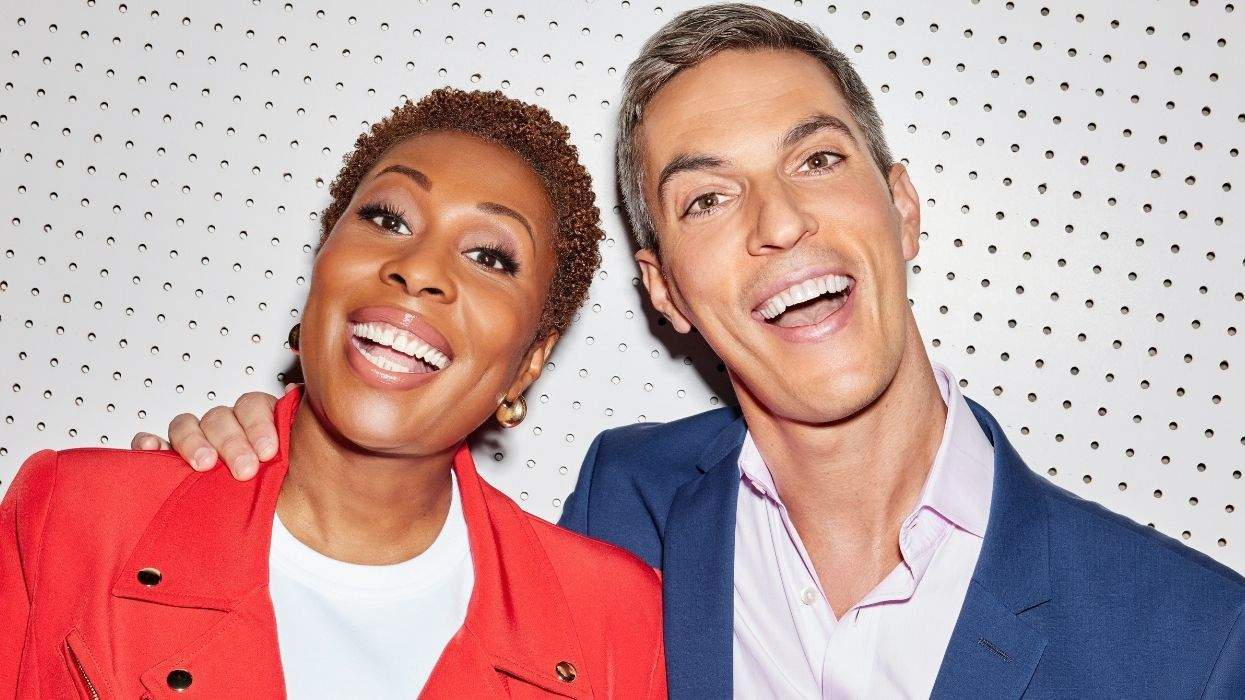

For years, millions of NPR listeners knew Audie Cornish and Ari Shapiro as two of the calmest, smartest voices in American media.
Measured. Precise. Composed.
Now they’re discussing ketamine culture, queer thirst traps, AI brain rot, Mar-a-Lago face, and a surgically enhanced internet "looksmaxxing" personality named Clavicular, and they sound like the version of themselves listeners never heard between segments.
The longtime public radio stars are reuniting for Engagement Party, a new CNN video podcast launching Friday on the CNN app and podcast platforms. Speaking with The Advocate in their first joint interview, a fact that surprised even them, Cornish and Shapiro described the show as an attempt to finally bring their off-air friendship into public view.
“This is the first time we’re talking about it together publicly,” Cornish noted during the call, amused. They had not even done joint interviews at NPR. “They did not encourage that,” she says.
Related: NPR reverses course after advising Ari Shapiro to skip Pride event
The mics were always off
The premise of Engagement Party is deceptively simple. Two people who have spent decades covering serious news talking the way they actually talk when nobody is recording.
Shapiro described the show as an attempt to recreate the feeling of being backstage at All Things Considered — not the polished segments listeners heard on-air, but the nuanced conversations that happened afterward.
“The vibe that we’ve always talked about going for in this show is the feeling that we used to have when we were in the studio for All Things Considered, but our mics were off between segments,” he says. “We would hash out and download and work through whatever we were obsessed with.”
Cornish adds, “We were paid to cosplay as grownups for so long.”
The pilot episode makes good on that promise almost immediately. It opens with Shapiro casually explaining the difference between “California sober” and “Brooklyn sober,” prompting Cornish to ask him, with deadpan timing, why exactly he knows so much about ketamine discourse.
“Because I have friends who live in Brooklyn,” he replies.
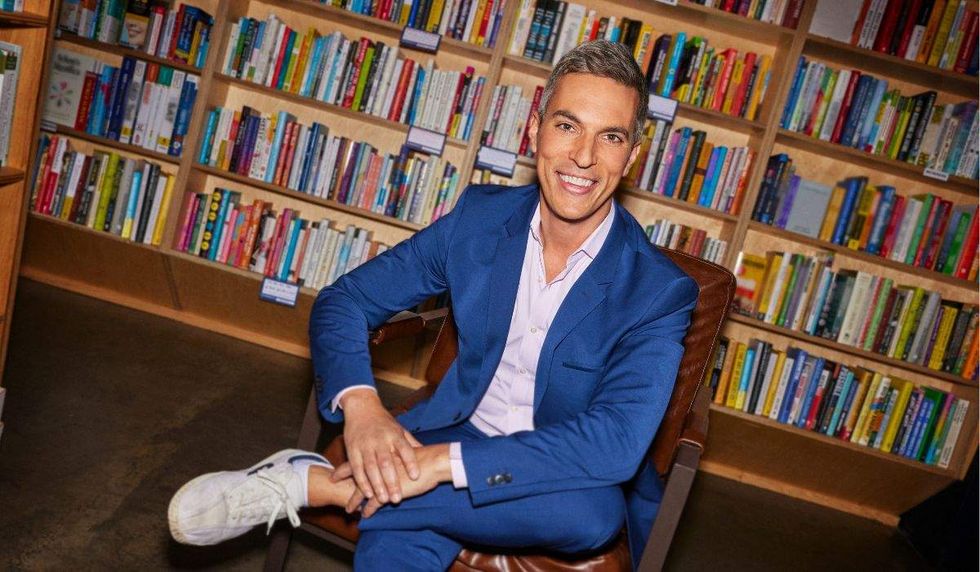 Ari Shapiro is reuniting with his friend Audie Cornish for a new CNN podcast.CNN
Related: Ari Shapiro, gay co-host of All Things Considered, is leaving NPR
The timing finally worked
The reunion had apparently been years in the making, quietly discussed and quietly impossible for most of that time.
“There were times when various people would say to me, ‘What about making a project with someone?’” Shapiro recalls. “And I would literally in every instance begin with, ‘Well, the ideal person would be Audie.’”
Cornish had the same obstacle working in reverse. “And I’d say because he’s never going to leave NPR, we can’t make a project with him," she explains.
Cornish joined NPR in 2005 and became one of the defining voices of All Things Considered before leaving in January 2022. Her exit became part of a broader conversation about the departures of high-profile journalists of color from NPR during a turbulent stretch for the organization.
Shapiro stayed longer. He ultimately departed NPR in late 2025 after a 25-year career that took him from the White House to the Justice Department to international bureaus before becoming one of the signature hosts of All Things Considered. He joined CNN as a contributor in April.
Now, finally on the same side of the table, both describe the collaboration as energizing. “There are projects that fill your batteries and projects that drain your batteries,” Shapiro says. “We both feel really strongly that this is a project that fills our batteries.”
Related: A local NBC anchor came out as gay on live TV. Now, he shares how the moment has changed his life
None of it feels like journalism. All of it clearly is.
What emerges in both the interview and the pilot is less “former NPR hosts” than two people who are intensely online, reverse-engineering internet culture in real time, armed with decades of experience thinking about how information moves.
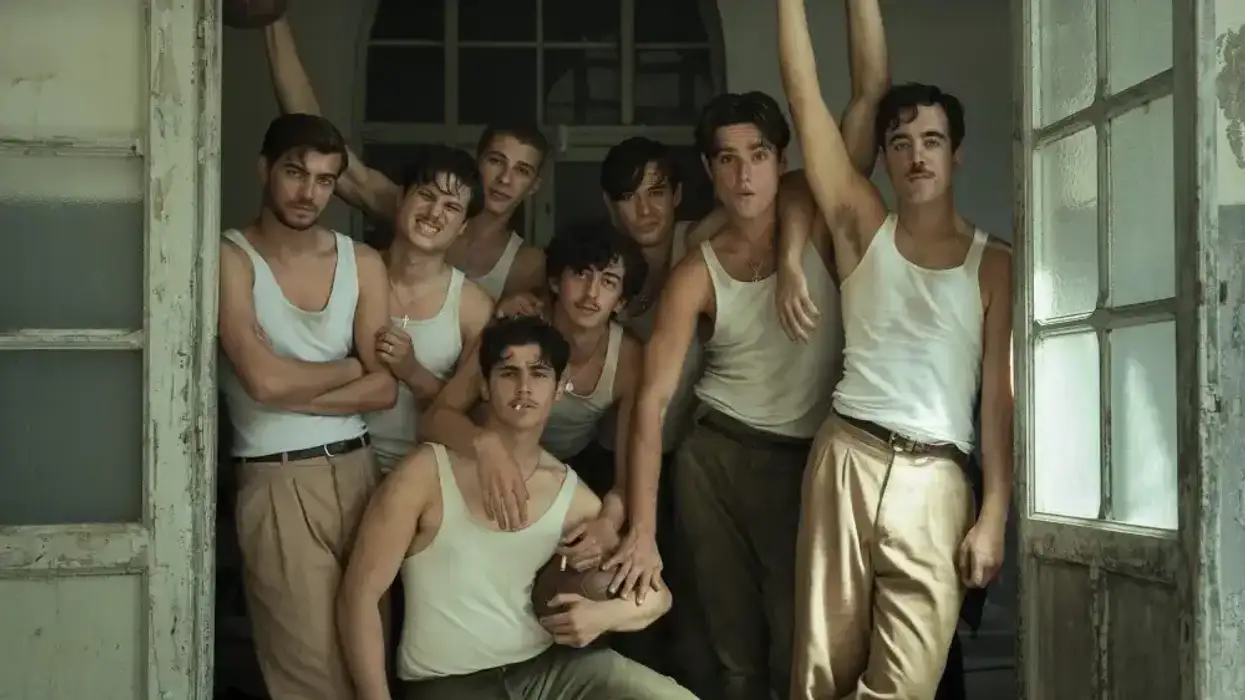
The pilot ricochets between the celebrity fandom surrounding Heated Rivalry actors Hudson Williams and Connor Storrie, “friction maxxing” and AI backlash culture, cannabis replacing alcohol, and a pop-culture quiz that somehow turns into a debate about whether Hollywood still undervalues Michael B. Jordan after Sinners.
None of it feels like journalism, exactly. All of it clearly is.
That’s clear when the pair talks about Clavicular, the aesthetically enhanced influencer whose recent algorithmic rise collided spectacularly with the actual justice system and became instant fodder for internet fixation.
Rather than simply mocking him, both hosts immediately started interrogating what his fame reveals about masculinity, beauty, virality, and AI aesthetics.
Cornish connected the phenomenon to what she calls “young fame,” the psychological whiplash of becoming algorithmically enormous before understanding the machinery that produced it in the first place.
“What happens when you actually get that spotlight when the dog catches the car?” she wonders.
She describes Clavicular as a symptom of a culture increasingly organized around perfection and visibility. “What are we willing to do to achieve perfection when AI is coming around the bend?” she asks. “What even for?”
Shapiro turned toward the economics beneath the spectacle, connecting Clavicular’s rise to “clip farming,” the increasingly industrialized practice of monetizing social media outrage and virality.
By the end of the conversation, they had connected Clavicular to AI enhancement, Ryan Murphy shows, internet masculinity, and Mar-a-Lago face.
That’s basically the entire show.
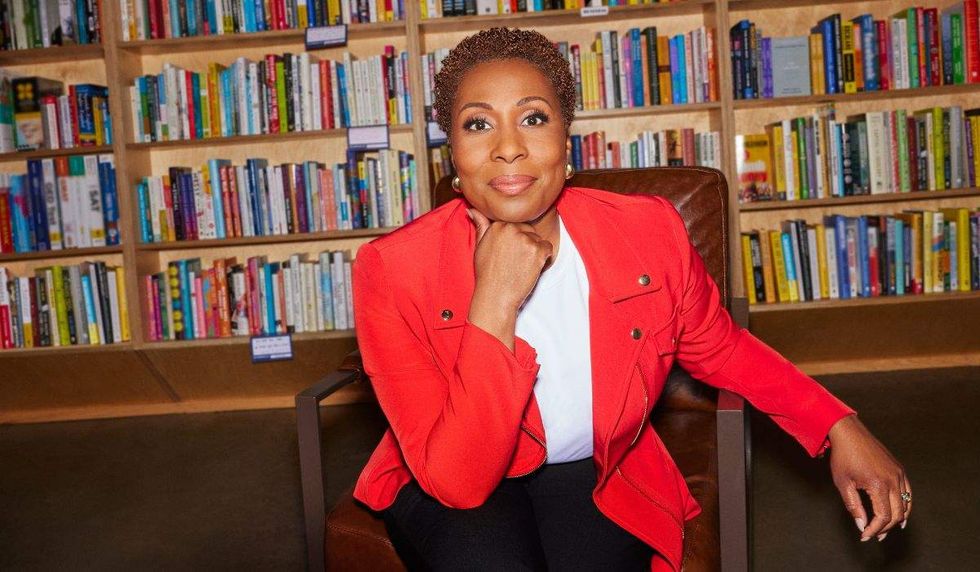 Audi Cornish is reuniting with her friend Ari Shapiro for CNN's latest podcast, "Engagement Party."CNN
Not hiding
The podcast's looseness also creates more room for identity conversations that rarely surfaced during their NPR years. Shapiro noted that while he was always openly queer on public radio, his sexuality rarely came up naturally within the constraints of traditional broadcast news.
“I’ve never been shy on the radio about being out, about being queer,” he says. “But it’s not something that ever really came up because that wasn’t really my function.”
That changed almost instantly on Engagement Party, where discussions about “bottom jokes” and internet sexuality are simply part of the conversational texture. Cornish was careful to describe the show not as an “identity project,” but as a space where neither of them feels obligated to flatten parts of themselves to appeal to the broadest possible audience.
“It is not a gay show. It is not a mommy show. It is not a Black show,” she says. “We just are not hiding.”
After coming of age professionally in a media landscape built around institutional authority, polished neutrality, and carefully managed expertise, they are now navigating something entirely different, with audiences who increasingly want hosts to sound less like broadcasters and more like people they know.
At one point, Shapiro describes nervously asking CNN executives whether he was really allowed to say, on-air, “This is totally fucked up.”
The answer, he says, was yes. “Not only are you allowed,” they told him, “it’s encouraged.”
He still sounds a little surprised by it.
“It’s kind of liberating,” Shapiro says.