'%3E%3Cpath d='M16.3574 35.6519H12.9537L15.0491 18.8873L16.3574 35.6519ZM30.4229 54.0093L22.309 0.994385H7.91795L0 54.0093H10.6634L11.5802 46.3855H17.4014L17.9914 54.0093H30.4229Z' fill='%23971B20'/%3E%3Cpath d='M48.2073 41.8813C48.2073 43.4049 47.4892 44.0011 46.1144 44.0011H43.7595V11.0687H46.1144C47.4892 11.0687 48.2073 11.6636 48.2073 13.1885V41.8813ZM59.5273 43.6695V11.3326C59.5273 3.71323 53.5729 0.994385 47.8157 0.994385H31.7213V54.0093H47.8157C53.5729 54.0093 59.5273 51.29 59.5273 43.6695Z' fill='%23971B20'/%3E%3Cpath d='M90.183 0.994385H78.6039L75.0711 30.6157L71.9955 0.994385H59.4346L69.2474 54.0093H80.373L90.183 0.994385Z' fill='%23971B20'/%3E%3Cpath d='M107.063 42.3448C107.063 43.7359 105.951 44.5974 104.643 44.5974C103.269 44.5974 102.157 43.7359 102.157 42.3448V12.658C102.157 11.2676 103.269 10.4058 104.643 10.4058C105.951 10.4058 107.063 11.2676 107.063 12.658V42.3448ZM119.233 43.2723V11.7312C119.233 6.36384 112.952 -3.8147e-06 104.643 -3.8147e-06C96.2667 -3.8147e-06 89.9867 6.36384 89.9867 11.7312V43.2723C89.9867 48.6393 96.2667 55 104.643 55C112.952 55 119.233 48.6393 119.233 43.2723Z' fill='%23971B20'/%3E%3Cpath d='M150.976 43.9349V33.7309H139.069V42.3448C139.069 43.7359 137.957 44.5974 136.582 44.5974C135.076 44.5974 133.964 43.7359 133.964 42.3448V12.658C133.964 11.2676 135.076 10.4058 136.582 10.4058C137.957 10.4058 139.069 11.2676 139.069 12.658V21.2723H150.976V11.0687C150.976 5.70107 145.283 -3.8147e-06 136.582 -3.8147e-06C127.75 -3.8147e-06 121.796 5.70107 121.796 11.0687V43.9349C121.796 49.3022 127.75 55 136.582 55C145.283 55 150.976 49.3022 150.976 43.9349Z' fill='%23971B20'/%3E%3Cpath d='M167.478 35.6519H164.076L166.17 18.8873L167.478 35.6519ZM181.544 54.0093L173.432 0.994385H159.037L151.123 54.0093H161.785L162.704 46.3855H168.523L169.114 54.0093H181.544Z' fill='%23971B20'/%3E%3Cpath d='M205.412 10.4058V0.994385H177.081V10.4058H185.392V54.0093H197.428V10.4058H205.412Z' fill='%23971B20'/%3E%3Cpath d='M230.002 54.0093V43.9349H218.914V31.8746H226.635V21.8028H218.914V10.4058H230.002V0.994385H206.875V54.0093H230.002Z' fill='%23971B20'/%3E%3C/g%3E%3Cdefs%3E%3CclipPath id='clip0_260_7080'%3E%3Crect width='230' height='55' fill='white'/%3E%3C/clipPath%3E%3C/defs%3E%3C/svg%3E)
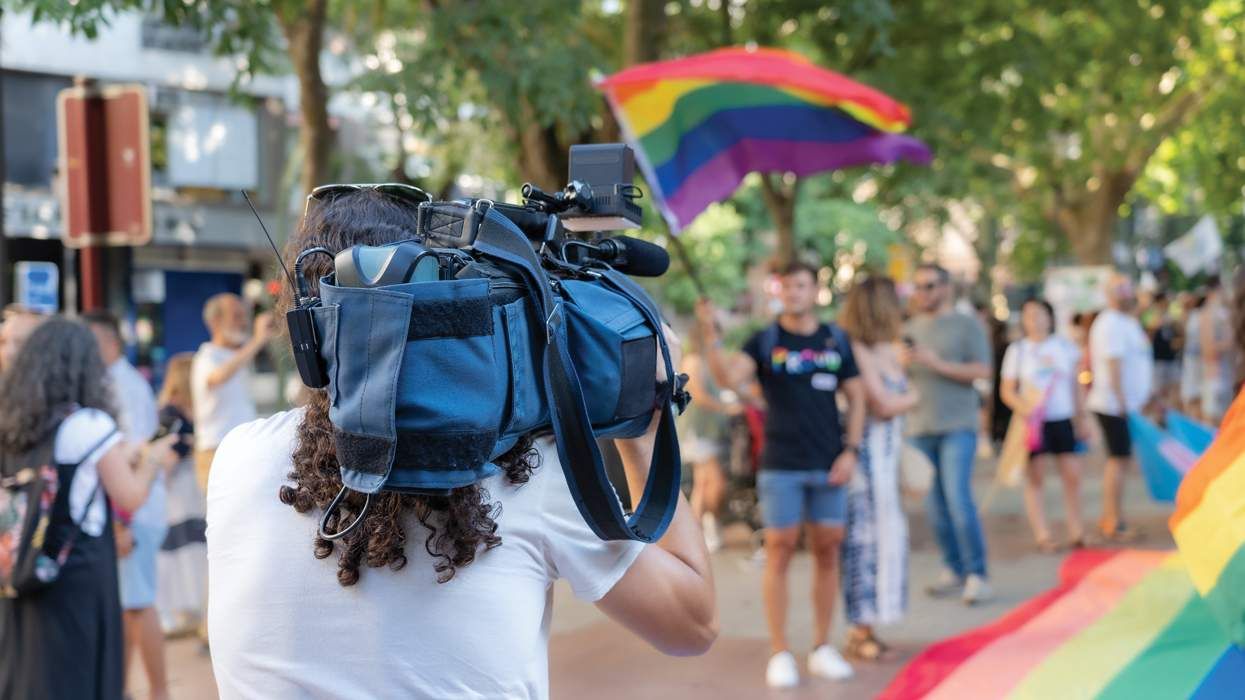

Eighteen states in the U.S. have no known original LGBTQ+ news outlets, according to the LGBTQ+ Media Mapping Project, an in-depth analysis of the state of local queer news outlets.
“There are many places in the U.S. with little or no LGBT+ original local reporting,” says Tracy Baim, director of the LGBTQ+ Media Mapping Project and cofounder of the Chicago-based Windy City Times newspaper. “As the political backlash grows, these gaps become even more important to try to fill with some creative supports. That could be partnering with local LGBTQ+ community centers, community colleges and universities, or even mainstream media willing to do coverage of their local LGBTQ+ communities.”
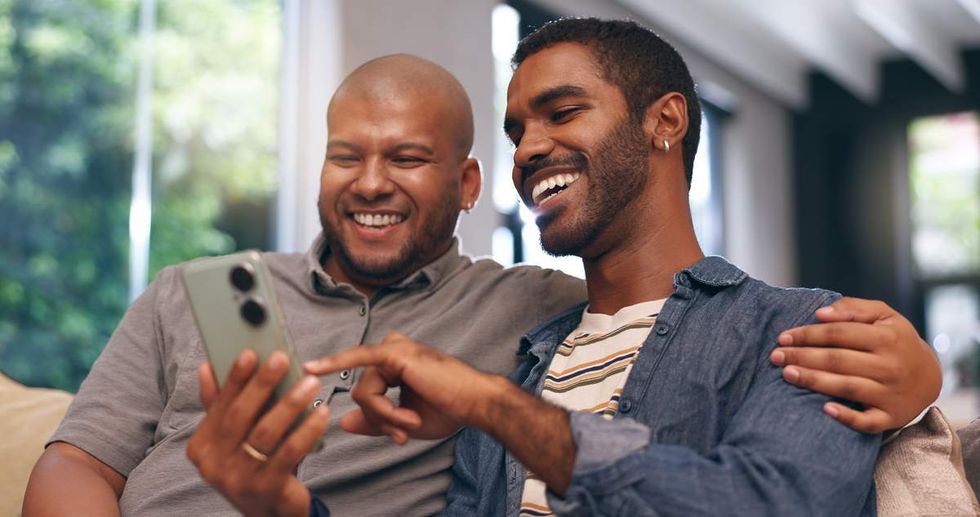 It may become more difficult to find local LGBTQ+ news in your area, according to a new study.Shutterstock Creative
Created in partnership with News Is Out, the MacArthur Foundation, Local Media Foundation, and the Craig Newmark Graduate School of Journalism at City University of New York, the Mapping Project provides one of the first looks into the local queer media landscape. Baim spearheaded the project alongside Hanna Siemaszko, who led research.
“We started this survey right before this new presidential administration took over,” Baim explains. “The backlash against DEI had already started two years ago; it has just been turbocharged in 2025. Corporate pullback on diversity marketing has absolutely hurt both local and national LGBTQ+ media. Additionally, there are real fears about targeting of LGBTQ+ media, both individuals and companies.”
The project’s findings were released in September and “underscore both the challenges and resilience of queer media, and call for greater investment to ensure these essential voices continue to serve their communities,” as stated on News Is Out’s website. Through carefully compiled data, surveys, and interviews, a detailed downloadable report was created as well as an interactive map.
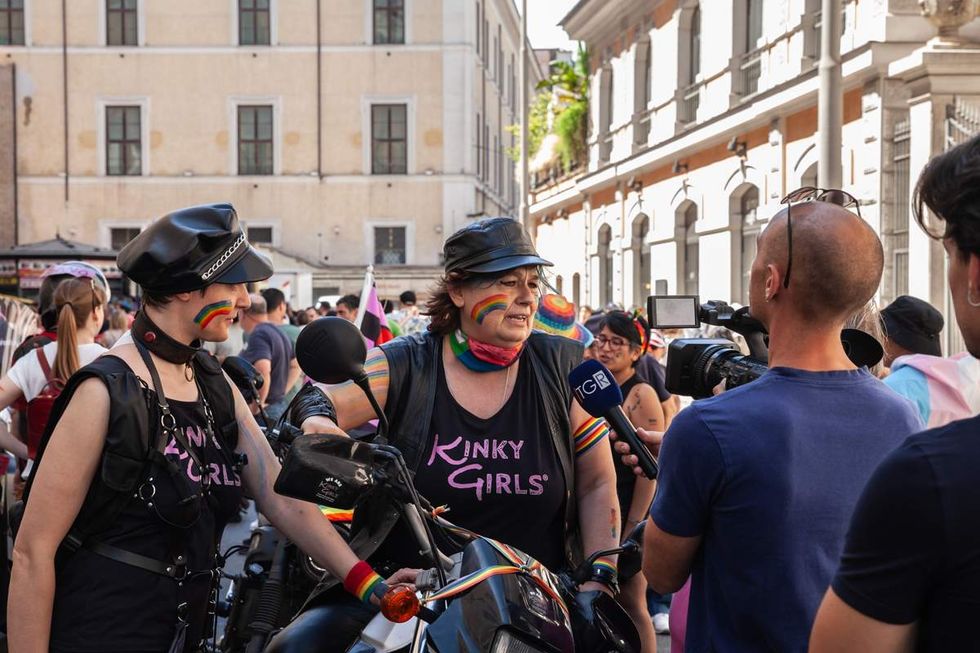 LGBTQ+ media outlets are a key component in telling queer stories and educating the public. BalkansCat/Shutterstock
“Financial stability is the top struggle for a vast majority of outlets responding to the survey,” says Baim. “They don’t have enough staff to cover the stories that need covering or staff to help them pivot into new revenue streams. LGBTQ+ marketing dollars have shrunk, and this hurts the community overall and media especially.”
Despite the growing challenges, Baim explains that there are real-world solutions and creative ways to ensure queer voices continue to be heard.
“While a lot of it involves the need for more funding and coming together to find ways to get more philanthropy dollars into LGBTQ+ media, it is also about helping local and national media diversify their revenues, build better tech stacks where needed, and especially build the muscle to ask for small donors,” she says. “That will make them less vulnerable to swings in national political tides.”
This article is part of The Advocate's Nov/Dec 2025 issue, on newsstands now. Support queer media and subscribe — or download the issue through Apple News, Zinio, Nook, or PressReader.