'%3E%3Cpath d='M16.3574 35.6519H12.9537L15.0491 18.8873L16.3574 35.6519ZM30.4229 54.0093L22.309 0.994385H7.91795L0 54.0093H10.6634L11.5802 46.3855H17.4014L17.9914 54.0093H30.4229Z' fill='%23971B20'/%3E%3Cpath d='M48.2073 41.8813C48.2073 43.4049 47.4892 44.0011 46.1144 44.0011H43.7595V11.0687H46.1144C47.4892 11.0687 48.2073 11.6636 48.2073 13.1885V41.8813ZM59.5273 43.6695V11.3326C59.5273 3.71323 53.5729 0.994385 47.8157 0.994385H31.7213V54.0093H47.8157C53.5729 54.0093 59.5273 51.29 59.5273 43.6695Z' fill='%23971B20'/%3E%3Cpath d='M90.183 0.994385H78.6039L75.0711 30.6157L71.9955 0.994385H59.4346L69.2474 54.0093H80.373L90.183 0.994385Z' fill='%23971B20'/%3E%3Cpath d='M107.063 42.3448C107.063 43.7359 105.951 44.5974 104.643 44.5974C103.269 44.5974 102.157 43.7359 102.157 42.3448V12.658C102.157 11.2676 103.269 10.4058 104.643 10.4058C105.951 10.4058 107.063 11.2676 107.063 12.658V42.3448ZM119.233 43.2723V11.7312C119.233 6.36384 112.952 -3.8147e-06 104.643 -3.8147e-06C96.2667 -3.8147e-06 89.9867 6.36384 89.9867 11.7312V43.2723C89.9867 48.6393 96.2667 55 104.643 55C112.952 55 119.233 48.6393 119.233 43.2723Z' fill='%23971B20'/%3E%3Cpath d='M150.976 43.9349V33.7309H139.069V42.3448C139.069 43.7359 137.957 44.5974 136.582 44.5974C135.076 44.5974 133.964 43.7359 133.964 42.3448V12.658C133.964 11.2676 135.076 10.4058 136.582 10.4058C137.957 10.4058 139.069 11.2676 139.069 12.658V21.2723H150.976V11.0687C150.976 5.70107 145.283 -3.8147e-06 136.582 -3.8147e-06C127.75 -3.8147e-06 121.796 5.70107 121.796 11.0687V43.9349C121.796 49.3022 127.75 55 136.582 55C145.283 55 150.976 49.3022 150.976 43.9349Z' fill='%23971B20'/%3E%3Cpath d='M167.478 35.6519H164.076L166.17 18.8873L167.478 35.6519ZM181.544 54.0093L173.432 0.994385H159.037L151.123 54.0093H161.785L162.704 46.3855H168.523L169.114 54.0093H181.544Z' fill='%23971B20'/%3E%3Cpath d='M205.412 10.4058V0.994385H177.081V10.4058H185.392V54.0093H197.428V10.4058H205.412Z' fill='%23971B20'/%3E%3Cpath d='M230.002 54.0093V43.9349H218.914V31.8746H226.635V21.8028H218.914V10.4058H230.002V0.994385H206.875V54.0093H230.002Z' fill='%23971B20'/%3E%3C/g%3E%3Cdefs%3E%3CclipPath id='clip0_260_7080'%3E%3Crect width='230' height='55' fill='white'/%3E%3C/clipPath%3E%3C/defs%3E%3C/svg%3E)
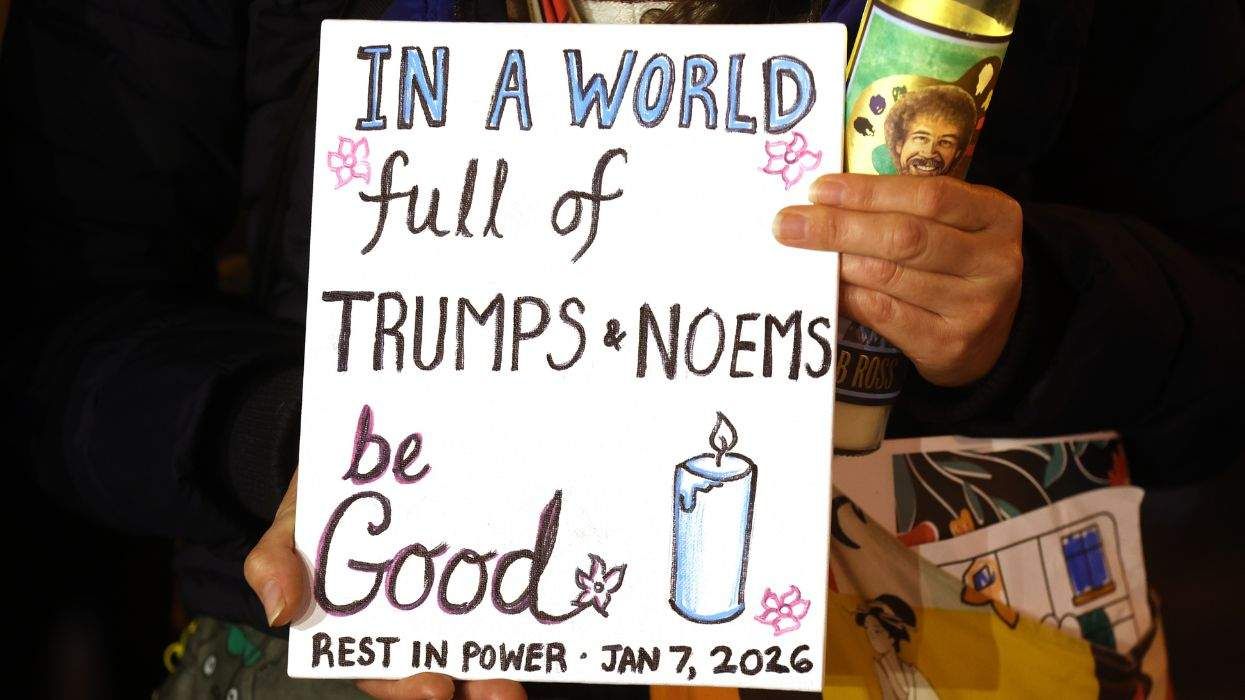

Wednesday in Minneapolis, our world lost someone named Good, and the cruel irony is impossible to ignore. Renee Nicole Good was shot and killed by Immigration and Customs Enforcement agents during an immigration enforcement operation.
She did not die because she was an agitator. She did not die calling for violence. She didn’t die because she was a threat or because she carried a weapon. She died simply for being good, being present, compassionate, and willing to show up for her neighbors. She died trying to do something good.
Related: Who was Renee Nicole Good? Remembering the Minneapolis poet and mother killed by ICE
And in that moment, her goodness did not protect her.
Renee was described by those who loved her as kind, creative, gentle. She was a poet, a mother, a friend, and a wife. She was not known as an activist. She was not a leader of a movement. She was not, as some in power have since claimed, a “domestic terrorist.” She was a woman living her life, moving through her community, doing what so many of us believe is the bare minimum of human decency.
Renee Good refused to look away when others were in danger.
In the aftermath of the shooting, Renee’s wife collapsed at the scene, wailing and blaming herself for having brought Renee there. Her grief was raw, public, and devastating. It is the sound of a life obliterated by unnecessary bullets from a gun drawn too quickly. That moment alone should have given this country and the leadership of ICE pause. Instead, it was quickly overshadowed by a rush to control the narrative.
Related: Distraught woman says ICE killed her wife in video after deadly Minneapolis shooting
Rather than question the use of lethal force, high-ranking Trump officials chose to demean Renee’s memory. They accused her of sparking the incident. They suggested she was violent. They framed her as a threat. These claims are not supported by the accounts of witnesses or any available evidence. Searches about Renee now are all about her life and her children.
What Donald Trump and Kristi Noem blurted out is not about truth. It is about deflecting the truth. They seek to protect their own power and the abject impunity of federal agents by transforming the dead into villains.
Minnesota officials say the federal government is blocking them from investigating the shooting. Trump and his ilk will do all they can to repress the truth.
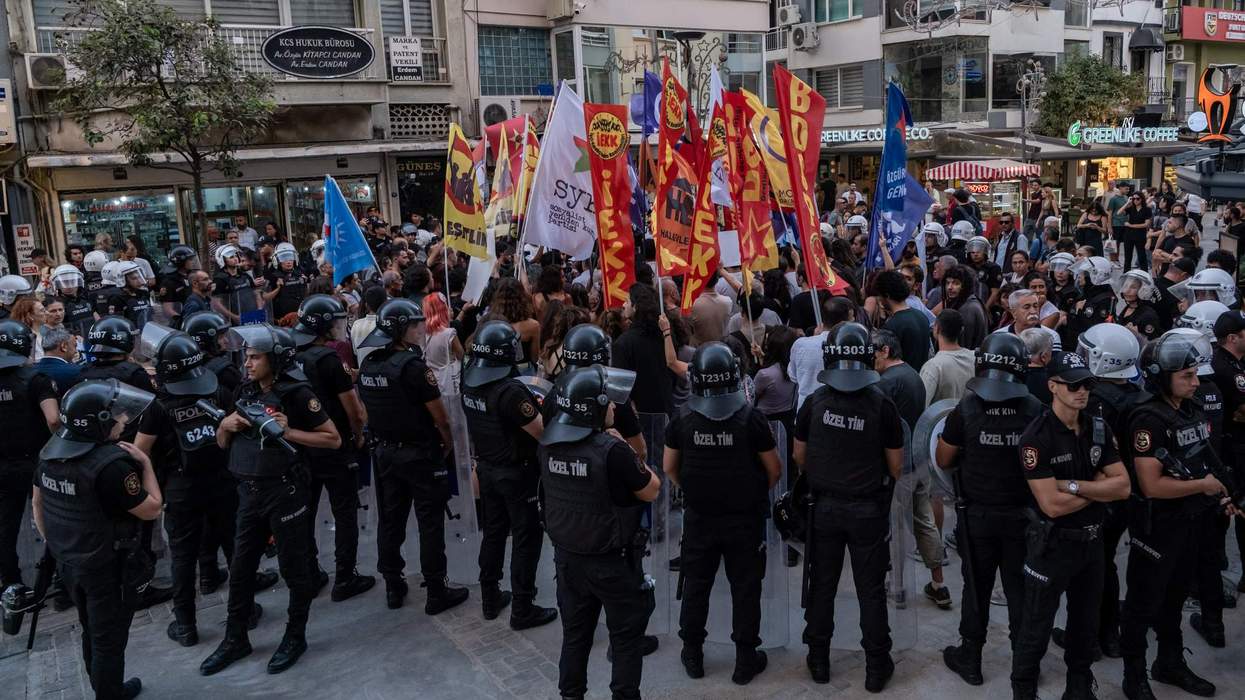
ICE has come to represent something treacherous in American life. ICE is an unsettling militarized authority. Its agents are aggressive and ready to escalate in a flash, as was evident Wednesday.
Renee Good appeared to embody the opposite. She was, by all accounts, the antithesis of menace. And yet it is precisely people like her, people who intervene, who care, who refuse to be silent, who are increasingly placed in harm’s way.
None of us, really, are safe. And, for queer people, this reality lands with particular weight, and not just because Good was queer.
Queer and trans communities have long understood that visibility is a risk. That showing up, for each other, for our neighbors, and for strangers, can make us targets. Renee’s death comes at a time when queer people are already being cast as threats, scapegoats, and moral contagions by a resurgent Chomehow responsible, complicit, or ideologically to blame. Even if that queer person is only a friend, roommate, or neighbor. Guilt by association, even if it’s at a distance.
Related: New York Post targets trans people with ‘harmful’ reporting on Charlie Kirk murder, critics say
And even when perpetrators have no connection to LGBTQ+ communities, our identities are dragged into the conversation, turned into innuendo, suspicion, or outright accusation.
It is not unreasonable to ask whether Renee Good’s sexuality will soon be folded into this same machinery of blame. The right’s cruelty knows no bounds.
Will her queerness be used to subtly recast her as radical? Will her love be reframed as some sort of antifa ideology? Will her very existence be treated as evidence of deviance rather than humanity?
These aren’t some paranoid questions being bandied about. They are genuine questions shaped by lived experience, by years of watching the right weaponize tragedy to advance false and devious narratives that endanger us all.
Renee was a woman who loved another woman, and that love was visible in her final moments. It should have been met with compassion. Instead, it risks becoming another excuse for dehumanization.
Finally, there is a tragic irony in the symmetry of her name. Renee Good was described as good, a good neighbor, a good friend, a good wife, and a good mother. She was doing good by trying to protect her community. And yet being “good” did not save her. In this moment, it may have made her more vulnerable.
What does it mean when goodness itself becomes dangerous? When empathy is treated as provocative? When standing beside your neighbors is framed as domestic terrorism?
We need more Good in this world, not less. We need a society where compassion is not a fault or a failure, where queer love is not suspect or a reason to excuse, and where the dead are not smeared to shield those who wield weapons without restraint.
Renee Good’s life should not be reduced to lies told after her death. Her name should not be twisted into irony. If her killing teaches us anything, it is this: that showing up still matters, even when it costs too much, and that our response must not be retreat, but resolve.
Devastatingly, goodness did not protect Renee. But callously abandoning it would dishonor her.