'%3E%3Cpath d='M16.3574 35.6519H12.9537L15.0491 18.8873L16.3574 35.6519ZM30.4229 54.0093L22.309 0.994385H7.91795L0 54.0093H10.6634L11.5802 46.3855H17.4014L17.9914 54.0093H30.4229Z' fill='%23971B20'/%3E%3Cpath d='M48.2073 41.8813C48.2073 43.4049 47.4892 44.0011 46.1144 44.0011H43.7595V11.0687H46.1144C47.4892 11.0687 48.2073 11.6636 48.2073 13.1885V41.8813ZM59.5273 43.6695V11.3326C59.5273 3.71323 53.5729 0.994385 47.8157 0.994385H31.7213V54.0093H47.8157C53.5729 54.0093 59.5273 51.29 59.5273 43.6695Z' fill='%23971B20'/%3E%3Cpath d='M90.183 0.994385H78.6039L75.0711 30.6157L71.9955 0.994385H59.4346L69.2474 54.0093H80.373L90.183 0.994385Z' fill='%23971B20'/%3E%3Cpath d='M107.063 42.3448C107.063 43.7359 105.951 44.5974 104.643 44.5974C103.269 44.5974 102.157 43.7359 102.157 42.3448V12.658C102.157 11.2676 103.269 10.4058 104.643 10.4058C105.951 10.4058 107.063 11.2676 107.063 12.658V42.3448ZM119.233 43.2723V11.7312C119.233 6.36384 112.952 -3.8147e-06 104.643 -3.8147e-06C96.2667 -3.8147e-06 89.9867 6.36384 89.9867 11.7312V43.2723C89.9867 48.6393 96.2667 55 104.643 55C112.952 55 119.233 48.6393 119.233 43.2723Z' fill='%23971B20'/%3E%3Cpath d='M150.976 43.9349V33.7309H139.069V42.3448C139.069 43.7359 137.957 44.5974 136.582 44.5974C135.076 44.5974 133.964 43.7359 133.964 42.3448V12.658C133.964 11.2676 135.076 10.4058 136.582 10.4058C137.957 10.4058 139.069 11.2676 139.069 12.658V21.2723H150.976V11.0687C150.976 5.70107 145.283 -3.8147e-06 136.582 -3.8147e-06C127.75 -3.8147e-06 121.796 5.70107 121.796 11.0687V43.9349C121.796 49.3022 127.75 55 136.582 55C145.283 55 150.976 49.3022 150.976 43.9349Z' fill='%23971B20'/%3E%3Cpath d='M167.478 35.6519H164.076L166.17 18.8873L167.478 35.6519ZM181.544 54.0093L173.432 0.994385H159.037L151.123 54.0093H161.785L162.704 46.3855H168.523L169.114 54.0093H181.544Z' fill='%23971B20'/%3E%3Cpath d='M205.412 10.4058V0.994385H177.081V10.4058H185.392V54.0093H197.428V10.4058H205.412Z' fill='%23971B20'/%3E%3Cpath d='M230.002 54.0093V43.9349H218.914V31.8746H226.635V21.8028H218.914V10.4058H230.002V0.994385H206.875V54.0093H230.002Z' fill='%23971B20'/%3E%3C/g%3E%3Cdefs%3E%3CclipPath id='clip0_260_7080'%3E%3Crect width='230' height='55' fill='white'/%3E%3C/clipPath%3E%3C/defs%3E%3C/svg%3E)
President Donald Trump’s administration has formally stripped away federal protections for LGBTQ+ children in foster care, a move that former officials, advocates, and foster youth themselves say will make life harder for young people already facing some of the highest levels of rejection, instability, and trauma in the child welfare system.
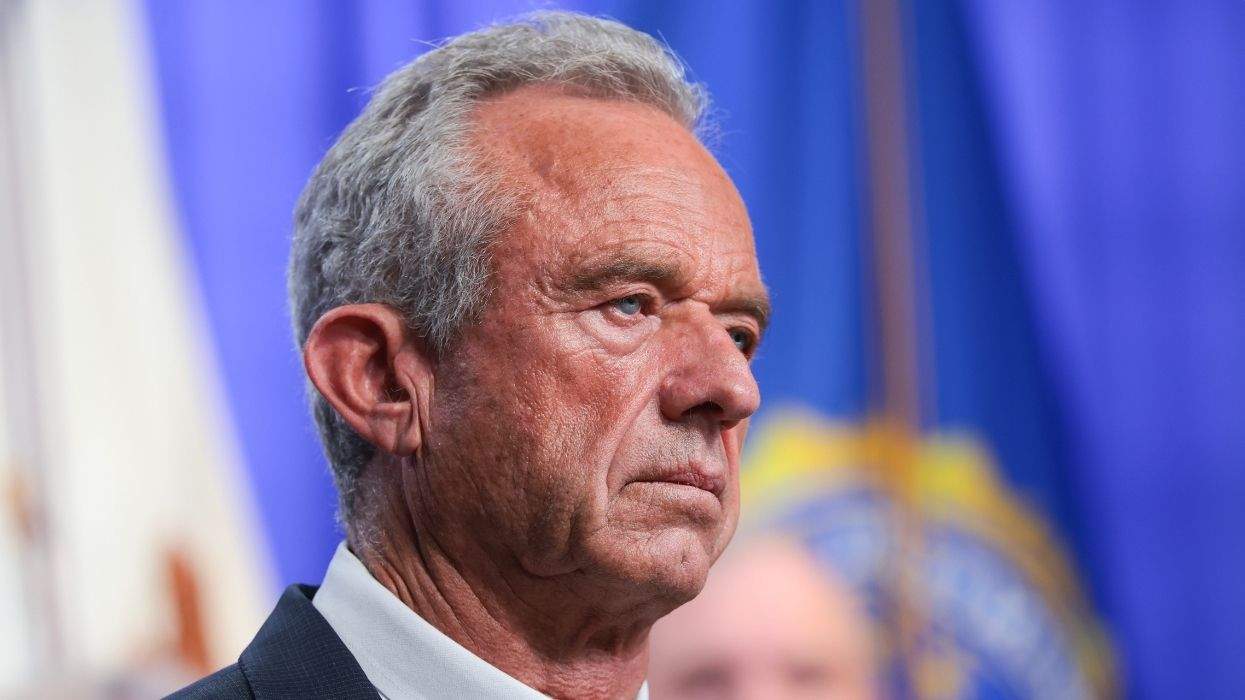
Under Health Secretary Robert F. Kennedy Jr., the Department of Health and Human Services published the rescission Tuesday, eliminating a Biden-era rule that had been designed to help ensure that LGBTQ+ foster children could be placed in supportive homes, seek relief from hostile placements, and be protected from dangerous so-called “conversion therapy” and retaliation.
For critics of the move, the policy change is not simply a matter of regulatory housekeeping. It is another example of the Trump administration removing safeguards from a group of vulnerable young people whose lives are already difficult enough.
Related: Trump administration confirms it’s restoring LGBTQ+ youth crisis line it eliminated last year
LGBTQ+ foster youth already face worse outcomes
Research, including from the Williams Institute at UCLA’s Law School, consistently shows that LGBTQ+ young people are overrepresented in foster care and fare worse within the system. The consequences extend beyond where children are placed. The Trevor Project found that LGBTQ+ young people with a history of foster care had nearly three times the odds of attempting suicide in the previous year compared with those who had never been in the system. Forty percent of transgender and nonbinary respondents with foster care histories said they had been kicked out, abandoned, or forced to run away because of mistreatment tied to their LGBTQ+ identity.
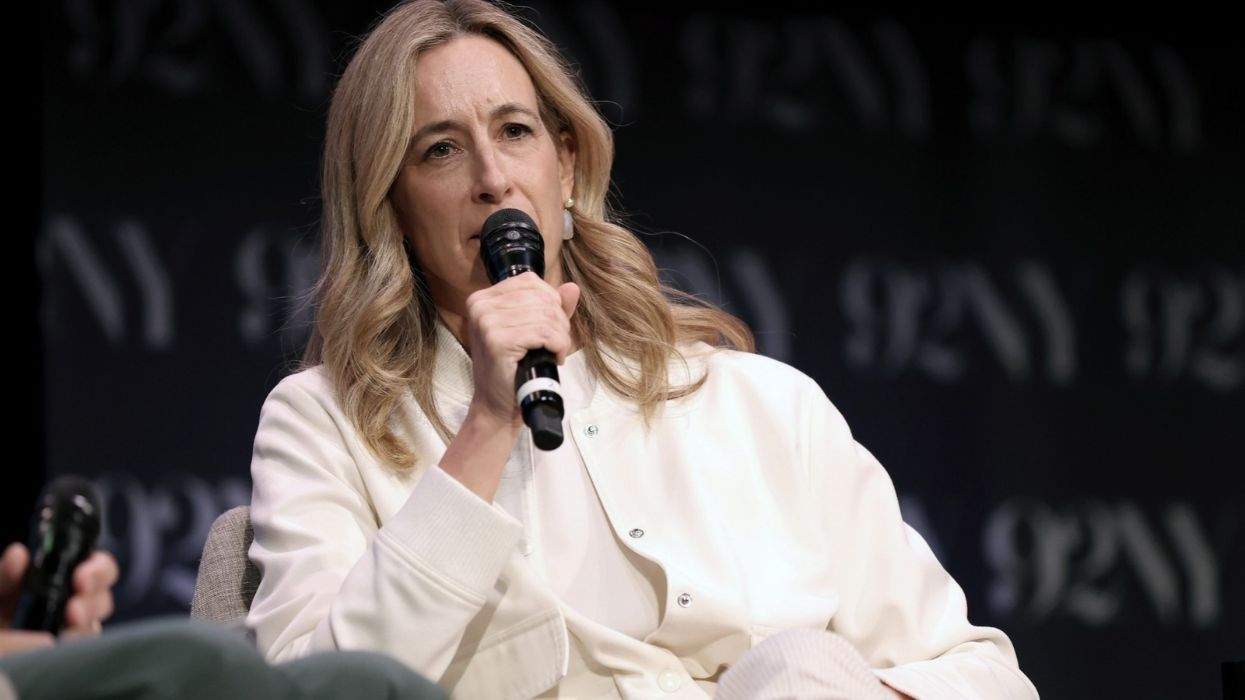
Julie Kruse, a former senior adviser on LGBTQI+ initiatives at HHS’ Administration for Children and Families, said LGBTQ+ foster youth are often overrepresented in the system because of rejection by their families of origin, then face fewer paths out once they enter it. They are less likely to be reunified, adopted, or placed permanently with relatives.
“They have no off-ramp,” she told The Advocate in an interview.
Related: RFK Jr.’s HHS proposes scrapping protections for LGBTQ+ kids in foster care
What the Biden-era rule protected
The Biden administration’s 2024 rule sought to address some of those realities. It required state and tribal child welfare agencies that receive federal funding under Titles IV-E and IV-B of the Social Security Act to make specially trained, supportive placements available to LGBTQ+ children who request or would benefit from them. It also created a formal process for children to report mistreatment, request a different placement, and seek help for caregivers. The rule barred retaliation and treated efforts to suppress or change a child’s sexual orientation or gender identity through conversion therapy as prohibited conduct.
It did not require every foster parent to accept an LGBTQ+ child, nor did it require all foster homes to become designated placements.
“The rule did not cover medical care for transgender foster youth. It just didn’t go there,” Kruse said.
Instead, she explained, the rule was about trying to make an already difficult system less harmful for LGBTQ+ children by ensuring that foster parents who agreed to care for them in designated placements were trained and supportive.
“Anybody who says it’s about anything else is just trying to muddy the waters and justify mistreatment and abuse because, frankly, conversion therapy is abuse,” she said.
Related: The Trump administration is excluding The Trevor Project from the 988 service it helped create
A protection blocked before it could take effect
On March 13, 2025, U.S. District Judge Jeremy Kernodle stayed the Biden rule nationwide, finding that HHS lacked authority to issue it. On June 13, 2025, the court granted a joint request from Texas and the Trump administration to enter final judgment and vacated the rule in its entirety, leaving it without legal force.
This week’s action formally removes the vacated provisions from the Code of Federal Regulations. ACF said the deletion was necessary to keep the regulations accurate and provide clarity to child welfare agencies and the public.
But former Biden officials say clarity is not the same thing as care.
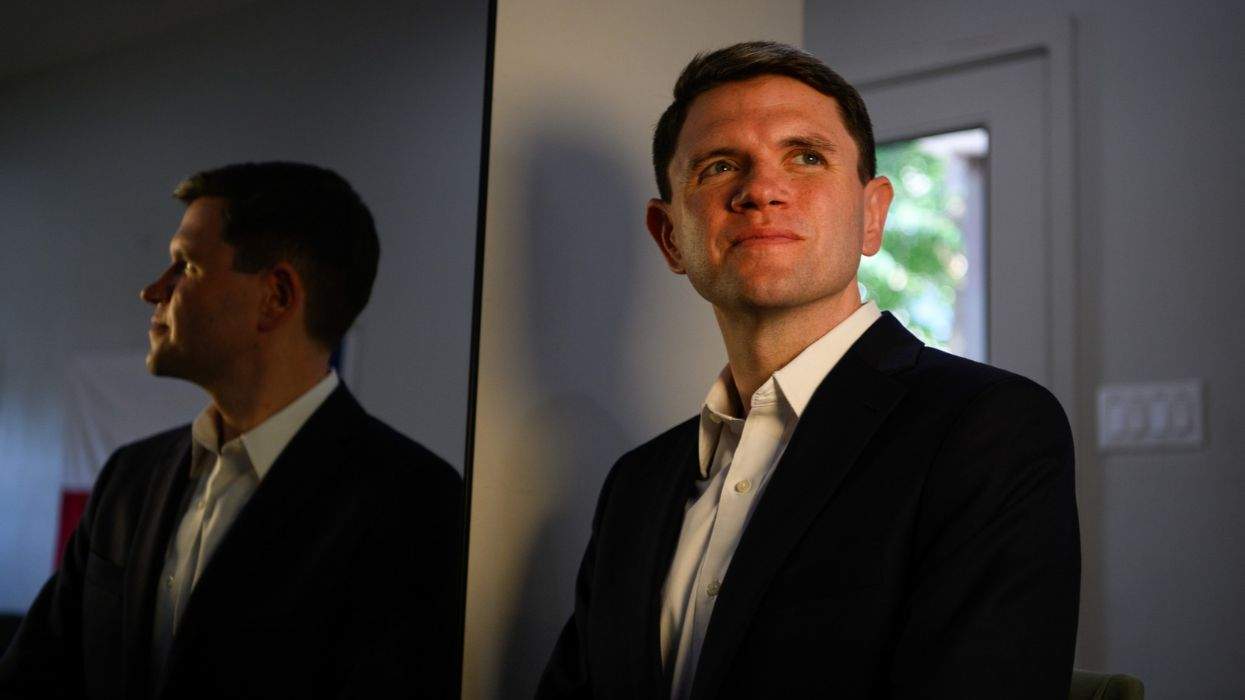
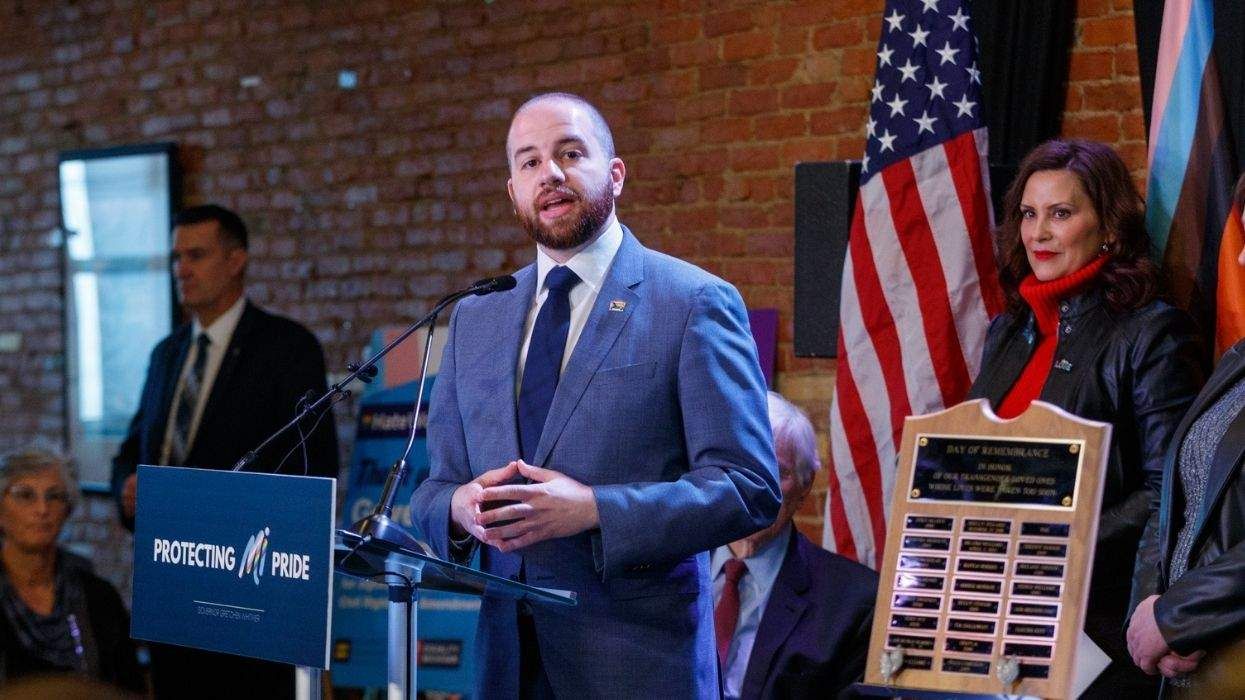
“In the Biden administration, we at HHS were very proud to finalize a rule that provided groundbreaking support for LGBTQI+ youth in the foster care system,” Adrian Shanker, a former deputy assistant secretary for health policy at HHS, told The Advocate in an interview on Tuesday.
Shanker said the rule gave LGBTQ+ children a route out of placements where they were being mistreated and ensured they could seek support tied to their identities.
“That rule yesterday was rescinded by the Trump administration, which is just one more tragic anti-LGBTQI+ action that this administration has taken to harm those in our community who are most vulnerable,” he said.
He added that the rescission does not erase the reality that made the policy necessary in the first place.
“LGBTQI+ youth in the foster care system are unquestionably some of the most vulnerable parts of our community and one of the parts of the community that really needs our help the most,” Shanker said. “When they rescinded this rule, it does not change the needs of the youth in the foster care system who still need these protections.”
Kruse said LGBTQ+ foster youth are often overrepresented in the system because of rejection by their families of origin, and then face fewer paths out once they enter it. They are less likely to be reunified, adopted, or placed permanently with relatives.
“They have no off-ramp,” she said.
That human reality is what makes the Trump administration’s decision feel so punishing to people who have lived through foster care themselves.
Related: Donald Trump has begun eroding federal LGBTQ+ protections through executive orders
‘It’s harder to come out when you’re in foster care’
Weston Charles-Gallo, 27, told The Advocate on Wednesday that he entered foster care as a teenager after coming out as gay to his biological parents. Instead of feeling safe, he said, the experience left him feeling unsupported and unsure of where he belonged.
“Me coming out essentially hindered me from finding my forever family sooner,” he said.
For LGBTQ+ children in foster care, he said, coming out can intensify the trauma they are already carrying. A child may already be coping with family separation, uncertainty, and repeated moves while also trying to determine whether the adults responsible for their care will accept them.
“It’s already hard to come out, and then it’s harder to come out when you’re in foster care,” he said.
That is why critics say the rescission amounts to more than a legal rollback. It sends a message to LGBTQ+ foster youth that their safety, identity, and sense of belonging matter less to the federal government than the objections of adults.
The administration also cast the change as a cost-saving measure, estimating that rescinding the rule would avert about $35.5 million in costs over time, including expenses tied to provider recruitment and training.
To people who worked on the rule, that rationale misses the point. The costs the administration is counting, they argue, are the costs of trying to protect kids. The costs it is not counting are the ones borne by children placed in homes where they may be rejected, demeaned, or pressured to change who they are.
Protections will now depend on where a child lives
States and local governments may continue to enforce their own protections, and the rescission does not prevent foster care agencies or providers from voluntarily maintaining supportive placement programs. But advocates say that without a federal standard, those protections will now depend on geography, agency leadership, and the willingness of individual adults to do what Washington no longer requires.
The Advocate contacted the Administration for Children and Families for comment, but the agency did not initially respond.
ACF defends the rollback
After publication, an Administration for Children and Families official defended the rollback, arguing that the Biden-era rule risked discouraging religious families from becoming foster parents during a nationwide shortage of licensed homes.
“Right now, there is a shortage of foster homes across the nation,” the official said in a statement to The Advocate.
The official claimed that only 57 licensed homes are available for every 100 children entering foster care. ACF has publicly cited a similar figure, but its own materials refer to 57 licensed homes for every 100 children already in care, not entering the system.
The official said the shortage has “resulted in children spending nights in office buildings, teenagers shuttled between hotels, and siblings separated for lack of space.” Such placements have been documented in multiple states, including in Associated Press reporting, but ACF did not provide national figures showing how often they occur.
ACF also argued that religious families are especially likely to become foster parents. “Consistently, the most likely groups of people to volunteer to open their homes to foster children are people with sincerely held religious beliefs and moral convictions,” the official said.
“The rule segmented families into two groups: those who are LGBTQ affirming and those who are not,” the official added.
The 2024 rule did create designated placements with providers trained to support LGBTQ+ children. It did not require every foster parent to qualify as a designated provider, bar religious families from becoming licensed, or force a caregiver to accept an LGBTQ+ child.
“ACF wants to send a unified and clear message to every American: all safe, loving families are welcome to walk through their state’s process to become a licensed foster parent,” the official said.
For Charles-Gallo, the stakes are immediate for the children still in care. He said those children should know they have not been forgotten.
“You’re not alone,” he said. “There are people who you might not see today, but know that people are working and striving and really advocating for you.”
“You are enough,” he added. “You are deserving of a family. Everyone is deserving of a family.”
Editor's note: This story has been updated to include a response from the Administration for Children and Families.