'%3E%3Cpath d='M16.3574 35.6519H12.9537L15.0491 18.8873L16.3574 35.6519ZM30.4229 54.0093L22.309 0.994385H7.91795L0 54.0093H10.6634L11.5802 46.3855H17.4014L17.9914 54.0093H30.4229Z' fill='%23971B20'/%3E%3Cpath d='M48.2073 41.8813C48.2073 43.4049 47.4892 44.0011 46.1144 44.0011H43.7595V11.0687H46.1144C47.4892 11.0687 48.2073 11.6636 48.2073 13.1885V41.8813ZM59.5273 43.6695V11.3326C59.5273 3.71323 53.5729 0.994385 47.8157 0.994385H31.7213V54.0093H47.8157C53.5729 54.0093 59.5273 51.29 59.5273 43.6695Z' fill='%23971B20'/%3E%3Cpath d='M90.183 0.994385H78.6039L75.0711 30.6157L71.9955 0.994385H59.4346L69.2474 54.0093H80.373L90.183 0.994385Z' fill='%23971B20'/%3E%3Cpath d='M107.063 42.3448C107.063 43.7359 105.951 44.5974 104.643 44.5974C103.269 44.5974 102.157 43.7359 102.157 42.3448V12.658C102.157 11.2676 103.269 10.4058 104.643 10.4058C105.951 10.4058 107.063 11.2676 107.063 12.658V42.3448ZM119.233 43.2723V11.7312C119.233 6.36384 112.952 -3.8147e-06 104.643 -3.8147e-06C96.2667 -3.8147e-06 89.9867 6.36384 89.9867 11.7312V43.2723C89.9867 48.6393 96.2667 55 104.643 55C112.952 55 119.233 48.6393 119.233 43.2723Z' fill='%23971B20'/%3E%3Cpath d='M150.976 43.9349V33.7309H139.069V42.3448C139.069 43.7359 137.957 44.5974 136.582 44.5974C135.076 44.5974 133.964 43.7359 133.964 42.3448V12.658C133.964 11.2676 135.076 10.4058 136.582 10.4058C137.957 10.4058 139.069 11.2676 139.069 12.658V21.2723H150.976V11.0687C150.976 5.70107 145.283 -3.8147e-06 136.582 -3.8147e-06C127.75 -3.8147e-06 121.796 5.70107 121.796 11.0687V43.9349C121.796 49.3022 127.75 55 136.582 55C145.283 55 150.976 49.3022 150.976 43.9349Z' fill='%23971B20'/%3E%3Cpath d='M167.478 35.6519H164.076L166.17 18.8873L167.478 35.6519ZM181.544 54.0093L173.432 0.994385H159.037L151.123 54.0093H161.785L162.704 46.3855H168.523L169.114 54.0093H181.544Z' fill='%23971B20'/%3E%3Cpath d='M205.412 10.4058V0.994385H177.081V10.4058H185.392V54.0093H197.428V10.4058H205.412Z' fill='%23971B20'/%3E%3Cpath d='M230.002 54.0093V43.9349H218.914V31.8746H226.635V21.8028H218.914V10.4058H230.002V0.994385H206.875V54.0093H230.002Z' fill='%23971B20'/%3E%3C/g%3E%3Cdefs%3E%3CclipPath id='clip0_260_7080'%3E%3Crect width='230' height='55' fill='white'/%3E%3C/clipPath%3E%3C/defs%3E%3C/svg%3E)


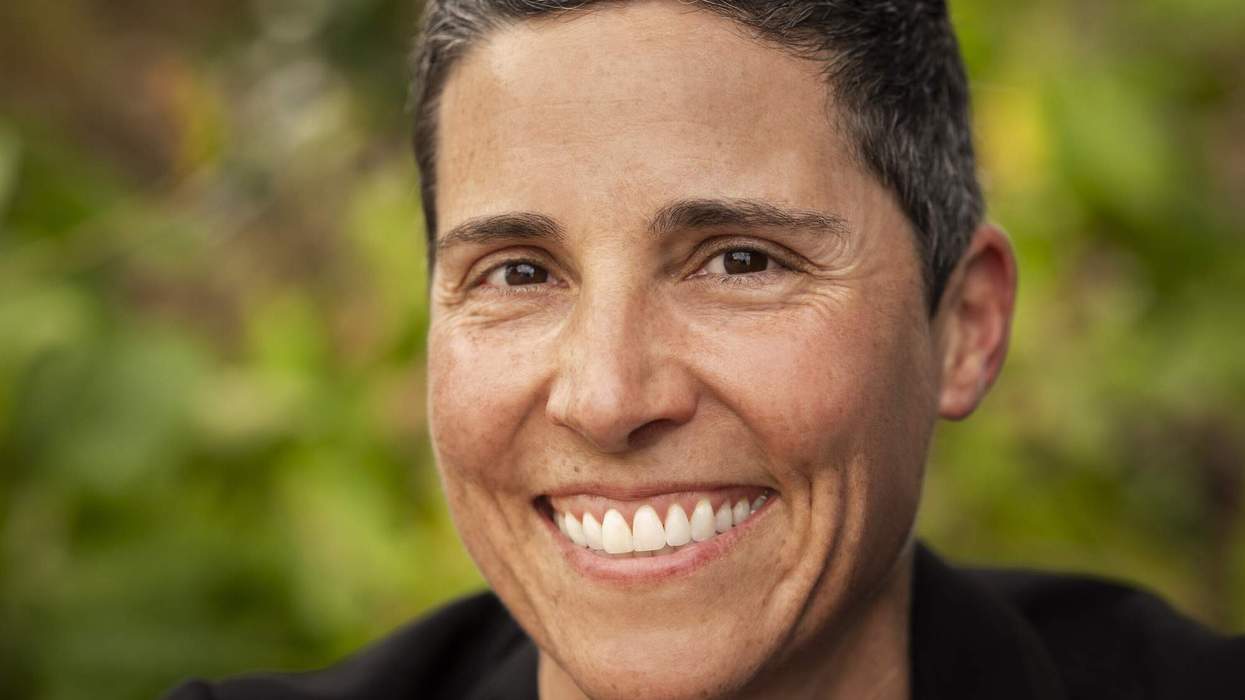
Kiara St. James left New York a better place than she entered it. The transgender organizer, community activist, and architect for LGBTQ+ liberation was instrumental in advancing transgender rights in New York state, laying the groundwork for the current protections we see today. After her death from cancer on May 8, 2026, friends, family, and colleagues reflected on her lofty political legacy.
“Kiara St. James was a champion for the LGBTQ+ community,” New York Gov. Kathy Hochul wrote in an X post. “The founder of the New York Transgender Advocacy Group, Kiara played a vital role in making New York’s historic Gender Expression Non-Discrimination Act a reality. I was proud to know her and to fight alongside her. She will be dearly missed.”
Born in Beaumont, Texas, St. James grew up in a “fundamentally Christian, condemning” household where she experienced gender policing from a young age, per her 2017 interview with the NYC Transgender Oral History Project. After experiencing abuse as a child and being placed in foster care, St. James spent her pre-teen and teenage years in Heidelberg, Germany, with her foster family. Following her high school graduation, she tried to reconnect with family in Texas, worked as an armed security guard, and trained to be a nurse assistant in San Marcos. Always imaginative, St. James said books on geography, history, and science fiction were a “great escape.” She also spoke about interrogating the Biblical teachings of her childhood, including finding pro-LGBTQ+ scripture.
While she “never really wanted to come to New York,” St. James made the move to the city from Atlanta in 1995 with her partner. Once there, she stayed in hotels and worked odd jobs, like selling newspapers near the World Trade Center. New York ultimately became the place where St. James came into her transness. She was inspired by meeting famous femme queens of the time like Portia LaBeija, a member of the House of LaBeija, the first ballroom family central to creating the trans and queer Black and Latine scene in the 1970s.
She always aspired to be a femme queen, and eventually she became one, hanging out with other trans women near Times Square, in the Village, and on the piers. Because there were no anti-discrimination protections for trans people in 1990s NYC, many trans women, St. James included, engaged in sex work to survive. It was these experiences that drove St. James into organizing and catalyzed her decades of activism work. She began working for LGBTQ+ housing justice organization Housing Works in 1999 after coming to a D.C. rally for HIV funding, further developing her advocacy skills.
St. James didn’t just want trans people to survive; she wanted them to thrive, which she knew required protections, as well as tangible resources from state and city governments. Just three years after her first political rally, St. James helped successfully pass New York’s Sexual Orientation Non-Discrimination Act in 2002, a law that prohibits employment, housing, education, or public accommodations discrimination based on a person’s perceived sexual orientation. In 2014, she established the New York Trans Advocacy Group (NYTAG), an organization that was instrumental in the passage of New York’s 2019 Gender Expression Non-Discrimination Act, which added gender identity to the state’s human rights and hate crimes laws. Even during the height of the pandemic, St. James continued to push for trans legal protections. In 2021, she successfully helped advocate for the end of a New York loitering law, notoriously known as the “walking while trans” law, due to its use by police to harass trans people since 1976.
“Kiara didn’t want Black Transwomens’ lives to only be considered through the lens of tragedy,” NYTAG board and staff wrote in a statement on her death. “She strongly believed in healing justice and spirituality as critical to empowering Trans communities to be able to advocate for themselves and build strong communities of care.”
St. James made fighting for trans people her life’s mission, including after she was diagnosed with anal cancer in October of 2022. According to William Colón, co-executive director of finance and administration at NYTAG, St. James continued to lead the organization through her health journey. Without her, he says, New York wouldn’t be where it is today in terms of its robust protections for queer and trans people.
“Kiara’s vision was for people to be able to live freely and authentically without attacks from the government or people within their neighborhood or families,” Colón tells The Advocate. “That looked like economic empowerment and freedom for particularly Black trans women. She was a champion for Black trans women’s rights.”
This article is part of The Advocate's July-Aug 2026 print issue, on newsstands July 7. Support queer media and subscribe — or download the issue through Apple News+, Zinio, Nook, or PressReader starting June 18.