'%3E%3Cpath d='M16.3574 35.6519H12.9537L15.0491 18.8873L16.3574 35.6519ZM30.4229 54.0093L22.309 0.994385H7.91795L0 54.0093H10.6634L11.5802 46.3855H17.4014L17.9914 54.0093H30.4229Z' fill='%23971B20'/%3E%3Cpath d='M48.2073 41.8813C48.2073 43.4049 47.4892 44.0011 46.1144 44.0011H43.7595V11.0687H46.1144C47.4892 11.0687 48.2073 11.6636 48.2073 13.1885V41.8813ZM59.5273 43.6695V11.3326C59.5273 3.71323 53.5729 0.994385 47.8157 0.994385H31.7213V54.0093H47.8157C53.5729 54.0093 59.5273 51.29 59.5273 43.6695Z' fill='%23971B20'/%3E%3Cpath d='M90.183 0.994385H78.6039L75.0711 30.6157L71.9955 0.994385H59.4346L69.2474 54.0093H80.373L90.183 0.994385Z' fill='%23971B20'/%3E%3Cpath d='M107.063 42.3448C107.063 43.7359 105.951 44.5974 104.643 44.5974C103.269 44.5974 102.157 43.7359 102.157 42.3448V12.658C102.157 11.2676 103.269 10.4058 104.643 10.4058C105.951 10.4058 107.063 11.2676 107.063 12.658V42.3448ZM119.233 43.2723V11.7312C119.233 6.36384 112.952 -3.8147e-06 104.643 -3.8147e-06C96.2667 -3.8147e-06 89.9867 6.36384 89.9867 11.7312V43.2723C89.9867 48.6393 96.2667 55 104.643 55C112.952 55 119.233 48.6393 119.233 43.2723Z' fill='%23971B20'/%3E%3Cpath d='M150.976 43.9349V33.7309H139.069V42.3448C139.069 43.7359 137.957 44.5974 136.582 44.5974C135.076 44.5974 133.964 43.7359 133.964 42.3448V12.658C133.964 11.2676 135.076 10.4058 136.582 10.4058C137.957 10.4058 139.069 11.2676 139.069 12.658V21.2723H150.976V11.0687C150.976 5.70107 145.283 -3.8147e-06 136.582 -3.8147e-06C127.75 -3.8147e-06 121.796 5.70107 121.796 11.0687V43.9349C121.796 49.3022 127.75 55 136.582 55C145.283 55 150.976 49.3022 150.976 43.9349Z' fill='%23971B20'/%3E%3Cpath d='M167.478 35.6519H164.076L166.17 18.8873L167.478 35.6519ZM181.544 54.0093L173.432 0.994385H159.037L151.123 54.0093H161.785L162.704 46.3855H168.523L169.114 54.0093H181.544Z' fill='%23971B20'/%3E%3Cpath d='M205.412 10.4058V0.994385H177.081V10.4058H185.392V54.0093H197.428V10.4058H205.412Z' fill='%23971B20'/%3E%3Cpath d='M230.002 54.0093V43.9349H218.914V31.8746H226.635V21.8028H218.914V10.4058H230.002V0.994385H206.875V54.0093H230.002Z' fill='%23971B20'/%3E%3C/g%3E%3Cdefs%3E%3CclipPath id='clip0_260_7080'%3E%3Crect width='230' height='55' fill='white'/%3E%3C/clipPath%3E%3C/defs%3E%3C/svg%3E)

More than half of U.S. transgender youth aged 13-17 live in a state with at least one law restricting their rights, according to a new study from the Williams Institute, a research organization at the University of California, Los Angeles, School of Law.
The study, titled “The Impact of 2025 Anti-Transgender Legislation on Youth,” looks at laws enacted in 2025 and previously.
An estimated 724,000 Americans in this age group identify as transgender, the institute notes. Of these, 382,800, 53 percent, live in one of the 29 states that has enacted one or more laws banning access to gender-affirming care, participation in sports, use of bathrooms and other sex-separated facilities, or gender affirmation through pronoun use.
Thirty-six percent — 262,700 — live in one of the 16 states that has enacted all four such restrictions. An estimated 329,200 trans young people, 46 percent, live in one of the 24 states that passed at least one type of restrictive legislation in 2025.
But nearly 40 percent, or 285,300 teens, live in jurisdictions that have “shield laws” that protect access to gender-affirming care. Seventeen states and Washington, D.C., have these laws, which protect care providers and families from actions originating in states where this care has been restricted and, in some cases, from intrusion by the federal government.
“For the past few years, we have witnessed a trend of escalating state legislation affecting transgender youth,” lead author Joshua Arrayales, law fellow at the Williams Institute, said in a press release. “The resulting patchwork of laws and policies is creating very different lived realities for transgender youth across the United States.”
Trans youth in certain regions of the country are more likely to live in a state that has enacted a law or policy affecting transgender youth. Ninety-five percent of tran youth in the South and 51 percent of those in the Midwest live in a state with at least one restrictive law or policy. Eighty-three percent of trans youth in the West and 74 percent of those in the Northeast live in a state with a shield law.
Half of trans youth, 362,900, live in one of the 27 states with laws banning access to gender-affirming care. Arkansas, Kansas, New Hampshire, and West Virginia enacted restrictions on gender-affirming care in 2025. Kansas’s ban is new, while the others expanded existing restrictions. Seventeen states prohibit the use of Medicaid funds to pay for gender-affirming care for minors.
Related: Transgender youth who receive hormone therapy are less suicidal: study
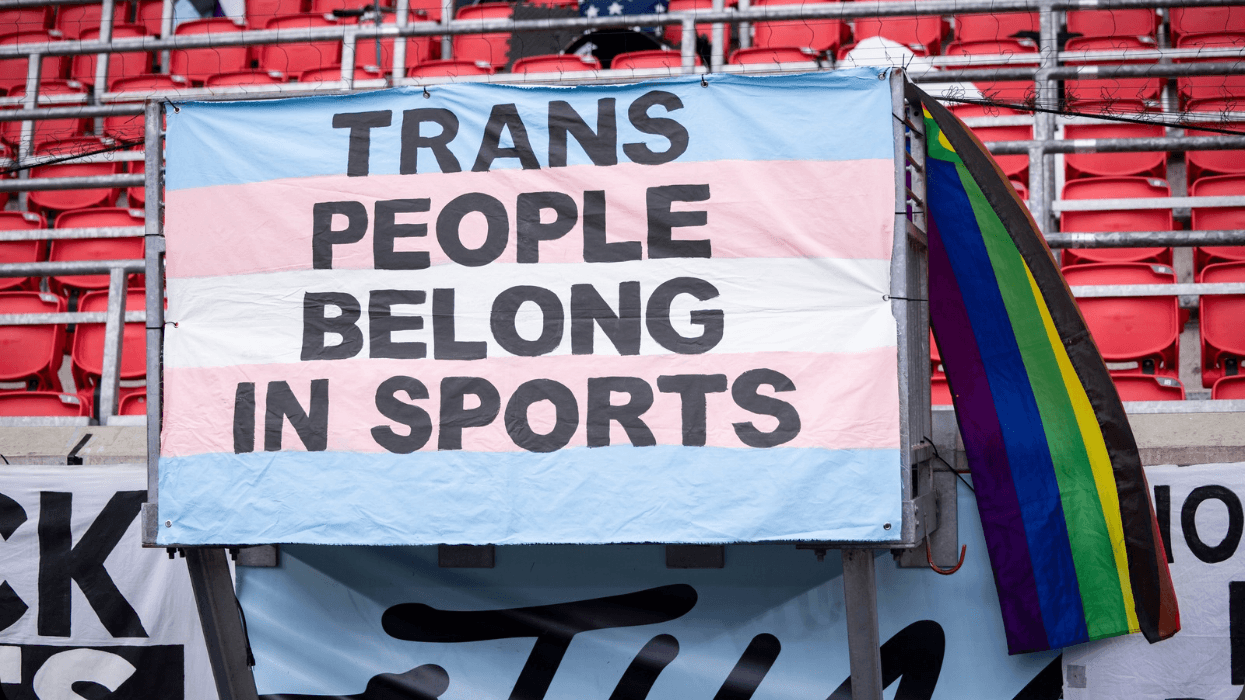
Fifty-three percent, 382,800, live in one of the 29 states with laws restricting their participation in school sports. Georgia, Kentucky, Montana, Nebraska, New Hampshire, and Utah enacted such laws in 2025, with new bans in Georgia, Kentucky, Nebraska, and New Hampshire and expansion of existing restrictions in the others..
Forty-eight percent, 348,400, live in one of the 25 states with laws that prohibit trans youth from using bathrooms and other facilities that align with their gender identity in schools or government buildings or that define “sex” in a way that could deny them access to these spaces. Arkansas, Georgia, Idaho, Mississippi, Montana, North Dakota, South Carolina, South Dakota, Texas, Utah, West Virginia, and Wyoming enacted or expanded bathroom laws in 2025. Alabama, Indiana, Iowa, North Carolina, Ohio, Texas, West Virginia, and Wyoming adopted restrictive sex definition laws or policies last year.
Thirty-three percent, 262,700, live in one of the 16 states with laws that restrict gender-affirming pronoun use in schools or facilities and/or require parental notification when a change to pronouns is requested. Montana, North Dakota, Tennessee, Texas, and West Virginia enacted or expanded laws restricting pronoun use last year. Ohio and West Virginia enacted new parental notification laws in 2025.
Related: Transgender and nonbinary youth whose pronouns are respected attempt suicide less: report
California, Colorado, Connecticut, Delaware, New York, Vermont, and Washington State enacted shield laws and policies in 2025. Connecticut and Delaware adopted new laws and policies, while the others expanded existing protections.
The study also notes Donald Trump’s many anti-trans executive orders, such as those denying the existence of trans, nonbinary, and intersex people; using various means to further restrict young people’s access to gender-affirming care; and threatening states and schools that allow trans student athletes to participate in sports under their gender identity.
The institute pointed out the negative aspects of anti-trans laws. “Research consistently shows that supportive environments for transgender youth are associated with better mental health outcomes,” said coauthor Elana Redfield, federal policy director at the Williams Institute. “Unfortunately, many policies at the state and federal level are making it harder for transgender youth to access these supports, and even to participate in basic aspects of public life.”
An executive summary of the study is here and the full study here.