'%3E%3Cpath d='M16.3574 35.6519H12.9537L15.0491 18.8873L16.3574 35.6519ZM30.4229 54.0093L22.309 0.994385H7.91795L0 54.0093H10.6634L11.5802 46.3855H17.4014L17.9914 54.0093H30.4229Z' fill='%23971B20'/%3E%3Cpath d='M48.2073 41.8813C48.2073 43.4049 47.4892 44.0011 46.1144 44.0011H43.7595V11.0687H46.1144C47.4892 11.0687 48.2073 11.6636 48.2073 13.1885V41.8813ZM59.5273 43.6695V11.3326C59.5273 3.71323 53.5729 0.994385 47.8157 0.994385H31.7213V54.0093H47.8157C53.5729 54.0093 59.5273 51.29 59.5273 43.6695Z' fill='%23971B20'/%3E%3Cpath d='M90.183 0.994385H78.6039L75.0711 30.6157L71.9955 0.994385H59.4346L69.2474 54.0093H80.373L90.183 0.994385Z' fill='%23971B20'/%3E%3Cpath d='M107.063 42.3448C107.063 43.7359 105.951 44.5974 104.643 44.5974C103.269 44.5974 102.157 43.7359 102.157 42.3448V12.658C102.157 11.2676 103.269 10.4058 104.643 10.4058C105.951 10.4058 107.063 11.2676 107.063 12.658V42.3448ZM119.233 43.2723V11.7312C119.233 6.36384 112.952 -3.8147e-06 104.643 -3.8147e-06C96.2667 -3.8147e-06 89.9867 6.36384 89.9867 11.7312V43.2723C89.9867 48.6393 96.2667 55 104.643 55C112.952 55 119.233 48.6393 119.233 43.2723Z' fill='%23971B20'/%3E%3Cpath d='M150.976 43.9349V33.7309H139.069V42.3448C139.069 43.7359 137.957 44.5974 136.582 44.5974C135.076 44.5974 133.964 43.7359 133.964 42.3448V12.658C133.964 11.2676 135.076 10.4058 136.582 10.4058C137.957 10.4058 139.069 11.2676 139.069 12.658V21.2723H150.976V11.0687C150.976 5.70107 145.283 -3.8147e-06 136.582 -3.8147e-06C127.75 -3.8147e-06 121.796 5.70107 121.796 11.0687V43.9349C121.796 49.3022 127.75 55 136.582 55C145.283 55 150.976 49.3022 150.976 43.9349Z' fill='%23971B20'/%3E%3Cpath d='M167.478 35.6519H164.076L166.17 18.8873L167.478 35.6519ZM181.544 54.0093L173.432 0.994385H159.037L151.123 54.0093H161.785L162.704 46.3855H168.523L169.114 54.0093H181.544Z' fill='%23971B20'/%3E%3Cpath d='M205.412 10.4058V0.994385H177.081V10.4058H185.392V54.0093H197.428V10.4058H205.412Z' fill='%23971B20'/%3E%3Cpath d='M230.002 54.0093V43.9349H218.914V31.8746H226.635V21.8028H218.914V10.4058H230.002V0.994385H206.875V54.0093H230.002Z' fill='%23971B20'/%3E%3C/g%3E%3Cdefs%3E%3CclipPath id='clip0_260_7080'%3E%3Crect width='230' height='55' fill='white'/%3E%3C/clipPath%3E%3C/defs%3E%3C/svg%3E)
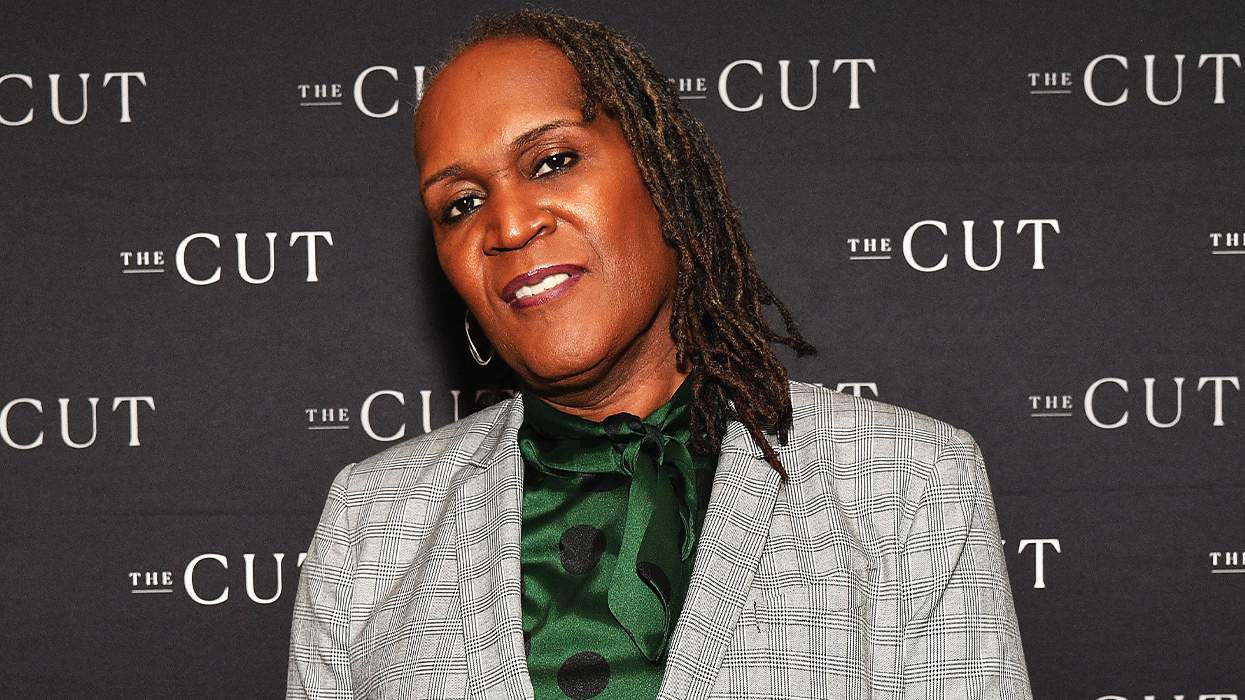

As a member of the Minneapolis City Council, Andrea Jenkins has made history in a historic time.
“If I had to use one word about my term in office, I would say ‘tumultuous,’” says Jenkins, the first out transgender Black woman elected to public office in the U.S.
Jenkins, 64, retired from the City Council in January after eight years, a period that saw the first and second Trump administrations, the murder of Minneapolis resident George Floyd by a police officer, a global pandemic, and a brutal crackdown by the federal government on immigrants in the city and the rest of the state. Jenkins represented Ward 8, where Floyd and, more recently, Renee Nicole Good were killed, the latter by federal immigration agents in early January.
But her time on the council has seen many accomplishments as well.
“In 2020, I declared racism a public health crisis, and my colleagues unanimously supported that,” says Jenkins, who was vice president of the council from 2018 to 2021 and president from 2022 to 2023.
Among the other accomplishments, in 2019, she and another council member, Black trans man Phillipe Cunningham, successfully pushed for an ordinance barring licensed professionals from performing so-called conversion therapy on minors. “That was a really big deal,” Jenkins says, and led to a statewide ban.
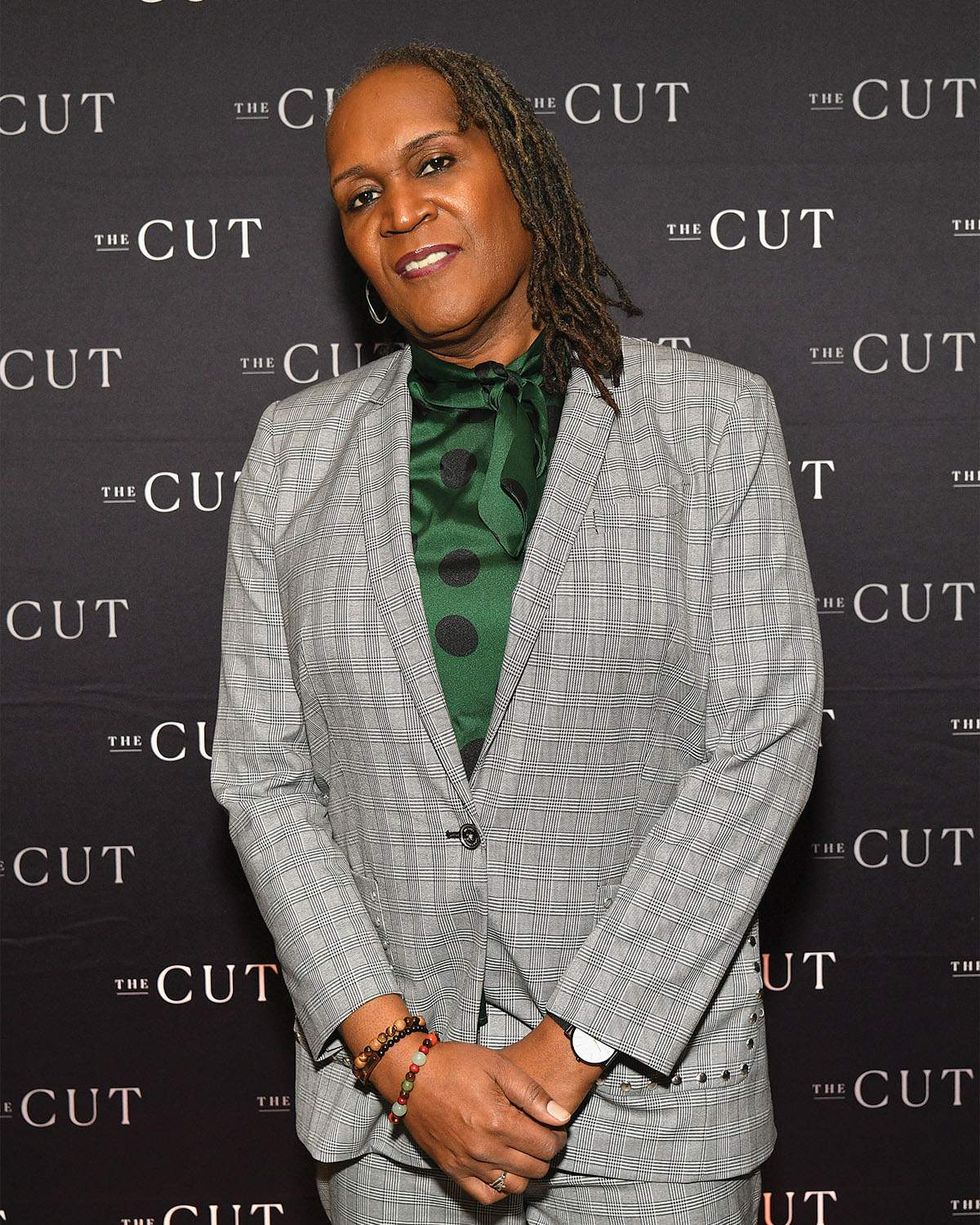 Former Minneapolis City Council Member Andrea Jenkins attends The Cut’s How I Get It Done event in March 2019Dia Dipasupil/Getty Images for New York Magazine
The city has reformed its public safety response, with a behavioral crisis team that goes out before or with police if someone is having a mental health crisis, and the creation of an office of neighborhood safety that seeks to de-escalate dangerous situations to delay or alleviate the need for police involvement.
The council has created a Racial Equity, Inclusion, and Belonging Department as well as a truth and reconciliation work group to fight racial injustice, declared Minneapolis a welcoming city for trans people, funded two positions dealing with LGBTQ+ issues, and crafted Minneapolis 2040, a plan aimed at fostering affordable housing and living-wage jobs.
What’s more, the arts haven’t been neglected. The council created a poet laureate program for the city, and it’s now two poet laureates in.
“That might be, as a poet, my absolute proudest moment,” says Jenkins, who is also a historian, prose author, and performance artist and has been curator of the Transgender Oral History Project at the University of Minnesota’s Jean-Nickolaus Tretter Collection in Gay, Lesbian, Bisexual and Transgender Studies.
Finally, just before the end of her tenure, the council reached a consensus on the development of George Floyd Square, where there will be a memorial to him and other victims of state violence.
Jenkins, a Chicago native, moved to Minneapolis in 1979 for college and then was a vocational counselor there while furthering her education. In 2001, she worked on Robert Lilligren’s campaign for City Council, then joined his staff when he was elected. She later was a staffer for council member Elizabeth Glidden; both Lilligren and Glidden were from Ward 8. Jenkins decided to run for the Ward 8 seat in 2017, as Glidden was not seeking reelection.
She says that overall, she’s glad she ran and served. “I’ve had a whole life of community service,” she says. She was able to raise awareness around trans issues, and she believes she inspired other trans and gender-nonconforming people to enter politics.
Now she’s focusing on her family and her writing, including a memoir about her time on the council, and she’s working on an epilogue about the immigration crackdown. But she hasn’t left politics behind entirely. She’s on the boards of the Human Rights Campaign and Advocates for Trans Equality, and she’ll do some consulting. “I’m not leaving public life, I’m just leaving the Minneapolis City Council,” she says.
The times remain challenging, but Jenkins thinks better times are ahead. “If you’re a politician, I think you have to be hopeful and optimistic,” she says. “I’ll use the cliché that the arc of history is long, but it bends toward justice.”
Lastly, she says, “Thank you to Black and brown, immigrant, formerly incarcerated, trans and gender-nonconforming people for being on the front lines of almost every social justice movement in this country. … We need your voice in every single space, in all walks of life, so please run for office, train yourselves to be community leaders. Being a person of trans experience is a unique experience that lets you know that change is possible.”
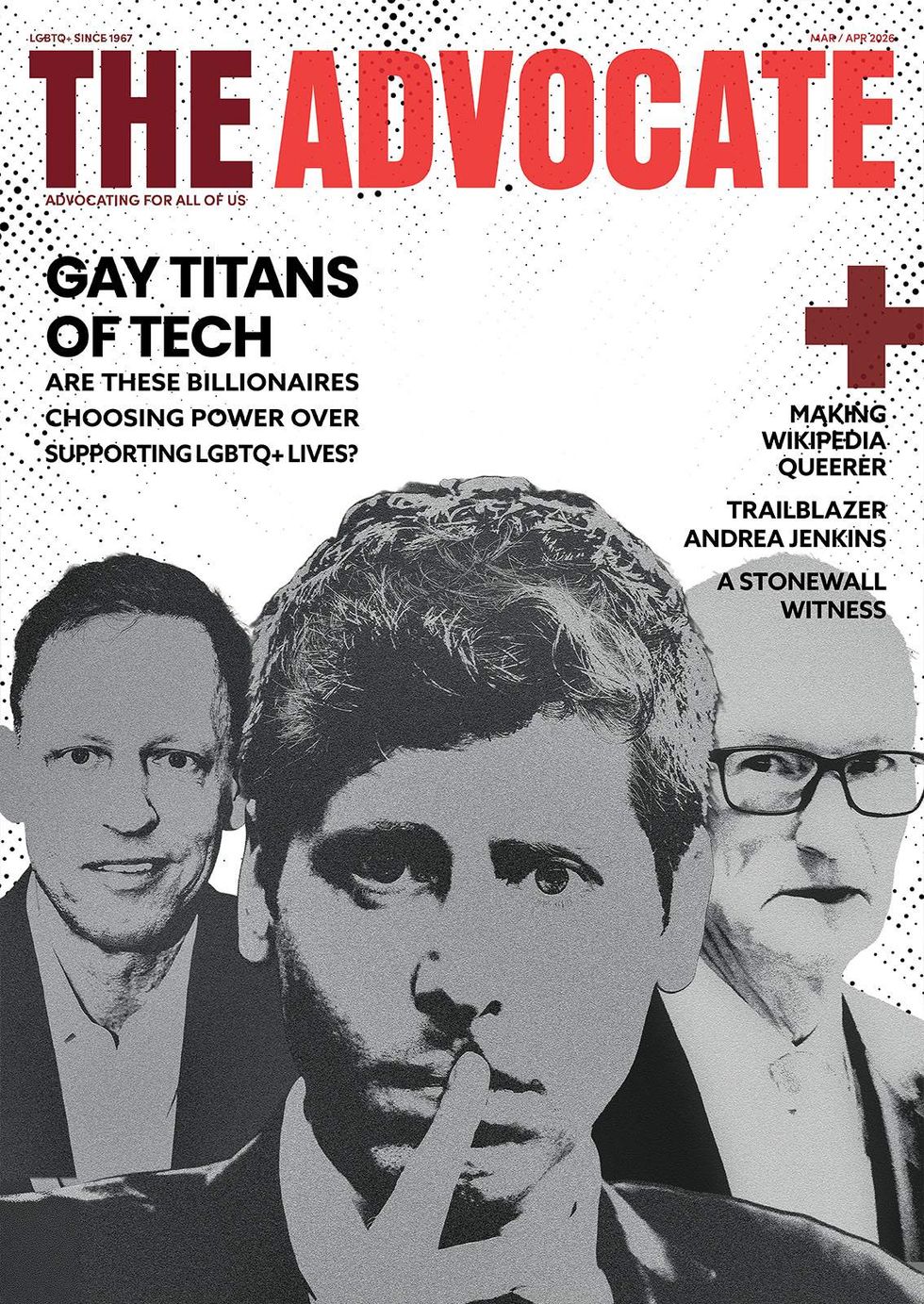
This article is part of The Advocate’s Mar-Apr 2026 print issue, which hits newsstands March 24. Support queer media and subscribe — or download the issue through Apple News+, Zinio, Nook, or PressReader.