'%3E%3Cpath d='M16.3574 35.6519H12.9537L15.0491 18.8873L16.3574 35.6519ZM30.4229 54.0093L22.309 0.994385H7.91795L0 54.0093H10.6634L11.5802 46.3855H17.4014L17.9914 54.0093H30.4229Z' fill='%23971B20'/%3E%3Cpath d='M48.2073 41.8813C48.2073 43.4049 47.4892 44.0011 46.1144 44.0011H43.7595V11.0687H46.1144C47.4892 11.0687 48.2073 11.6636 48.2073 13.1885V41.8813ZM59.5273 43.6695V11.3326C59.5273 3.71323 53.5729 0.994385 47.8157 0.994385H31.7213V54.0093H47.8157C53.5729 54.0093 59.5273 51.29 59.5273 43.6695Z' fill='%23971B20'/%3E%3Cpath d='M90.183 0.994385H78.6039L75.0711 30.6157L71.9955 0.994385H59.4346L69.2474 54.0093H80.373L90.183 0.994385Z' fill='%23971B20'/%3E%3Cpath d='M107.063 42.3448C107.063 43.7359 105.951 44.5974 104.643 44.5974C103.269 44.5974 102.157 43.7359 102.157 42.3448V12.658C102.157 11.2676 103.269 10.4058 104.643 10.4058C105.951 10.4058 107.063 11.2676 107.063 12.658V42.3448ZM119.233 43.2723V11.7312C119.233 6.36384 112.952 -3.8147e-06 104.643 -3.8147e-06C96.2667 -3.8147e-06 89.9867 6.36384 89.9867 11.7312V43.2723C89.9867 48.6393 96.2667 55 104.643 55C112.952 55 119.233 48.6393 119.233 43.2723Z' fill='%23971B20'/%3E%3Cpath d='M150.976 43.9349V33.7309H139.069V42.3448C139.069 43.7359 137.957 44.5974 136.582 44.5974C135.076 44.5974 133.964 43.7359 133.964 42.3448V12.658C133.964 11.2676 135.076 10.4058 136.582 10.4058C137.957 10.4058 139.069 11.2676 139.069 12.658V21.2723H150.976V11.0687C150.976 5.70107 145.283 -3.8147e-06 136.582 -3.8147e-06C127.75 -3.8147e-06 121.796 5.70107 121.796 11.0687V43.9349C121.796 49.3022 127.75 55 136.582 55C145.283 55 150.976 49.3022 150.976 43.9349Z' fill='%23971B20'/%3E%3Cpath d='M167.478 35.6519H164.076L166.17 18.8873L167.478 35.6519ZM181.544 54.0093L173.432 0.994385H159.037L151.123 54.0093H161.785L162.704 46.3855H168.523L169.114 54.0093H181.544Z' fill='%23971B20'/%3E%3Cpath d='M205.412 10.4058V0.994385H177.081V10.4058H185.392V54.0093H197.428V10.4058H205.412Z' fill='%23971B20'/%3E%3Cpath d='M230.002 54.0093V43.9349H218.914V31.8746H226.635V21.8028H218.914V10.4058H230.002V0.994385H206.875V54.0093H230.002Z' fill='%23971B20'/%3E%3C/g%3E%3Cdefs%3E%3CclipPath id='clip0_260_7080'%3E%3Crect width='230' height='55' fill='white'/%3E%3C/clipPath%3E%3C/defs%3E%3C/svg%3E)
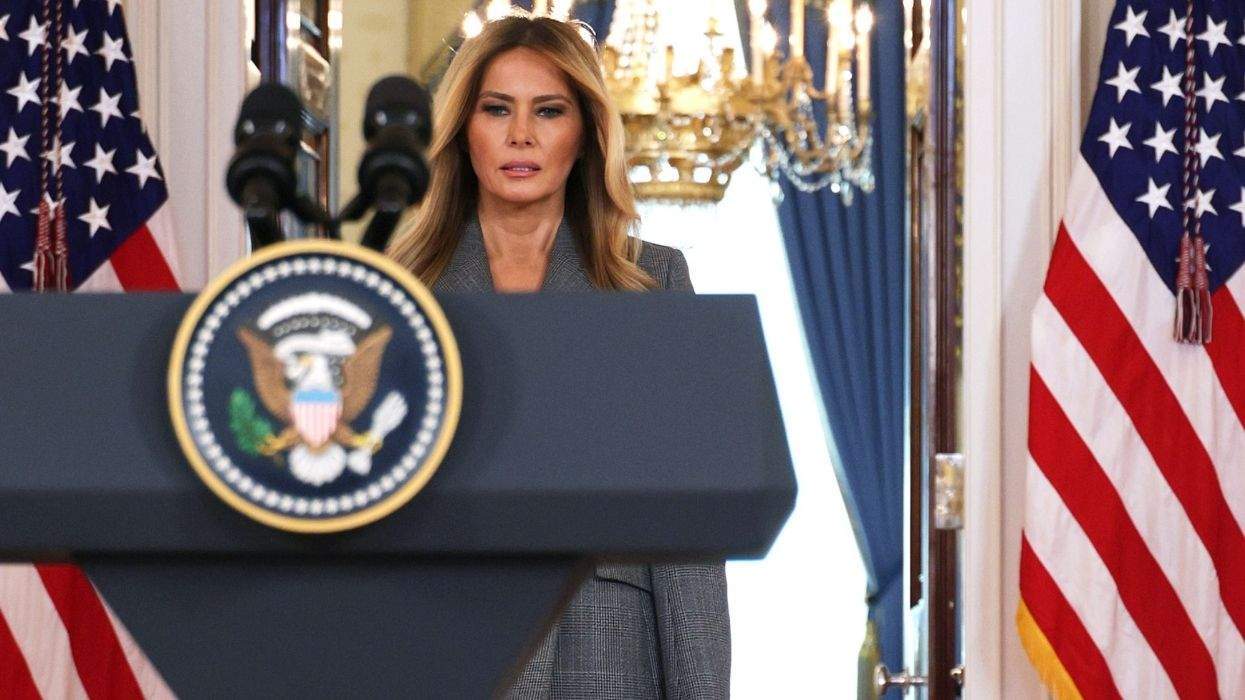
In a rare and remarkable appearance at the White House on Thursday afternoon, first lady Melania Trump stepped into one of the most politically volatile scandals in modern American life.
The White House billed the event as a press conference, but Trump took no questions. Instead, she delivered a prepared statement that ran for nearly six minutes, denying any connection to convicted sex trafficker Jeffrey Epstein before leaving the lectern without engaging reporters.
“The lies linking me with the disgraceful Jeffrey Epstein need to end today,” she said, rejecting any personal relationship with Epstein and insisting that rumors tying her to him are false. She said she had never been Epstein’s friend, never flown on his plane, never visited his private island, and never had any relationship with either Epstein or Ghislaine Maxwell. She acknowledged only that she and President Donald Trump occasionally attended some of the same parties in New York and Palm Beach, describing those encounters as incidental overlap in elite social circles.
Related: Clinton depositions spur Democrats’ demand for Donald Trump’s Epstein files testimony
In one of the stranger turns of the appearance, Trump also used the event to plug her memoir, citing the book as documentation of how she first met Donald Trump in 1998 and emphasizing that Epstein did not introduce them. “This initial encounter with my husband is documented in detail in my book, Melania,” she said. The aside gave the tightly controlled appearance a familiar Trump-family texture, part denial, part political messaging, part self-promotion.
The moment was striking not simply because first ladies rarely call solo White House press events on politically explosive matters, but because Melania Trump inserted herself into a controversy that has already deeply rattled her husband’s administration. CNN reported that some West Wing aides were caught off guard by her decision to appear, and her remarks revived a scandal the White House has repeatedly tried to move past, only to see public scrutiny intensify with every new disclosure.
That pattern has defined this administration’s approach to the Epstein problem. In January, the Justice Department released more than 3 million pages of Epstein-related records under the Epstein Files Transparency Act, reopening scrutiny of the wealthy and politically connected figures in Epstein’s orbit, including Donald Trump, whose past social relationship with Epstein has long been part of the public record. In February, congressional pressure intensified, including calls from Rep. Robert Garcia for Trump to testify, as lawmakers demanded fuller transparency about the files.
The fallout has already claimed a major political casualty. Attorney General Pam Bondi was fired last week after Trump grew increasingly frustrated with her handling of the Epstein disclosures, amid bipartisan criticism over redactions, missing material, and allegations that the Justice Department had failed to fully comply with federal disclosure law. Bondi’s ouster underscored how deeply the Epstein files have roiled this administration: every attempt to contain the scandal has instead intensified suspicion and renewed public demand for answers.
Related: Getting personal with Robert Garcia, who’s been leading the Democrats' release of the Epstein files
Related: Renowned transgender medicine surgeon defends appearing in Epstein files disclosures
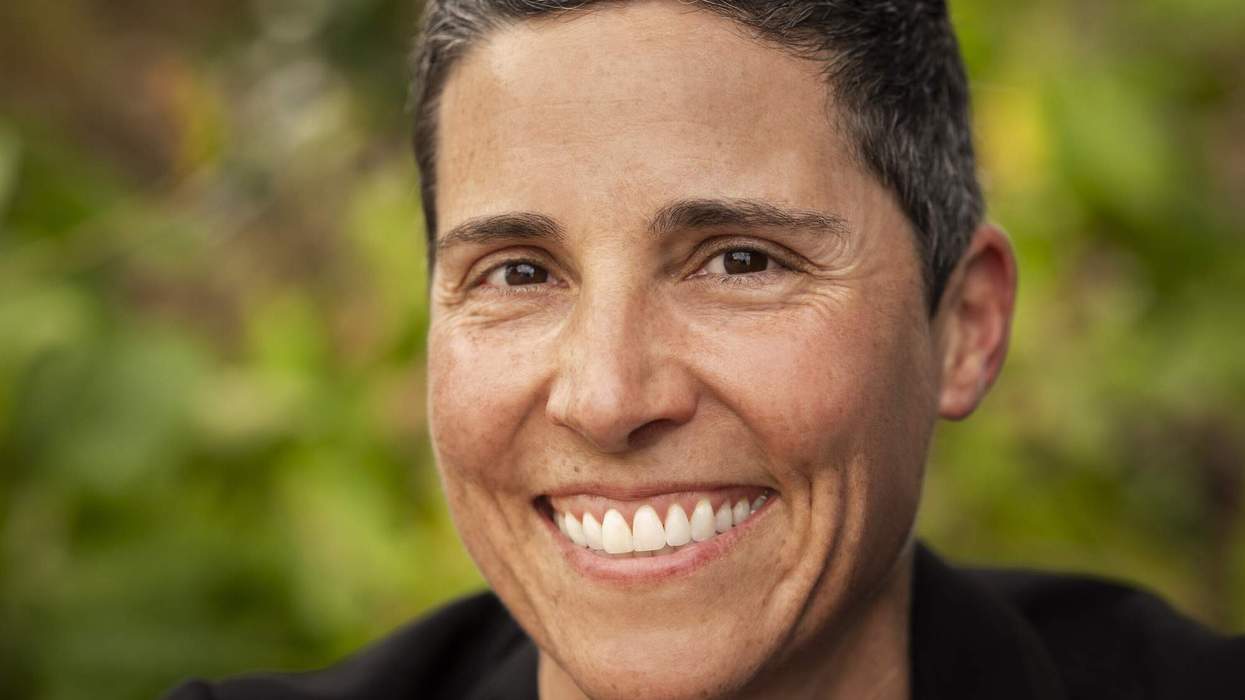
The Epstein files continue to widen beyond politics, into the professional networks that intersected with Epstein’s world. Dr. Jess Ting, the prominent New York gender-affirming surgeon at the Mount Sinai Center for Transgender Medicine and Surgery, told The Advocate in February that his appearance in the newly released files stemmed from providing medical care to adult patients referred through Epstein-linked circles, not from any participation in criminal conduct.
The Advocate’s review of the records found that Ting’s name surfaced in appointment logs and travel-related documents connected to Epstein associates, including evidence that he had traveled to Little St. James, Epstein’s private island, and that he consulted on medical treatment for one of Epstein’s adult companions. Ting told The Advocate he had “no knowledge of illegal or potentially illegal activities,” and said he understood the referrals at the time to be routine private medical arrangements.
In the closing minutes of her remarks, Melania Trump called on Congress to hold public hearings for Epstein survivors, urging lawmakers to give victims the chance to testify under oath and place their accounts permanently in the congressional record.
Not all survivors welcomed the first lady’s proposal. Danielle Bensky, an Epstein survivor, criticized Melania Trump’s call for public congressional testimony, saying survivors are being pulled into a political spectacle rather than receiving the accountability they have long demanded. “I heard blame be placed on survivors in this,” Bensky said in televised remarks on MS NOW Friday. “It feels like the burden has now been placed on survivors to come forward and speak in front of Congress when, in reality, we’ve been asking for proper investigations. We keep being used as political pawns, being pushed from one side to the next, and it just feels like yet another way that we’re being pushed into this political arena that we don’t belong in.”