'%3E%3Cpath d='M16.3574 35.6519H12.9537L15.0491 18.8873L16.3574 35.6519ZM30.4229 54.0093L22.309 0.994385H7.91795L0 54.0093H10.6634L11.5802 46.3855H17.4014L17.9914 54.0093H30.4229Z' fill='%23971B20'/%3E%3Cpath d='M48.2073 41.8813C48.2073 43.4049 47.4892 44.0011 46.1144 44.0011H43.7595V11.0687H46.1144C47.4892 11.0687 48.2073 11.6636 48.2073 13.1885V41.8813ZM59.5273 43.6695V11.3326C59.5273 3.71323 53.5729 0.994385 47.8157 0.994385H31.7213V54.0093H47.8157C53.5729 54.0093 59.5273 51.29 59.5273 43.6695Z' fill='%23971B20'/%3E%3Cpath d='M90.183 0.994385H78.6039L75.0711 30.6157L71.9955 0.994385H59.4346L69.2474 54.0093H80.373L90.183 0.994385Z' fill='%23971B20'/%3E%3Cpath d='M107.063 42.3448C107.063 43.7359 105.951 44.5974 104.643 44.5974C103.269 44.5974 102.157 43.7359 102.157 42.3448V12.658C102.157 11.2676 103.269 10.4058 104.643 10.4058C105.951 10.4058 107.063 11.2676 107.063 12.658V42.3448ZM119.233 43.2723V11.7312C119.233 6.36384 112.952 -3.8147e-06 104.643 -3.8147e-06C96.2667 -3.8147e-06 89.9867 6.36384 89.9867 11.7312V43.2723C89.9867 48.6393 96.2667 55 104.643 55C112.952 55 119.233 48.6393 119.233 43.2723Z' fill='%23971B20'/%3E%3Cpath d='M150.976 43.9349V33.7309H139.069V42.3448C139.069 43.7359 137.957 44.5974 136.582 44.5974C135.076 44.5974 133.964 43.7359 133.964 42.3448V12.658C133.964 11.2676 135.076 10.4058 136.582 10.4058C137.957 10.4058 139.069 11.2676 139.069 12.658V21.2723H150.976V11.0687C150.976 5.70107 145.283 -3.8147e-06 136.582 -3.8147e-06C127.75 -3.8147e-06 121.796 5.70107 121.796 11.0687V43.9349C121.796 49.3022 127.75 55 136.582 55C145.283 55 150.976 49.3022 150.976 43.9349Z' fill='%23971B20'/%3E%3Cpath d='M167.478 35.6519H164.076L166.17 18.8873L167.478 35.6519ZM181.544 54.0093L173.432 0.994385H159.037L151.123 54.0093H161.785L162.704 46.3855H168.523L169.114 54.0093H181.544Z' fill='%23971B20'/%3E%3Cpath d='M205.412 10.4058V0.994385H177.081V10.4058H185.392V54.0093H197.428V10.4058H205.412Z' fill='%23971B20'/%3E%3Cpath d='M230.002 54.0093V43.9349H218.914V31.8746H226.635V21.8028H218.914V10.4058H230.002V0.994385H206.875V54.0093H230.002Z' fill='%23971B20'/%3E%3C/g%3E%3Cdefs%3E%3CclipPath id='clip0_260_7080'%3E%3Crect width='230' height='55' fill='white'/%3E%3C/clipPath%3E%3C/defs%3E%3C/svg%3E)
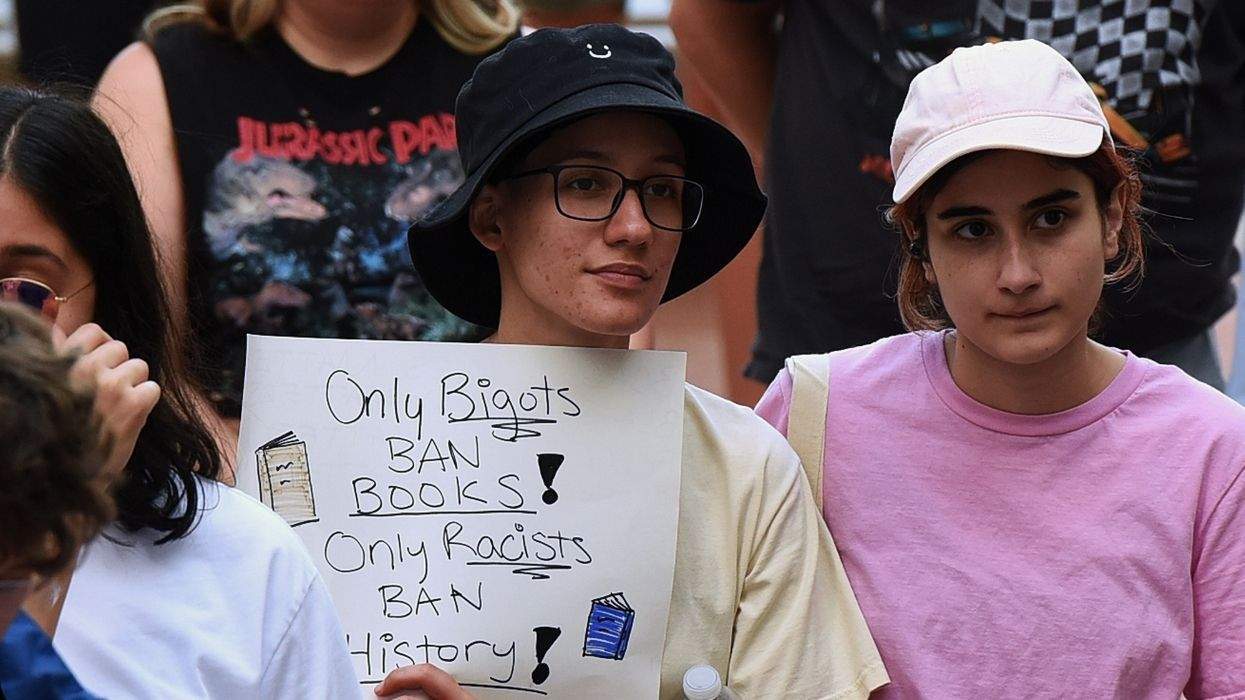

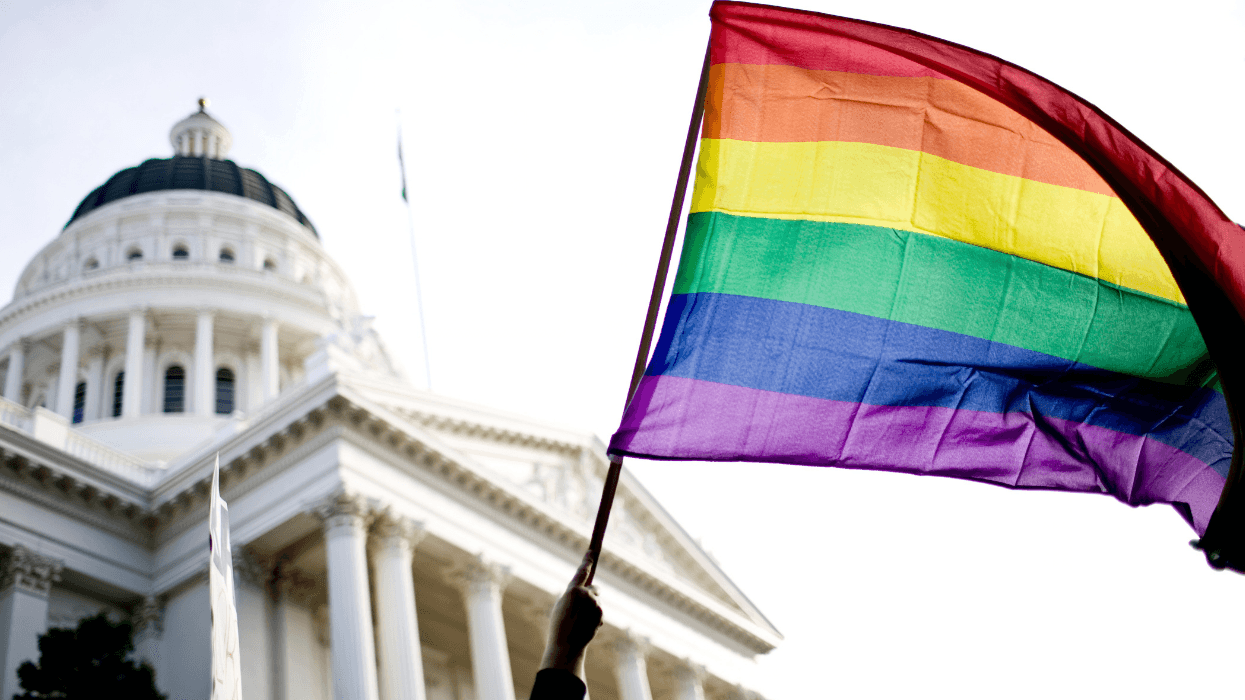
Thousands of students across the United States are participating in the 30th annual Day of Silence on Friday, marking three decades of one of the country’s most enduring student-led LGBTQ+ protests as new political attacks target queer and transgender youth in schools.
Keep up with the latest in LGBTQ+ news and politics. Sign up for The Advocate's email newsletter.
Students across the United States will once again fall silent, but this year, their quiet carries the weight of three decades of protest, resilience, and evolving activism.
The 30th annual Day of Silence, a student-led campaign organized by Glisten (formerly GLSEN), marks a milestone in the ongoing fight to support LGBTQ+ youth in schools.
What began in 1996 as a small, grassroots action at the University of Virginia has grown into a nationwide movement observed in K-12 schools, colleges, and even workplaces. Participants take a vow of silence to symbolize the silencing effects of bullying, harassment, and discrimination that LGBTQ+ students continue to face.
For cofounder Maria Pulzetti, the scale of the event still feels almost unimaginable.
“As an 18-year-old who sat in her dorm room and drew rainbows on our Day of Silence stickers that first year, I could not have imagined our small, grassroots event spreading through the country and the world,” she recalled. “What has been consistent over thirty years is the leadership and participation of courageous young people.”
Related: Maryland lawmakers advance broad school protections, including for trans students
That consistency, including student leadership in the face of adversity, has helped sustain the Day of Silence through shifting cultural and political landscapes. But the 30th anniversary arrives at a particularly charged moment. Across the country, debates over LGBTQ+ rights in schools have intensified, with a wave of legislation targeting transgender and nonbinary youth.
Pulzetti sees a striking duality in the present moment. “So much has changed for the better since the first Day of Silence at UVA in 1996,” she said, pointing to increased visibility and institutional recognition. “But today’s young people face a new set of challenges, many of which are focused on erasing, silencing, and dehumanizing transgender and non-binary young people.”
This year’s theme, “Rising Up,” reflects that urgency. While the core action remains rooted in silence, organizers are encouraging participants, educators, and allies to move beyond symbolism into active advocacy. Supporters are taking to social media, using campaign tools like profile frames and pledges to declare how they are ending the silence.
Jesse Gilliam, who co-founded the Day of Silence alongside Pulzetti, sees this evolution as both natural and necessary.
“I have always viewed the Day of Silence as a tool to spread a message of supporting LGBTQ+ youth,” Gilliam said. “In some communities, the tool is very effective; in others, students may find another tool more effective. I encourage advocates to use every tool in their toolbox.”
That flexibility has helped the movement endure, even as it faces organized opposition. Groups such as the Thomas More Society have challenged school participation in the event, arguing that parents should have the right to opt their children out. These legal and cultural clashes underscore the continued stakes of the Day of Silence, even after 30 years.
Yet for many participants, the power of the day remains deeply personal and profoundly impactful.
“Refusing to speak is a powerful act of nonviolent resistance,” Pulzetti explained. “Intentional silence can be more powerful than words.”
Related: Kids can be subjected to harmful 'conversion therapy,’ U.S. Supreme Court rules
She points to the original palm cards distributed during the event, which asked a simple but enduring question, “Think about the voices you are not hearing today. What can you do to end the silence?”
Gilliam agreed, noting that the action is less about silence itself than about focus. “The Day of Silence has never been about not speaking,” he said. “It’s been about refusing to communicate about anything other than the importance of supporting LGBTQ+ youth voices.”
For first-time participants, many of them teenagers navigating their own identities and school environments, the day can be both daunting and empowering. Pulzetti acknowledged the vulnerability involved.
“It takes courage to put oneself out there in such a visible and vulnerable way,” she said. “You’re not alone, and you are joining a whole generation of activists.”
Gilliam echoes that message of connection and impact. “Every step you take today will make a difference in someone’s life, whether you know it or not,” he noted. “You’ll do the same for someone today.”
As the Day of Silence enters its fourth decade, its message remains both simple and urgent - LGBTQ+ youth deserve to be seen, heard, and supported. Whether through silence or speech, the call to action continues, and after 30 years, it’s louder than ever.